

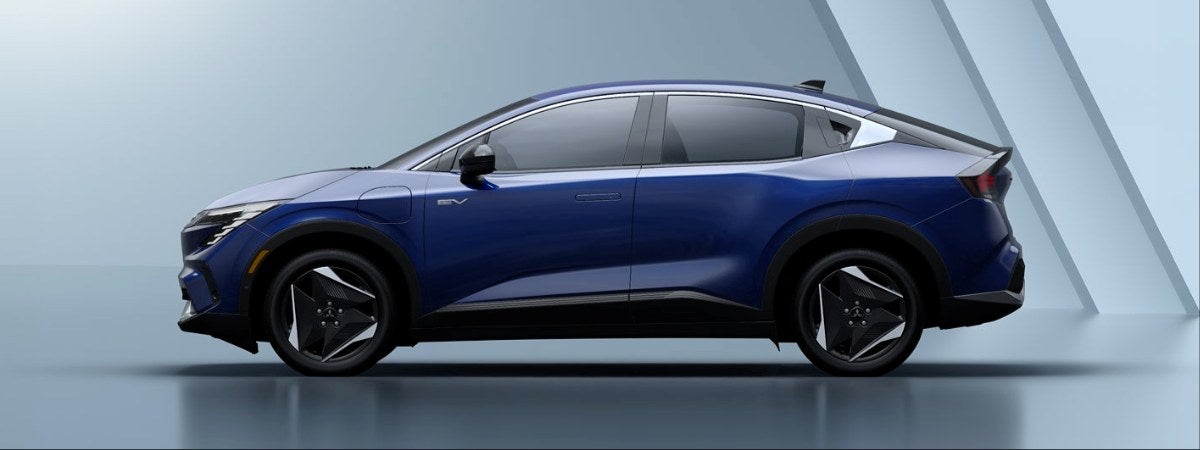

Peruzzi Mitsubishi - How Does 2027 Mitsubishi Eclipse Sportback EV Charging Fit Daily Driving near Trenton, NJ?
Charging is a major part of the EV shopping journey, and the 2027 Mitsubishi Eclipse Sportback EV gives drivers near Trenton, NJ a practical setup designed around flexibility. For anyone moving from a gas-powered SUV into a fully electric vehicle, the charging routine can feel like the biggest change. The good news is that Mitsubishi has focused on giving this EV multiple ways to recharge, including Level 1, Level 2, and Level 3 charging through the Tesla® Supercharger network.
That matters for local drivers because daily travel around Trenton, Route 1, I-295, the Pennsylvania Turnpike, and surrounding suburbs often includes a mix of short errands and longer regional trips. A flexible charging setup helps make the Eclipse Sportback EV easier to own because it does not rely on one single charging method. Instead, the vehicle supports slower convenience charging, faster home or public charging, and DC fast charging for longer travel days.
What Charging Levels Mean for Daily Use
Level 1 charging uses a standard 120-volt household outlet. It is the slowest option, but it can still be useful for light daily driving, backup charging, or topping off when a faster charger is not available. For drivers with short commutes or access to overnight charging, Level 1 may provide enough energy for occasional use, especially if the vehicle is plugged in consistently.
Level 2 charging is often the most important setup for EV ownership. This uses 240-volt power, which can be installed at many homes or found at public charging locations, workplaces, shopping centers, and parking garages. The referenced vehicle details list a 7.2-kilowatt onboard charger, with a 20 to 80 percent charge estimated at roughly 6.5 hours. For many shoppers, that makes Level 2 charging the preferred daily routine because the vehicle can recharge while parked for several hours.
Level 3 charging, also called DC fast charging, is built for speed during longer drives. Mitsubishi notes access through the Tesla® Supercharger network, which is the largest fast-charging network in North America. The provided content also describes DC fast charging at up to around 150 kilowatts under ideal conditions, with a 10 to 80 percent charge in about 35 minutes. That type of charging is especially helpful when travel extends beyond a normal daily loop.
Why the Split Charge-Port Setup Is Helpful
The Eclipse Sportback EV uses a split charge-port strategy described in the provided vehicle information. A NACS port is used for DC fast charging, while a J-1772 port is used for AC charging. This setup gives the vehicle access to different charging types without making the driver rely on one port for every situation.
For shoppers, the benefit is simple: the vehicle is designed to work with common charging environments. At home or around town, Level 2 AC charging can support everyday use. On longer trips, DC fast charging can help reduce charging stops. A CCS-to-NACS adapter is also referenced in the provided details, which adds another layer of compatibility when using certain public chargers.
The charging experience is further supported by battery preconditioning. According to the referenced vehicle information, entering a DC fast charger into the navigation system as a destination can automatically precondition the battery pack for faster charging. Drivers can also tell the vehicle to precondition if navigation is not being used. This is a helpful feature because battery temperature can influence charging speed.
How to Build a Charging Routine
A strong EV ownership plan starts with understanding how and where the vehicle will be charged most often. The Eclipse Sportback EV's projected 282-mile range gives many drivers room to manage several days of typical local travel between charging sessions, depending on mileage and driving habits. Still, the easiest EV experience usually comes from having a predictable routine.
- Home charging: If a Level 2 charger can be installed where you park, charging overnight or during downtime can become the main routine.
- Workplace charging: If your workplace offers EV charging, that can reduce the need for home installation or public charging stops.
- Public Level 2 charging: Shopping centers, garages, municipal lots, and community destinations may offer useful charging while parked.
- DC fast charging: Use faster charging for longer travel days or when a quicker battery boost is needed.
After identifying charging options, think about weekly driving. A driver who covers 30 to 40 miles per day may need a very different routine than a driver who regularly travels between Trenton, Philadelphia, Princeton, and Bucks County. Range planning is not only about the maximum number. It is about how easily the vehicle fits your schedule.
What Makes Charging Easier in Real Life
The Eclipse Sportback EV includes details that can make charging feel more manageable. The standard portable charging cord with connectors for 120-volt and 240-volt outlets, as described in the provided content, gives drivers added flexibility. While a dedicated Level 2 home charger may be the most convenient long-term option, a portable cord can be helpful for varied charging situations.
The vehicle's dual 14.3-inch displays also support the EV experience by keeping information visible and easy to access. Navigation, charging-related information, and smartphone connectivity through Android Auto™ and Apple CarPlay help drivers plan routes and stay connected. For EV shoppers, good information access reduces guesswork and makes each charging stop feel more intentional.
Another helpful detail is the use of a heat pump to warm or cool the cabin, battery pack, and drive motor. This system is designed to improve efficiency compared with relying only on resistance heating. Since cabin comfort and battery temperature can affect EV energy use, a heat pump is a meaningful part of the overall ownership experience.
Questions to Ask Before Choosing an EV
Before selecting any electric SUV, shoppers should ask practical questions about charging access. The right answers depend on your home, commute, parking situation, and travel habits. The Eclipse Sportback EV gives shoppers multiple charging paths, but planning ahead will make ownership smoother.
- Where will I charge most often: Home, work, public stations, or a combination of locations can shape your routine.
- Can I install Level 2 charging: A 240-volt home setup can make daily EV ownership significantly easier.
- How many miles do I drive weekly: Compare your normal mileage with the projected 282-mile range.
- Do I take longer regional trips: DC fast charging access is especially useful for road trips or unpredictable schedules.
- Do I understand charging speed differences: Level 1, Level 2, and DC fast charging serve different purposes.
These questions help shift the EV decision from abstract numbers to real daily use. A shopper may find that the Eclipse Sportback EV needs charging only a few times per week. Another shopper may prefer nightly top-offs. Both routines can work when the vehicle and charging access match the driver's lifestyle.
Frequently Asked Questions:
Can the 2027 Mitsubishi Eclipse Sportback EV use Tesla® Supercharger locations?
Yes. Mitsubishi states that the Eclipse Sportback EV supports Level 3 charging through the Tesla® Supercharger network. The referenced content describes a NACS port for DC fast charging, helping expand fast-charging access for longer trips and quicker charging stops.
Is Level 2 charging enough for most daily driving?
For many drivers, yes. Level 2 charging is often the best everyday charging method because it is much faster than a standard household outlet and can recharge the vehicle while parked for several hours. The provided details list a 20 to 80 percent charge in roughly 6.5 hours with the 7.2-kilowatt onboard charger.
Does fast charging always take the same amount of time?
No. Charging time can vary based on battery temperature, charger output, battery state of charge, and conditions at the charging station. Battery preconditioning can help prepare the battery for faster DC charging when a fast charger is entered into the navigation system.
Should I install a home charger before buying an EV?
Many EV owners prefer having Level 2 charging at home, but the best choice depends on your parking setup, commute, and access to public or workplace charging. Reviewing your routine before purchase can help you choose the most convenient charging plan.
The 2027 Mitsubishi Eclipse Sportback EV charging setup is appealing because it gives drivers choices. Level 1 can work as a backup or light-use solution, Level 2 supports a convenient daily routine, and Level 3 fast charging helps with longer drives. For shoppers near Trenton, NJ comparing electric SUVs, that flexibility can make the transition to EV ownership feel more natural.
When combined with a projected 282-mile range, smart digital displays, battery preconditioning, a practical hatchback layout, and Mitsubishi's distinctive design, the Eclipse Sportback EV becomes more than an efficient vehicle. It becomes a thoughtful electric SUV built for real routines, real roads, and real questions from shoppers ready to move into electric driving with confidence.