


Peruzzi Mitsubishi - What a Mitsubishi Check Engine Light Diagnostic Means for Levittown, PA Drivers
Seeing a check engine light come on can interrupt an otherwise normal day, especially when your vehicle still seems to drive normally. For many Levittown, PA drivers, the first question is simple: does this need attention right away, or can it wait until the next maintenance visit? The best answer depends on the light behavior, vehicle symptoms, and what the onboard diagnostic system has detected. A steady light may point to an emissions, fuel, ignition, sensor, or airflow concern. A flashing light can signal a more serious condition, often related to misfiring, that should be checked promptly. Because modern Mitsubishi vehicles use connected electronic systems, a diagnostic scan is only the beginning. A code provides direction, but careful testing confirms the actual cause.
Why Local Driving Can Reveal Engine Performance Concerns
Driving around Levittown often includes a mix of residential roads, stop-and-go traffic, short trips, and faster stretches near Route 13, I-295, and nearby bridges into New Jersey. That variety can make engine issues show up in different ways. A vehicle may idle smoothly at home but hesitate when merging. Another may feel fine on a short trip but use more fuel than expected during a week of commuting. Local driving patterns also matter because repeated short trips may not always allow the engine to reach full operating rhythm for long periods. Over time, worn spark components, restricted airflow, aging filters, weak batteries, or sensor concerns can become more noticeable during acceleration, cold starts, or extended traffic delays.
What Happens During a Professional Diagnostic Visit
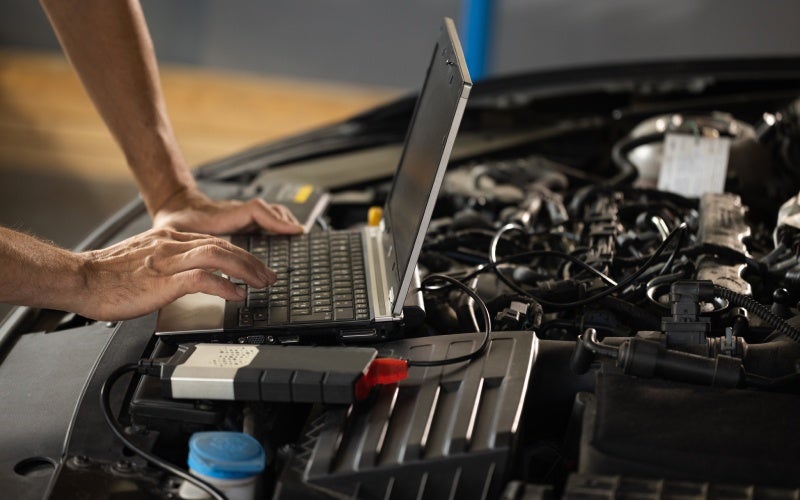
A proper diagnostic appointment is more detailed than plugging in a scanner and replacing the first part mentioned by a code. Our technicians start by gathering information about the warning light, recent driving behavior, mileage, maintenance history, and any symptoms such as rough idle, hard starting, vibration, reduced power, unusual smells, or lower fuel economy. Diagnostic equipment is then used to retrieve stored codes, pending codes, and freeze-frame data. That information can show what was happening when the fault was recorded, such as engine temperature, speed, load, or sensor readings. From there, our team can inspect related systems and determine whether the concern is electrical, mechanical, maintenance-related, or connected to another vehicle system.
- Steady warning light: Schedule service soon so the cause can be identified before additional symptoms appear.
- Flashing warning light: Reduce driving and arrange service quickly because the concern may be more serious.
- Rough idle or shaking: Ignition, fuel delivery, air intake, or engine management concerns may need testing.
- Slow starts: Battery, starter, alternator, or charging system performance may be part of the issue.
- Lower fuel economy: A sensor, air filter, tune-up item, or drivability concern may be affecting efficiency.
One reason professional diagnosis matters is that the same code can have more than one cause. For example, a sensor code might indicate a failed sensor, but it might also point to a wiring issue, an air leak, a fluid-related concern, or a condition affecting readings elsewhere in the system. Replacing parts without confirmation can waste time and create frustration. A trained service team looks at the whole picture: the code, the vehicle’s behavior, inspection results, and Mitsubishi service information. This approach is especially valuable for models such as Outlander, Outlander Sport, Eclipse Cross, and Outlander Plug-in Hybrid, which combine advanced electronics with model-specific engineering.
How Tune-Up Service Connects to Check Engine Light Concerns
Sometimes a check engine light leads to a repair, and sometimes it reveals that maintenance is overdue. Tune-up service can include synthetic motor oil replacement, oil filter replacement, air filter service, fluid checks, belt and hose inspection, and evaluation of ignition and charging system performance. These services support clean combustion, consistent starting, smooth idle quality, and reliable operation. If your Mitsubishi feels less responsive than it used to, struggles at start-up, or seems to need more fuel for the same routine, a tune-up evaluation can help restore confidence. Maintenance does not replace diagnostics, but both services often work together when a vehicle shows performance changes.
Parts quality also plays a role in long-term repair results. Our parts department can help source OEM Mitsubishi components designed for proper fit, function, and compatibility. For non-stock parts, quick ordering may make availability possible as soon as the next day, depending on the item. Knowledgeable parts support helps technicians complete work accurately and helps owners feel confident that replacement components match vehicle requirements. While aftermarket parts can vary widely, OEM parts are engineered with Mitsubishi specifications in mind, which is important for sensors, filters, ignition components, and other parts connected to engine performance.
When to Schedule Service Instead of Waiting
It is wise to schedule a diagnostic visit when the check engine light appears, even if the vehicle still feels normal. Early testing can catch small issues before drivability changes become more obvious. Service should be scheduled sooner if the vehicle runs rough, stalls, hesitates, smells unusual, struggles to start, or displays multiple warning lights. If the light is flashing, avoid unnecessary driving and seek assistance as soon as possible. New Mitsubishi owners may also have access to roadside assistance coverage, which can include help for jump starts, towing, emergency fuel or fluid delivery, lockout assistance, and other covered situations. If your vehicle is not safe to drive, using available roadside support may be the better choice.
Frequently Asked Questions:
Can an auto parts store scan replace a diagnostic appointment?
A basic scan can read a code, but it usually does not confirm the cause. A professional diagnostic visit includes testing, inspection, data review, and interpretation by trained technicians.
Should I reset the check engine light to see if it comes back?
Resetting the light without finding the cause can erase useful diagnostic information. It is better to have the concern checked before clearing codes.
Can low battery voltage trigger warning lights?
Yes. Battery, starter, and alternator concerns can affect vehicle electronics. That is why charging system testing may be part of a complete diagnostic process.
If you drive in or near Levittown, PA and your Mitsubishi has a check engine light, rough idle, slow start, or performance change, our service team is ready to help. We offer online scheduling, early drop off, late pick up, and certified service knowledge for routine maintenance and more complex repair needs. Schedule your diagnostic appointment today and get clear answers from a team focused on keeping your vehicle dependable mile after mile.