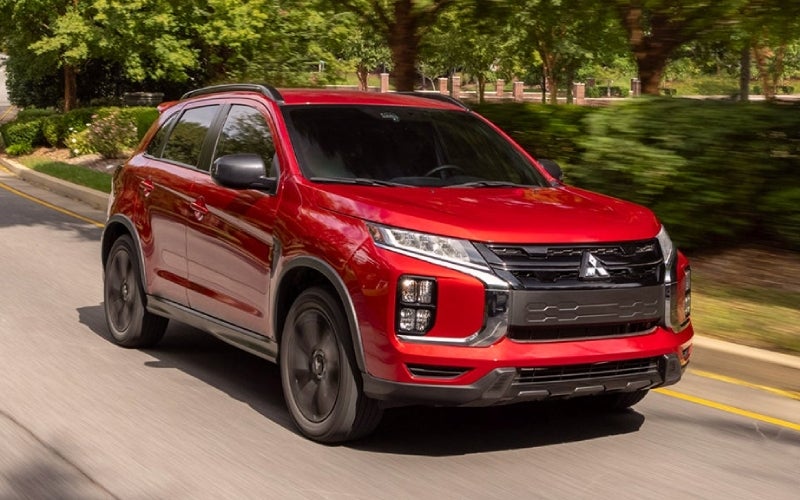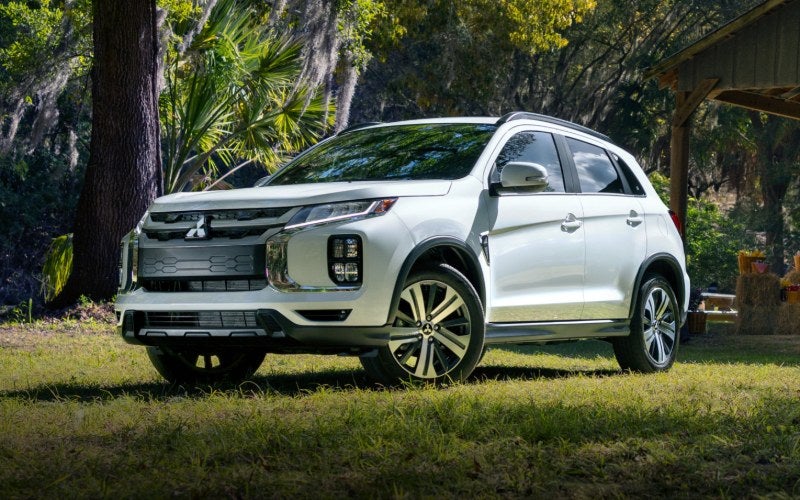

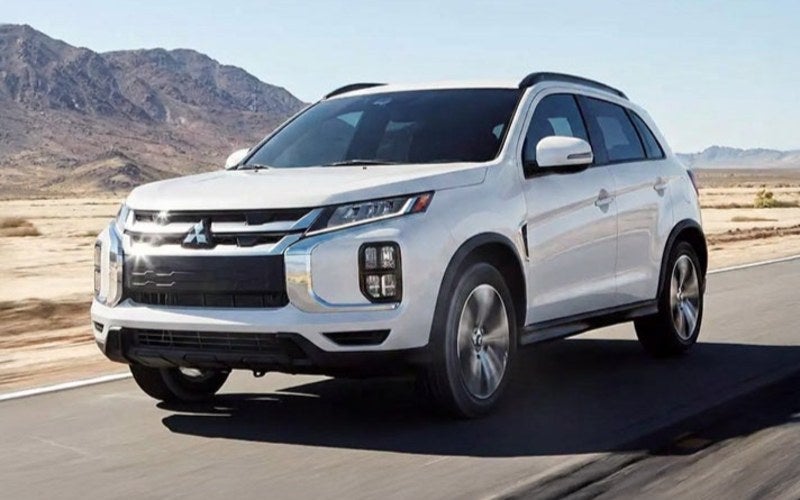

Peruzzi Mitsubishi - Why available AWC is worth considering for Philadelphia, PA Outlander Sport shoppers
Available All-Wheel Control (AWC) can be a meaningful upgrade for shoppers who want a compact crossover that feels more confident when road conditions vary. The 2027 Outlander Sport is already designed to be practical, efficient, and easy to maneuver, but available AWC adds another layer of capability by helping the vehicle respond when traction changes. For drivers serving Philadelphia, Trenton, and Cherry Hill, daily routes can include tight neighborhood streets, busy bridges, highway merges, uneven pavement, parking garages, and suburban back roads. A system that helps manage power and braking where grip is strongest can make everyday driving feel more composed.
Mitsubishi describes the Outlander Sport’s available AWC as a system that monitors the road and transfers power and braking to the wheels with the most traction. That is the core reason shoppers ask about it. It is not just about preparing for challenging conditions; it is about improving confidence during ordinary drives where pavement quality, traffic flow, and road surfaces can change within a few miles. If you value a compact SUV that remains easy to park while offering added traction support, available AWC deserves a close look.
How available AWC supports daily driving
The Outlander Sport’s available AWC system is designed to help the vehicle use available grip more effectively. During normal driving, that can help the crossover feel stable and predictable. When a road surface becomes uneven or slick, the system can help direct power and braking toward the wheels that can best use it. This supports driver confidence without requiring you to move up to a larger SUV or sacrifice the compact feel that makes the Outlander Sport so convenient.
That compact size is part of the appeal. The Outlander Sport has a manageable footprint, Electric Power Steering, and a 34.8-foot turning circle, making it well suited for city streets, shopping centers, and residential areas. Available AWC adds capability to that easygoing size. For many shoppers, that combination is exactly the point: a crossover that does not feel oversized, yet still offers added traction confidence when desired.
What to compare during a test drive
If you are deciding between a two-wheel-drive Outlander Sport and one equipped with available AWC, a test drive is the best way to understand the difference. Even if road conditions are dry, you can still evaluate how the vehicle feels while turning, merging, braking, and moving through mixed-speed traffic. The goal is not to push the vehicle hard; it is to see whether the added capability matches your comfort expectations.
- Steering feel: Notice whether the vehicle feels easy to place on narrow streets and in parking lots.
- Acceleration response: Evaluate how smoothly the CVT and MIVEC engine work together from a stop and during merging.
- Braking confidence: Pay attention to how the anti-lock braking system with Electronic Brakeforce Distribution (EBD) and Brake Assist feels.
- Ride stability: Drive on a mix of smooth and uneven pavement to understand the suspension tuning.
- Parking ease: Use the standard Rearview Camera and assess how simple the crossover is to maneuver.
As you compare, also think about how often you carry passengers or cargo. The Outlander Sport provides 5-passenger seating, 21.7 cu. ft. of cargo room behind the second row, and up to 49.5 cu. ft. behind the front seats with the rear seats folded. Available AWC is only one part of the decision; the right configuration should also support your space, comfort, and technology needs.
How AWC fits with other safety systems
Available AWC works alongside a strong list of safety and stability technologies. The Outlander Sport includes Active Stability Control, which closely monitors tire grip and helps maintain control using ABS, traction control, and stability control. It also offers Forward Collision Mitigation (FCM) with Pedestrian Detection, Lane Departure Warning, Automatic High Beams, RISE Body Construction, and a 7-Airbag System. Together, these systems help support awareness, control, and occupant protection.
This matters because traction is only one part of confident driving. A shopper may also want alerts, braking support, structural safety engineering, and visibility assistance. The Outlander Sport combines these elements in a way that feels practical rather than complicated. The systems are designed to support the driver, not distract from the drive.
Technology and comfort still matter
AWC may be the focus, but shoppers should not overlook the cabin experience. Available Apple CarPlay® and available Android Auto™ help connect compatible smartphones for music, messaging, and navigation. Bluetooth® Wireless Technology supports calls and audio access, while available USB-C ports help passengers keep devices charged. These features are especially useful for commuters, families, and anyone who relies on phone-based navigation during a busy day.
Comfort is also important. Standard Automatic Climate Control, available leather seats, an available four-way power driver seat, and the 60:40 rear seat folding function help the Outlander Sport feel more adaptable. If your goal is to find a small SUV that works for commuting, errands, and weekend plans, the whole package should matter as much as the drivetrain.
Who should prioritize available AWC?
Available AWC is especially worth considering if you prefer extra traction confidence, travel across varied road surfaces, or plan to keep your vehicle for many years. It can also appeal to shoppers who want the security of a more capable drivetrain while keeping the size and practicality of a compact crossover. Not every driver needs it, but many drivers appreciate the added assurance.
- Frequent commuters: Added traction confidence can be valuable when daily routes include highways, ramps, and changing pavement.
- Suburban families: AWC can support confidence during errands, school activities, and regional travel.
- Active lifestyles: Drivers carrying gear to parks, trails, or recreation areas may appreciate extra grip support.
- Long-term owners: Shoppers planning to keep a vehicle for years may value capability that remains useful across many driving situations.
Peruzzi Mitsubishi can help you compare available AWC models with other Outlander Sport trims so you can decide based on real needs, not guesswork. A product specialist can walk through drivetrain differences, safety systems, cargo flexibility, and technology features in a way that makes the decision easier.
Frequently Asked Questions:
Is the Outlander Sport AWD?
The Outlander Sport offers available All-Wheel Control (AWC). This is Mitsubishi’s traction-focused system that monitors the road and helps transfer power and braking to the wheels with the most traction.
Does available AWC make the Outlander Sport harder to drive?
No. The system is designed to work in the background. You still drive normally, while the vehicle helps manage traction as conditions change.
Should I test drive both drivetrain options?
Yes, if possible. Driving both configurations can help you decide whether available AWC feels like the right match for your routes, comfort level, and ownership plans.
What other features should I review with AWC?
Review Active Stability Control, Forward Collision Mitigation (FCM) with Pedestrian Detection, Lane Departure Warning, Automatic High Beams, cargo space, seating comfort, and available smartphone connectivity.
Available AWC is not just a technical option on a spec sheet. For many shoppers, it is the difference between a compact crossover that feels practical and one that also feels especially reassuring. When combined with flexible cargo room, standard safety systems, available smartphone integration, and Mitsubishi warranty confidence, the Outlander Sport becomes a compelling option for drivers who want everyday usefulness with added capability.