
Blog / Mitsubishi Eclipse Sportback EV

Do Fairless Hills, PA Drivers Need Level 2 Charging for the 2027 Eclipse Sportback EV?

2027mitsubishieclipsesportbackev-exterior-01
Do Fairless Hills, PA Drivers Need Level 2 Charging for the 2027 Eclipse Sportback EV?

Peruzzi Mitsubishi - Do Fairless Hills, PA Drivers Need Level 2 Charging for the 2027 Eclipse Sportback EV?

Fairless Hills drivers considering the 2027 Mitsubishi Eclipse Sportback EV have a practical question to answer before bringing an EV into daily life: is a Level 2 home charger necessary, or can regular charging habits work without one?

The 2027 Mitsubishi Eclipse Sportback EV is designed to make electric driving feel approachable, especially for shoppers who want a sporty, subcompact electric SUV with real daily usability. Mitsubishi has shared that the Eclipse Sportback EV supports Level 1 and Level 2 charging, along with Level 3 access through the Tesla® Supercharger network. That mix matters because different Fairless Hills households have different parking setups, commute lengths, and charging expectations. A driver with a garage near Lincoln Highway may have a very different routine than someone parking outside an apartment community, commuting toward Philadelphia, or crossing into New Jersey for work.

The Main FAQ: Do You Need a Level 2 Charger at Home?

A Level 2 home charger is not strictly required to own and enjoy the 2027 Mitsubishi Eclipse Sportback EV, but it can make ownership much easier for drivers who put on regular weekday miles, want faster overnight charging, or prefer to treat charging like plugging in a phone at night. Level 1 charging can be useful for light daily driving or topping off gradually, while Level 2 charging is the more convenient choice for many EV households because it adds range much faster through a 240-volt setup.

For in-market shoppers around Fairless Hills, the decision comes down to your actual routine rather than a one-size-fits-all rule. If your daily driving is mostly local - trips to Oxford Valley, errands in Levittown, school drop-offs, or a short commute around Lower Bucks County - Level 1 charging may cover a surprising amount of your needs when the vehicle is plugged in consistently. If your week includes regular longer drives on I-295, Route 1, the Pennsylvania Turnpike, or frequent travel toward Philadelphia, Trenton, or Princeton, Level 2 charging at home can reduce planning and make the EV feel more seamless.

How Level 1, Level 2, and Level 3 Charging Fit Real Life

The 2027 Eclipse Sportback EV gives drivers flexibility by supporting multiple charging levels. That flexibility is important because EV ownership is not only about maximum range - it is about where, when, and how conveniently you can recharge. A shopper who can plug in overnight at home may rarely need public charging during a normal week. A shopper without home charging may rely more on workplace chargers, public Level 2 stations, or Level 3 fast charging when needed.

Here is a practical way to think about the three charging paths:

  • Level 1 charging: Uses a standard household-style outlet and works best for light daily driving, gradual overnight charging, or maintaining charge when the vehicle sits for longer periods.
  • Level 2 charging: Uses 240-volt charging and is better suited for overnight replenishment after regular commuting, multi-errand days, or weekend driving around Bucks County and nearby New Jersey.
  • Level 3 fast charging: Helps during road trips, busy weeks, or longer travel days, and the 2027 Eclipse Sportback EV supports access through the Tesla® Supercharger network.

That mix means Fairless Hills drivers do not have to rely on one charging method all the time. Many EV owners use Level 2 at home as the foundation, then use public fast charging only when the schedule calls for it. Others start with Level 1 and upgrade later if daily mileage grows or if a home installation becomes convenient.

When Level 1 Charging May Be Enough

Level 1 charging can make sense if your daily mileage is modest and your vehicle spends long stretches parked at home. For example, a driver who works locally, runs errands in Fairless Hills and Langhorne, and only takes longer trips occasionally may not need a Level 2 charger immediately. The key is consistency. Plugging in when you get home allows the battery to recover gradually, especially if your daily driving pattern is predictable.

This setup can also work for households with more than one vehicle. If the Eclipse Sportback EV is used mainly for commuting, local errands, or driving to nearby train stations, Level 1 charging may be a low-effort starting point. It may also appeal to first-time EV owners who want to get comfortable before deciding whether to install a dedicated 240-volt charging station.

Still, Level 1 charging requires patience. It is not the best match for drivers who frequently arrive home with a lower battery and need a substantial recharge by morning. If your schedule changes often or your daily route can expand without notice, Level 2 charging adds a valuable cushion.

When Level 2 Charging Is the Smarter Ownership Move

Level 2 charging is worth serious consideration if the 2027 Eclipse Sportback EV will be your primary vehicle. It can be especially helpful for drivers commuting from Fairless Hills toward Center City Philadelphia, King of Prussia, Trenton, or other regional job centers. Even if your normal commute is manageable, a faster home charging setup gives you more flexibility for after-work errands, family activities, and unplanned trips.

A home Level 2 charger also helps EV ownership feel simple. Instead of planning around public stations for normal driving, you can plug in at home and begin the next day with the level of charge you prefer. For many shoppers, that convenience is the strongest reason to install Level 2 charging - not because Level 1 cannot work, but because Level 2 reduces the number of decisions you have to make during a busy week.

Drivers should also think about future needs. A current commute may be short, but a new job, a child starting activities farther from home, or more frequent travel could make faster home charging more useful. Installing Level 2 charging can be a long-term convenience upgrade for households planning to keep an EV as a central part of daily transportation.

Local Driving Factors Around Fairless Hills

Fairless Hills sits in a useful location for EV owners because local driving often blends short trips with regional highway access. Lincoln Highway, Route 1, I-295, and the Pennsylvania Turnpike give drivers plenty of reach, but those same routes can create a wide range of mileage patterns. A short daily errand routine around Levittown and Morrisville has different charging needs than a commute that crosses into New Jersey or heads toward Philadelphia traffic every weekday.

Parking is another practical factor. Homeowners with a driveway or garage may find Level 2 installation more straightforward than renters or condo residents who need approval from a property manager or homeowners association. For shoppers without easy home charging, the Eclipse Sportback EV's ability to use Level 3 charging through the Tesla® Supercharger network becomes especially helpful, since fast charging can support longer drives and busier schedules.

At Peruzzi Mitsubishi, we encourage shoppers to think through the full ownership picture: where the vehicle will park overnight, how many miles a normal week includes, how often longer trips occur, and whether workplace charging is available. A clear look at those details usually points to the right charging setup.

Charging Decision Checklist for Local Shoppers

If you are deciding whether to install Level 2 charging for the 2027 Mitsubishi Eclipse Sportback EV, start with your routine rather than the charger itself. These questions can help narrow the decision:

  • Daily mileage: If your weekday driving is light and predictable, Level 1 may be a practical starting point.
  • Primary vehicle use: If the Eclipse Sportback EV will handle most household driving, Level 2 charging can add convenience and confidence.
  • Parking setup: A private driveway or garage often makes home charging easier to plan.
  • Commute pattern: Regular trips on Route 1, I-295, or the Pennsylvania Turnpike may make faster overnight charging more appealing.
  • Public charging access: Nearby workplace, shopping, or fast-charging options can help supplement home charging.
  • Schedule flexibility: If your week changes often, Level 2 charging provides more buffer between busy driving days.

The right answer may also change over time. Some EV drivers begin with Level 1 charging, learn how the vehicle fits daily life, and upgrade to Level 2 later. Others prefer to install Level 2 charging before taking delivery so the home routine is ready from day one. Either path can work when it matches your driving habits.

Why the Eclipse Sportback EV Makes This Conversation Easier

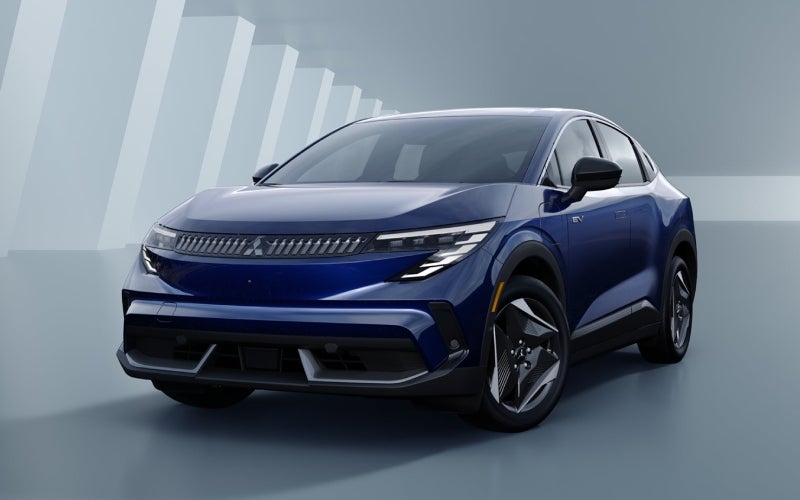
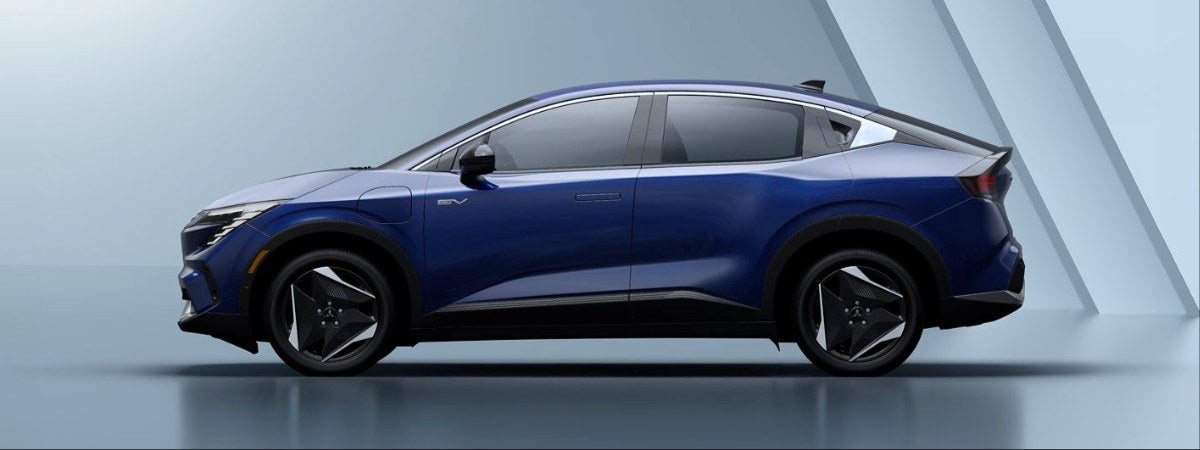
The 2027 Mitsubishi Eclipse Sportback EV is compelling because it combines EV flexibility with the useful size and personality of a sporty subcompact SUV. Mitsubishi notes distinctive styling details such as unique fascias, distinct front and rear lights, striking alloy wheels, and the iconic Triple Diamond branding. Inside and out, it is intended to feel modern without asking drivers to give up everyday practicality.

Its charging versatility is a major part of that practicality. Level 1 access supports simple home plugging. Level 2 compatibility supports more efficient at-home charging. Level 3 access through the Tesla® Supercharger network gives drivers a fast-charging option when travel demands more than the home routine. For shoppers in Fairless Hills, that means the Eclipse Sportback EV can adapt to different lifestyles rather than forcing every owner into the same charging pattern.

Peruzzi Mitsubishi is also positioned to support drivers beyond the shopping stage. Our sales facility is located at 130 Lincoln Hwy in Fairless Hills, and our Service & Parts Facility is located at 49 Spencer Avenue. Our Mitsubishi-certified technicians can service EVs, and our team is here to help local drivers understand maintenance, charging considerations, and long-term ownership questions with clear guidance.

Frequently Asked Questions:

Can I own the 2027 Mitsubishi Eclipse Sportback EV without a Level 2 home charger?

Yes, many drivers can begin with Level 1 charging if daily mileage is modest and the vehicle can remain plugged in for long periods. However, Level 2 charging is more convenient for higher-mileage routines, primary-vehicle use, and drivers who want faster overnight charging.

Is Level 2 charging better for commuters near Fairless Hills, PA?

For many commuters, yes. If you regularly drive beyond local errands or use highways such as Route 1, I-295, or the Pennsylvania Turnpike, Level 2 charging can help the Eclipse Sportback EV recover more range overnight and reduce the need for public charging during the week.

Can the 2027 Eclipse Sportback EV use fast charging on longer trips?

Yes. Mitsubishi has stated that the 2027 Eclipse Sportback EV supports Level 3 charging through the Tesla® Supercharger network, giving drivers an important option for longer travel days or busier schedules.

Does Peruzzi Mitsubishi service EVs in Fairless Hills, PA?

Yes. Peruzzi Mitsubishi services EVs, and our Mitsubishi-certified technicians are available at our Service & Parts Facility at 49 Spencer Avenue in Fairless Hills, Pennsylvania.

What should I ask before installing a Level 2 charger at home?

Ask whether your electrical panel can support a 240-volt charging setup, where the vehicle will park, whether permits or property approvals are needed, and how much daily driving you expect. A licensed electrician can evaluate the home installation side, while Peruzzi Mitsubishi can help you understand how charging fits the vehicle ownership experience.

The best charging setup for the 2027 Mitsubishi Eclipse Sportback EV depends on how you actually drive around Fairless Hills and the surrounding region. Level 1 can work for lighter routines, Level 2 adds everyday convenience, and Level 3 fast charging helps support longer trips. If you are comparing EV ownership options, Peruzzi Mitsubishi can help you think through the practical details so your next vehicle fits your road, your schedule, and your charging plan.
Request more 2027 Mitsubishi Eclipse Sportback EV information

Posted in:

Related Posts

2027mitsubishieclipsesportbackev-header-01

How Does the 2027 Mitsubishi Eclipse Sportback EV Charging Setup Fit Langhorne, PA Drivers?

Peruzzi Mitsubishi - How Does the 2027 Mitsubishi Eclipse Sportback EV Charging Setup Fit Langhorne, PA Drivers? Electric vehicle shopping becomes much easier when the charging plan feels simple, realistic, and matched to your daily routine. For Langhorne, PA drivers considering the 2027 Mitsubishi Eclipse Sportback EV, the charging setup is one of the most important reasons this electric SUV deserves a closer look. Mitsubishi notes that the Eclipse Sportback EV supports Level 1 and Level 2 charging, along with Level 3 fast charging through the Tesla® Supercharger network. That combination gives shoppers flexibility at home, around town, and on longer routes across Bucks County, the Philadelphia area, and beyond. The appeal is not just that this EV can charge in multiple ways. It is that those charging options fit different parts of real life. A driver who has a garage or driveway may want the convenience of Level 2 home charging. Someone who drives shorter distances may use Level 1 charging more often than expected. A household that takes regional trips can benefit from DC fast-charging access, especially when planning stops along major travel corridors. The 2027 Mitsubishi Eclipse Sportback EV gives shoppers a way to think about EV ownership as a practical routine, not a complicated adjustment. Understanding the Three Charging Levels The 2027 Mitsubishi Eclipse Sportback EV offers access to three key types of charging. Level 1 charging uses a standard 120-volt outlet and is the simplest way to plug in, although it is typically the slowest. Level 2 charging uses 240-volt power and is often the preferred home-charging solution because it can add range more efficiently while the vehicle is parked for several hours. Level 3 charging, also known as DC fast charging, is designed for quicker stops away from home and can be especially helpful during longer drives. Provided details note that the Eclipse Sportback EV uses a split charge-port strategy. A NACS port on the right-front fender supports DC fast charging, while a J-1772 port on the left-front fender supports AC charging. The vehicle also includes a portable charging cord with pigtails for both 240-volt and 120-volt outlets. For shoppers who are new to EVs, that matters because it makes the vehicle feel more adaptable from the start. Why Tesla® Supercharger Network Access Matters Mitsubishi states that the Eclipse Sportback EV will offer Level 3 charging access through the Tesla® Supercharger network, the largest fast-charging network in North America. For in-market EV shoppers, network access is a major confidence factor. Range is important, but charging availability is what helps make an EV feel practical outside the normal weekday routine. Under ideal circumstances, provided content notes that DC fast charging can bring the battery from 10 to 80 percent in about 35 minutes. That does not mean every charging stop will be identical, because charging speed can depend on battery temperature, station capability, state of charge, and other conditions. Still, that type of capability is useful for drivers who want to make efficient stops while traveling. Entering a DC fast charger into the navigation as a destination can automatically precondition the battery pack for faster charging, and drivers can also tell the car to precondition if not using navigation. How Home Charging Can Fit Daily Life For many Langhorne, PA drivers, home charging is where EV ownership starts to feel especially convenient. If the vehicle can be plugged in overnight or during regular parked hours, daily driving may require far fewer public charging stops. Level 2 charging is the strongest option for many households because the onboard charger is capable of 7.2 kilowatts, with provided content noting that a 20 to 80 percent charge can take roughly 6.5 hours on 240-volt AC power. That kind of routine can be helpful for drivers commuting to nearby employment centers, making local school runs, heading to shopping areas, or connecting to regional roads for appointments and activities. Instead of stopping at a gas station, the charging routine can become part of parking at home. Shoppers should still consider electrical capacity, charger placement, parking location, and installation needs, but the basic idea is straightforward: plug in when the vehicle is parked, start the next drive with useful range available. Questions to Ask Before Choosing Your Charging Setup Before choosing any EV, it helps to map out your normal driving and charging needs. The 2027 Mitsubishi Eclipse Sportback EV has a projected 282-mile electric driving range, giving it strong day-to-day flexibility, but every household uses a vehicle differently. A driver with a predictable commute may need a different setup than a family that shares the vehicle for errands, sports, shopping, and weekend travel. Daily mileage: Estimate how far you drive on a normal weekday and a busier weekend day. Parking location: Consider whether the vehicle will be parked near a standard outlet or a potential 240-volt charging location. Public charging: Look at stations near work, shopping areas, and common travel routes. Trip planning: Think about how often you drive beyond the projected range and where fast charging would be useful. Household schedule: Decide when the vehicle can sit plugged in without interrupting daily needs. These questions do not need to be complicated. The goal is to identify whether your routine is best served by a Level 2 home charger, occasional Level 1 charging, public Level 2 charging, or a combination that includes DC fast charging for longer drives. Charging and the Driving Experience Work Together The Eclipse Sportback EV is not only about plugging in. Its electric powertrain also changes how the vehicle feels on the road. A 75-kWh battery pack, a 214-horsepower electric motor, and 261 pound-feet of torque helps create the quick, smooth response many EV shoppers enjoy during merging, passing, and city-to-suburb driving. Regenerative braking also plays a role in the EV experience. The vehicle offers five levels of regenerative braking, from B1 to B5, plus an e-Step button that increases regenerative effect. While the system does not provide full one-pedal operation to a complete stop, it can help drivers manage speed more smoothly once familiar with the settings. Around local roads with frequent lights, turns, and traffic changes, adjustable regeneration can make driving feel more controlled and efficient. Frequently Asked Questions: Can the 2027 Mitsubishi Eclipse Sportback EV be charged from a regular household outlet? Yes. Mitsubishi notes access to Level 1 charging, and provided details include a portable charging cord with a 120-volt pigtail. Level 1 charging is typically slower than other methods, but it can be useful for light daily driving, backup charging, or situations where a standard outlet is the most convenient option. Is Level 2 charging better for most home charging routines? For many EV owners, Level 2 charging is the preferred home solution because it uses 240-volt power and can add range more quickly than Level 1. Provided content notes that the Eclipse Sportback EV's onboard charger is capable of 7.2 kilowatts and can charge from 20 to 80 percent in roughly 6.5 hours under appropriate conditions. How does fast charging help on longer drives? Fast charging helps reduce downtime when traveling beyond your regular daily range. The Eclipse Sportback EV supports Level 3 charging through the Tesla® Supercharger network, and provided information notes that DC fast charging can charge from 10 to 80 percent in about 35 minutes under ideal circumstances. Should I plan charging stops through the vehicle navigation? Using navigation can be helpful because entering a DC fast charger as a destination can automatically precondition the battery pack for faster charging. Battery preconditioning helps the vehicle prepare for optimal charging performance, though actual charging time can still vary based on station and battery conditions. The 2027 Mitsubishi Eclipse Sportback EV charging setup is designed to make electric driving feel more flexible and approachable. For Langhorne, PA shoppers, the combination of projected 282-mile range, Level 1 and Level 2 capability, Level 3 access through the Tesla® Supercharger network, and smart battery preconditioning gives this EV a practical foundation for local driving and regional travel. The best next step is to think through where you park, how far you drive, and how often you travel beyond your regular routine. With that information, choosing the right charging approach becomes much clearer. As EV shopping continues to become more mainstream, the Eclipse Sportback EV gives Mitsubishi shoppers a well-rounded option with a sporty compact SUV shape, useful cabin technology, and charging flexibility that supports a wide range of lifestyles. Whether your priority is home convenience, fast-charging access, or simply understanding how an electric vehicle would fit your week, this Mitsubishi EV makes the conversation easier to start. Request more 2027 Mitsubishi Eclipse Sportback EV information

2027mitsubishieclipsesportbackev-header-01

How Does 2027 Mitsubishi Eclipse Sportback EV Charging Fit Daily Driving near Trenton, NJ?

Peruzzi Mitsubishi - How Does 2027 Mitsubishi Eclipse Sportback EV Charging Fit Daily Driving near Trenton, NJ? Charging is a major part of the EV shopping journey, and the 2027 Mitsubishi Eclipse Sportback EV gives drivers near Trenton, NJ a practical setup designed around flexibility. For anyone moving from a gas-powered SUV into a fully electric vehicle, the charging routine can feel like the biggest change. The good news is that Mitsubishi has focused on giving this EV multiple ways to recharge, including Level 1, Level 2, and Level 3 charging through the Tesla® Supercharger network. That matters for local drivers because daily travel around Trenton, Route 1, I-295, the Pennsylvania Turnpike, and surrounding suburbs often includes a mix of short errands and longer regional trips. A flexible charging setup helps make the Eclipse Sportback EV easier to own because it does not rely on one single charging method. Instead, the vehicle supports slower convenience charging, faster home or public charging, and DC fast charging for longer travel days. What Charging Levels Mean for Daily Use Level 1 charging uses a standard 120-volt household outlet. It is the slowest option, but it can still be useful for light daily driving, backup charging, or topping off when a faster charger is not available. For drivers with short commutes or access to overnight charging, Level 1 may provide enough energy for occasional use, especially if the vehicle is plugged in consistently. Level 2 charging is often the most important setup for EV ownership. This uses 240-volt power, which can be installed at many homes or found at public charging locations, workplaces, shopping centers, and parking garages. The referenced vehicle details list a 7.2-kilowatt onboard charger, with a 20 to 80 percent charge estimated at roughly 6.5 hours. For many shoppers, that makes Level 2 charging the preferred daily routine because the vehicle can recharge while parked for several hours. Level 3 charging, also called DC fast charging, is built for speed during longer drives. Mitsubishi notes access through the Tesla® Supercharger network, which is the largest fast-charging network in North America. The provided content also describes DC fast charging at up to around 150 kilowatts under ideal conditions, with a 10 to 80 percent charge in about 35 minutes. That type of charging is especially helpful when travel extends beyond a normal daily loop. Why the Split Charge-Port Setup Is Helpful The Eclipse Sportback EV uses a split charge-port strategy described in the provided vehicle information. A NACS port is used for DC fast charging, while a J-1772 port is used for AC charging. This setup gives the vehicle access to different charging types without making the driver rely on one port for every situation. For shoppers, the benefit is simple: the vehicle is designed to work with common charging environments. At home or around town, Level 2 AC charging can support everyday use. On longer trips, DC fast charging can help reduce charging stops. A CCS-to-NACS adapter is also referenced in the provided details, which adds another layer of compatibility when using certain public chargers. The charging experience is further supported by battery preconditioning. According to the referenced vehicle information, entering a DC fast charger into the navigation system as a destination can automatically precondition the battery pack for faster charging. Drivers can also tell the vehicle to precondition if navigation is not being used. This is a helpful feature because battery temperature can influence charging speed. How to Build a Charging Routine A strong EV ownership plan starts with understanding how and where the vehicle will be charged most often. The Eclipse Sportback EV's projected 282-mile range gives many drivers room to manage several days of typical local travel between charging sessions, depending on mileage and driving habits. Still, the easiest EV experience usually comes from having a predictable routine. Home charging: If a Level 2 charger can be installed where you park, charging overnight or during downtime can become the main routine. Workplace charging: If your workplace offers EV charging, that can reduce the need for home installation or public charging stops. Public Level 2 charging: Shopping centers, garages, municipal lots, and community destinations may offer useful charging while parked. DC fast charging: Use faster charging for longer travel days or when a quicker battery boost is needed. After identifying charging options, think about weekly driving. A driver who covers 30 to 40 miles per day may need a very different routine than a driver who regularly travels between Trenton, Philadelphia, Princeton, and Bucks County. Range planning is not only about the maximum number. It is about how easily the vehicle fits your schedule. What Makes Charging Easier in Real Life The Eclipse Sportback EV includes details that can make charging feel more manageable. The standard portable charging cord with connectors for 120-volt and 240-volt outlets, as described in the provided content, gives drivers added flexibility. While a dedicated Level 2 home charger may be the most convenient long-term option, a portable cord can be helpful for varied charging situations. The vehicle's dual 14.3-inch displays also support the EV experience by keeping information visible and easy to access. Navigation, charging-related information, and smartphone connectivity through Android Auto™ and Apple CarPlay help drivers plan routes and stay connected. For EV shoppers, good information access reduces guesswork and makes each charging stop feel more intentional. Another helpful detail is the use of a heat pump to warm or cool the cabin, battery pack, and drive motor. This system is designed to improve efficiency compared with relying only on resistance heating. Since cabin comfort and battery temperature can affect EV energy use, a heat pump is a meaningful part of the overall ownership experience. Questions to Ask Before Choosing an EV Before selecting any electric SUV, shoppers should ask practical questions about charging access. The right answers depend on your home, commute, parking situation, and travel habits. The Eclipse Sportback EV gives shoppers multiple charging paths, but planning ahead will make ownership smoother. Where will I charge most often: Home, work, public stations, or a combination of locations can shape your routine. Can I install Level 2 charging: A 240-volt home setup can make daily EV ownership significantly easier. How many miles do I drive weekly: Compare your normal mileage with the projected 282-mile range. Do I take longer regional trips: DC fast charging access is especially useful for road trips or unpredictable schedules. Do I understand charging speed differences: Level 1, Level 2, and DC fast charging serve different purposes. These questions help shift the EV decision from abstract numbers to real daily use. A shopper may find that the Eclipse Sportback EV needs charging only a few times per week. Another shopper may prefer nightly top-offs. Both routines can work when the vehicle and charging access match the driver's lifestyle. Frequently Asked Questions: Can the 2027 Mitsubishi Eclipse Sportback EV use Tesla® Supercharger locations? Yes. Mitsubishi states that the Eclipse Sportback EV supports Level 3 charging through the Tesla® Supercharger network. The referenced content describes a NACS port for DC fast charging, helping expand fast-charging access for longer trips and quicker charging stops. Is Level 2 charging enough for most daily driving? For many drivers, yes. Level 2 charging is often the best everyday charging method because it is much faster than a standard household outlet and can recharge the vehicle while parked for several hours. The provided details list a 20 to 80 percent charge in roughly 6.5 hours with the 7.2-kilowatt onboard charger. Does fast charging always take the same amount of time? No. Charging time can vary based on battery temperature, charger output, battery state of charge, and conditions at the charging station. Battery preconditioning can help prepare the battery for faster DC charging when a fast charger is entered into the navigation system. Should I install a home charger before buying an EV? Many EV owners prefer having Level 2 charging at home, but the best choice depends on your parking setup, commute, and access to public or workplace charging. Reviewing your routine before purchase can help you choose the most convenient charging plan. The 2027 Mitsubishi Eclipse Sportback EV charging setup is appealing because it gives drivers choices. Level 1 can work as a backup or light-use solution, Level 2 supports a convenient daily routine, and Level 3 fast charging helps with longer drives. For shoppers near Trenton, NJ comparing electric SUVs, that flexibility can make the transition to EV ownership feel more natural. When combined with a projected 282-mile range, smart digital displays, battery preconditioning, a practical hatchback layout, and Mitsubishi's distinctive design, the Eclipse Sportback EV becomes more than an efficient vehicle. It becomes a thoughtful electric SUV built for real routines, real roads, and real questions from shoppers ready to move into electric driving with confidence. Request more 2027 Mitsubishi Eclipse Sportback EV information

2027mitsubishieclipsesportbackev-header-01

What to Know About the 2027 Mitsubishi Eclipse Sportback EV

Peruzzi Mitsubishi - What to Know About the 2027 Mitsubishi Eclipse Sportback EV The 2027 Mitsubishi Eclipse Sportback EV brings an important name back into the spotlight with a fully electric personality, a compact SUV-like shape, and the kind of everyday practicality many shoppers want from a modern EV. For longtime Mitsubishi fans, the Eclipse name carries a sporty heritage. For new EV shoppers, the Sportback layout signals versatility, efficient packaging, and a more practical approach to electric driving. At Peruzzi Mitsubishi, we’re excited to help drivers understand what this new electric model means for daily commuting, road trips, charging confidence, and the future of the Mitsubishi lineup. For shoppers serving Philadelphia, Trenton, and Cherry Hill, the 2027 Eclipse Sportback EV is especially relevant because it targets the sweet spot between compact maneuverability and crossover-style usefulness. It is expected to be a sporty, subcompact electric SUV with distinct Mitsubishi design cues, including unique front and rear lighting, striking alloy wheels, bold fascia details, and the iconic Triple Diamond branding. It is designed for people who want an EV that feels easy to live with, simple to park, and modern without feeling unfamiliar. A Fresh Electric Chapter for the Eclipse Name The Eclipse name has long been associated with style and driver appeal, and the 2027 Eclipse Sportback EV gives that name a new role in Mitsubishi’s electrified future. Rather than reviving the past exactly as it was, Mitsubishi is using the Eclipse identity to introduce a battery-electric vehicle that fits current customer priorities: efficiency, flexible space, intuitive technology, and access to a wider charging network. The “Sportback” part of the name is also meaningful. A sportback body style blends the sleek look of a hatchback with the practicality of a compact crossover. That means the Eclipse Sportback EV should appeal to shoppers who like a clean, athletic silhouette but still need useful cargo space, rear-seat practicality, and a cabin layout suitable for workdays, errands, family use, and weekend plans. Its compact footprint should also make it a strong fit for urban and suburban driving where easy maneuverability matters. Electric Range and Driving Personality One of the biggest questions any EV shopper asks is simple: how far can it go? Based on early information from automotive reporting, the 2027 Eclipse Sportback EV is projected to offer around 282 miles of driving range. That range estimate puts it in a practical zone for many drivers who want an EV for weekday commuting while still having enough confidence for longer routes. Actual range can vary depending on speed, temperature, terrain, driving habits, accessories, and charging behavior, but the overall target is encouraging for a compact electric SUV. The Eclipse Sportback EV is also expected to deliver the smooth, immediate response that makes electric driving so enjoyable. EVs do not need to build revs like gasoline engines, so acceleration can feel quick and confident right away. For merging, passing, city driving, and stop-and-go traffic, that instant torque can make the vehicle feel lively and easy to control. Early drive impressions from industry sources describe the vehicle as quiet, responsive, and well suited to mixed daily driving. Projected range: Around 282 miles, based on early reporting Driving feel: Smooth, quiet, and responsive with instant EV torque Vehicle size: Compact enough for easy parking while still offering useful cargo flexibility Power delivery: Expected front-wheel-drive layout with confident everyday acceleration Charging Options Designed for Real Life Charging access is one of the most important parts of EV ownership, and the 2027 Mitsubishi Eclipse Sportback EV is expected to offer a flexible charging setup. Mitsubishi has noted that the model will support Level 1 and Level 2 charging, plus Level 3 DC fast charging through the Tesla Supercharger network. That combination is valuable because it gives owners multiple ways to keep the vehicle powered, whether charging at home, at work, at a public station, or during longer travel. Level 1 charging uses a standard household-style outlet and is best for light daily driving or occasional top-offs. Level 2 charging is the preferred home-charging solution for many EV owners because it adds range much more quickly. DC fast charging is the option most associated with road trips and busy days, allowing a substantial recharge in less time under ideal conditions. Access to the Tesla Supercharger network is especially significant because it is one of the largest fast-charging networks in North America. Level 1 charging: Useful for basic charging from a standard outlet when time is not a priority Level 2 charging: Ideal for home installation and regular overnight charging routines Level 3 fast charging: Helpful for longer drives and quicker public charging stops Supercharger access: Adds confidence by connecting owners with a broad fast-charging network Design: Recognizable Mitsubishi Character The 2027 Eclipse Sportback EV is expected to stand apart visually through Mitsubishi-specific styling details. The front fascia, lighting signature, wheels, rear design, and Triple Diamond badge should help the model feel like a true member of the Mitsubishi family. For shoppers who care about design, this matters. EVs can sometimes feel overly similar, but the Eclipse Sportback EV aims to deliver a more expressive look. The shape should also serve a practical purpose. A compact sportback profile can help with aerodynamic efficiency while preserving useful interior space. The sloping rear design gives the vehicle a dynamic stance, while the hatch-style cargo opening should make it easier to load everyday items. Fold-flat rear seating, depending on final configuration, should further expand versatility for larger cargo needs. Interior Technology and Everyday Comfort Inside, the Eclipse Sportback EV is expected to focus on a modern digital experience without making the cabin feel overly complicated. Early reporting points to large digital displays, smartphone integration, navigation functionality, and physical controls where shoppers often appreciate them. That balance is important because a good EV interior should feel advanced but still easy to use from the first drive. Comfort features are expected to play an important role as well. Available or reported highlights may include heated seating, a heated steering wheel, a premium audio system through an optional technology-focused package, a panoramic glass roof, and a power liftgate. Final equipment can vary by specification, but the overall direction is clear: Mitsubishi wants the Eclipse Sportback EV to feel well equipped for daily ownership. Digital displays: Expected large screens for driver information and infotainment control Smartphone support: Apple CarPlay and Android Auto are expected based on early reporting Comfort features: Heated seating and a heated steering wheel are expected to support daily usability Cargo flexibility: Sportback design should provide practical space with the rear seats folded Available technology package: Reported features include a premium audio system, glass roof, roof rails, and power liftgate Safety and Confidence Features Modern EV shoppers usually expect a strong set of driver-assistance features, and the 2027 Eclipse Sportback EV is expected to include helpful safety technologies. Early information references features such as automatic emergency braking and an around-view monitor function. These features can be especially useful in daily driving, where parking lots, intersections, traffic changes, and tight streets require constant awareness. Another ownership confidence factor is Mitsubishi’s broader approach to warranty and support. Mitsubishi is known for offering strong warranty coverage across the lineup, and early reporting suggests the Eclipse Sportback EV should continue that customer-focused approach with significant vehicle, battery, and electric powertrain coverage. For EV shoppers, battery and powertrain protection can be a major consideration because it helps support long-term confidence. Who Is the 2027 Eclipse Sportback EV For? The Eclipse Sportback EV should appeal to a wide range of shoppers, especially those looking for an approachable first EV. Its size, expected range, charging flexibility, and Mitsubishi styling make it a practical choice for drivers who want to move into electric ownership without choosing an oversized vehicle. It should also be appealing for current Mitsubishi owners who enjoy the brand’s straightforward value, SUV practicality, and distinctive design. This EV may be a smart fit for commuters, small families, professionals, empty nesters, and anyone who wants lower tailpipe emissions with less routine maintenance than a gas-only vehicle. Since EVs do not require oil changes and have fewer moving powertrain components, ownership can feel simpler in several ways. Tire care, brake inspections, cabin air filters, software updates, and battery health remain important, but the day-to-day maintenance rhythm is often easier to understand. How to Prepare for EV Ownership If you are researching the 2027 Mitsubishi Eclipse Sportback EV, it helps to think beyond the vehicle itself. EV ownership works best when charging, parking, commuting needs, and driving habits are considered together. A little planning can make the transition feel natural. Review daily mileage: Estimate how many miles you drive on a typical weekday and during longer weekend routes Explore home charging: Consider whether Level 2 charging could be installed where you park most often Map public chargers: Look at fast-charging stations near work, shopping areas, family destinations, and major travel routes Understand incentives: Review available federal, state, local, or utility programs that may apply to EV ownership Compare ownership needs: Think about cargo space, passenger comfort, technology preferences, and charging convenience Frequently Asked Questions: Is the 2027 Mitsubishi Eclipse Sportback EV fully electric? Yes. The 2027 Eclipse Sportback EV is a battery-electric vehicle, meaning it runs on electricity rather than gasoline. It is separate from a plug-in hybrid because it does not rely on a gas engine for propulsion. What charging options are expected for the Eclipse Sportback EV? Mitsubishi has indicated support for Level 1, Level 2, and Level 3 charging, including access to the Tesla Supercharger network. This gives owners flexibility for home charging, public charging, and faster charging during longer drives. How much range is expected? Early automotive reporting points to an estimated range of around 282 miles. Final real-world range will depend on driving conditions, charging habits, speed, climate control use, and vehicle configuration. Is the Eclipse Sportback EV a good first electric vehicle? It has the potential to be a strong first EV because it combines compact size, practical range, broad charging access, and familiar Mitsubishi design. Shoppers new to EV ownership should also consider home-charging options and typical driving routines. Will the Eclipse Sportback EV have modern technology? Yes, early information suggests a modern cabin with large digital displays, smartphone integration, navigation features, and available premium amenities. Final feature details may vary by equipment configuration. The Bottom Line The 2027 Mitsubishi Eclipse Sportback EV represents a meaningful step forward for Mitsubishi and a compelling new option for shoppers considering an electric compact SUV. It brings together familiar Eclipse personality, Mitsubishi design, practical driving range, flexible charging choices, and everyday usability. For drivers who want an EV that feels modern, manageable, and thoughtfully packaged, the Eclipse Sportback EV is a model worth watching closely. Request more 2027 Mitsubishi Eclipse Sportback EV information