

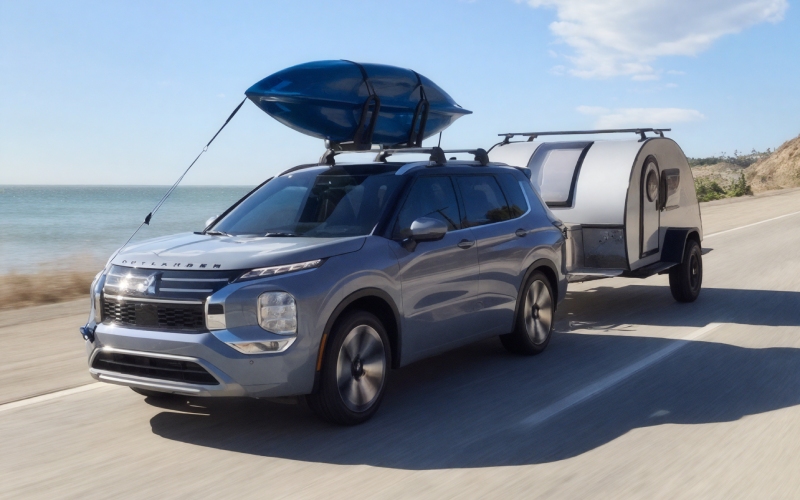
Peruzzi Mitsubishi – Does the 2026 Mitsubishi Outlander offer S-AWC for Levittown, PA drivers?
The short path from suburban streets to highways around Bucks County demands stability, traction, and calm road manners—qualities the 2026 Outlander delivers with available S-AWC (Super All-Wheel Control). If you’re weighing whether to choose 2WD or opt for S-AWC, here’s a clear, local-friendly guide to how the system works and why it matters for everyday driving in and around Levittown, PA.
S-AWC isn’t a simple on-or-off AWD. It’s an integrated control system that coordinates traction and stability to help the Outlander track cleanly in corners and stay composed on uneven or slick surfaces. In practical terms, S-AWC can help reduce wheel slip when you accelerate from a stop on a damp morning, maintain confident balance as you take a sweeping on-ramp, and keep the SUV feeling settled when lane changes happen on grooved or patched pavement. It’s the kind of assist that fades into the background when you don’t need it—and shows up with grace when you do.
What S-AWC Does Differently
Where basic AWD systems route power front-to-rear, S-AWC layers additional control to support both straight-line traction and cornering stability. It works seamlessly with the Outlander’s drive modes—Normal, Eco, Tarmac, Gravel, Snow, and Mud (mode availability varies by configuration)—so you can tailor behavior to your route. Tarmac sharpens response for dry roads, Gravel and Snow prioritize sure-footedness on loose surfaces, and Mud helps in soft or rutted conditions. The result is subtle but tangible: smoother launches, steadier arcs through turns, and a reassuring sense of control when surfaces change.
It bears mentioning that S-AWC comes paired with a well-sorted chassis. The Outlander’s multi-link rear suspension, precise electric power steering, and 106.5-inch wheelbase combine to deliver a planted, predictable feel. S-AWC simply elevates that inherent balance when conditions get variable.
Which Trims Offer S-AWC?
The 2026 Outlander lineup gives you choice, with 2WD or S-AWC available across key trims. That flexibility lets you prioritize budget, equipment, and traction confidence on your terms. Even 2WD models benefit from selectable modes like Tarmac, Gravel, Snow, Normal, and Eco, while S-AWC adds expanded control for a broader range of conditions, including Mud on applicable configurations. If your routine includes year-round commuting, weekend getaways that occasionally venture onto dirt or gravel, or simply a desire for the calm confidence of extra traction, S-AWC is an easy box to check.
Beyond traction, the Outlander offers a thoughtful safety and technology package that pairs beautifully with S-AWC. Blind Spot Warning w/ Lane Change Assist, Rear Cross Traffic Alert, Rear Automatic Emergency Braking, and available Multi-View Camera System help build a 360-degree awareness bubble. Inside, a standard 12.3″ Smartphone-link Display Audio with Navigation—and wireless Apple CarPlay and wireless Google Android Auto—keeps your daily drive organized and distraction-light.
How It Feels On Local Roads
On the stop-and-go segments of Route 13 or the flowing merges onto I-95, you’ll feel S-AWC most in how steady and composed the Outlander remains under throttle and through lane changes. Leave it in Normal for daily errands, try Tarmac on a clear, dry morning to feel the difference in response, and switch to Gravel or Snow for low-traction segments—like unpaved access roads or freshly fallen slush in a big parking lot. The point isn’t to reinvent how you drive; it’s to back you up when the surface or conditions aren’t perfect.
Pair that with the cabin’s premium touches—available Dynamic Sound Yamaha® Ultimate (12 speaker), heated front seats on select trims, and dual-zone automatic climate control—and you get an SUV that’s supportive, quiet, and composed in the moments that matter most.
Who Should Choose S-AWC?
If your commute blends surface streets and highway stints, you want extra peace of mind in poor weather, or you occasionally travel on gravel paths to parks, fields, or trailheads, S-AWC is worth it. Consider it an everyday confidence booster rather than a specialty tool—one that helps keep the Outlander calm and predictable when the route is not.
Peruzzi Mitsubishi is serving Levittown, Bristol, and Langhorne with hands-on, trim-by-trim guidance so you can feel the difference yourself and choose with clarity.
Test-Driving S-AWC: A Simple Plan
To evaluate S-AWC, ask for a loop that includes a low-speed neighborhood segment, a highway merge, and a short stop at a busy lot. Toggle between Normal and Tarmac on a dry stretch, and, if possible, sample Gravel in a safe, low-traction area. You’ll experience how the Outlander settles into a steady rhythm—less wheel hop on rough patches, more composure through curves, and a confident launch from a stop.
- Neighborhood start: Note low-speed ride quality and steering feel over patched pavement.
- Highway merge: Feel stability as you accelerate and change lanes.
- Parking lot check: Use the available Multi-View Camera System to sense how easily you can maneuver in tight spaces.
- Mode sampling: Try Normal, Tarmac, and Gravel (where safe) to appreciate the subtle changes in response.
Frequently Asked Questions:
Is S-AWC always on?
S-AWC operates seamlessly in the background, coordinating traction and stability systems. You can influence its behavior via selectable drive modes, but its smarter control is continuously available to support traction and balance.
Do I need S-AWC if I drive mostly on dry roads?
Many drivers love the Outlander in 2WD for its efficiency and value, but S-AWC adds a layer of calm capability for sudden rain, loose surfaces, or full-family road trips. If you appreciate extra stability and versatility, it’s a worthwhile upgrade.
Does S-AWC change maintenance needs?
Routine service intervals stay sensible, and our certified technicians handle S-AWC systems without added hassle. Keeping tires properly inflated and evenly worn is the best way to support the system’s performance year-round.
When you’re ready, schedule a tailored test drive to feel how S-AWC complements the Outlander’s refined chassis and tech-forward cabin. We’ll walk you through trims, features, and drive modes so your decision feels as confident as the SUV you choose.
Request more 2026 Mitsubishi Outlander information
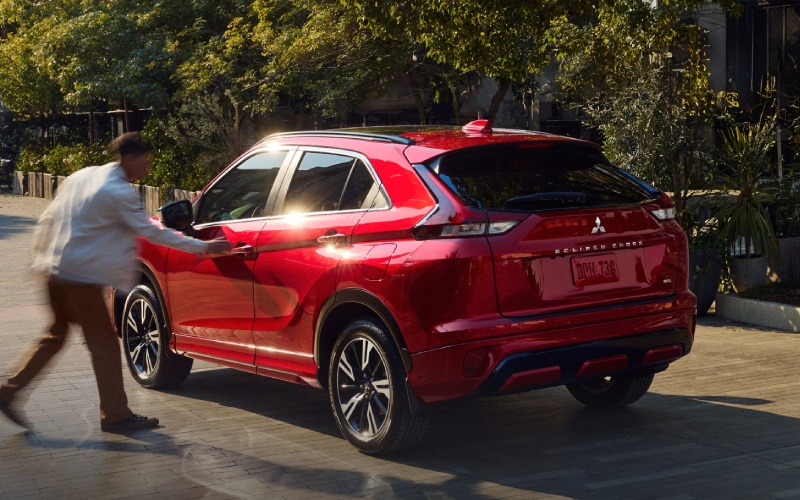
Peruzzi Mitsubishi – Why Levittown, PA Drivers Love S-AWC in the 2026 Mitsubishi Eclipse Cross
The 2026 Mitsubishi Eclipse Cross offers something Levittown, PA drivers notice almost immediately—confidence. That feeling starts with Super-All Wheel Control (S-AWC), standard on every trim, and carries through the crossover’s balanced suspension and approachable powertrain. If your weekly routine includes hopping onto Route 13, navigating Oxford Valley Road, and sliding into tight parking near shopping or parks, the Eclipse Cross delivers poise in the moments that matter most. This blog dives into S-AWC and the ways it elevates daily driving, plus a few practical tips to pick the right trim for your must-have features.
What S-AWC Does When the Road Gets Real
Unlike traditional all-wheel-drive systems that simply react when wheels slip, S-AWC is designed to help the Eclipse Cross feel stable and predictable before traction becomes a question. By coordinating power delivery side-to-side and front-to-rear, the system supports confident cornering and acceleration, especially on uneven pavement or mid-corner bumps—common in neighborhood streets around Levittown. Paired with the 1.5-liter turbocharged engine, it delivers smooth, measured power that feels more refined than the class norm.
- Stability focus: S-AWC works to reduce wheelspin and understeer in challenging situations
- Predictable handling: Consistency in steering feel helps you place the vehicle accurately
- Every-trim coverage: No guesswork—S-AWC is standard across the Eclipse Cross lineup
- Balanced comfort: Suspension tuning aims for calm ride quality over patched and aging pavement
What you feel behind the wheel is a crossover that tracks straight, settles quickly after bumps, and gives you steady traction when you roll back on the throttle. It is not about chasing lap times; it is about seamless control that makes everyday driving less stressful.
Interior Tech That Works With You
A confident chassis is only half the equation. Inside, the Eclipse Cross keeps your essentials within easy reach. The available larger touchscreen places navigation and music front and center, while Bluetooth and smartphone integration help you stay connected on your terms. Choose from comfortable fabric seating or available leather-appointed surfaces on SEL for a more premium vibe. Families, commuters, and weekend explorers will appreciate how the rear seat space works for adults and how the cargo area accepts bulky items without a fight.
- Handsfree Power Tailgate: Available for easy loading when your hands are busy
- Mitsubishi Connect: Mitsubishi Connect with Safeguard And Remote Services And 24-Month Trial (Enrollment Required)
- Power seating: Available 8-way power adjustable driver seat for long-haul comfort
- SE Pano: Panoramic roof on SE Pano trims adds open, natural light to the cabin
Tech should remove steps—not add them. That is the approach here. The result is a cabin that feels simple, modern, and tailored to how you actually drive.
Safety Systems You Will Actually Use
Safety is more than a spec sheet—what matters is how features behave in the moments you need them. Standard Forward Collision Mitigation with Pedestrian Detection and Lane Departure Warning form an easy-to-trust foundation. Available Blind Spot Warning with Lane Change Assist and Rear Cross Traffic Alert add useful awareness in traffic-dense areas or busy shopping center lots. On SEL, the available Multi-View Camera System helps you see more around the vehicle, a real advantage in tighter Levittown parking situations where curbs, posts, and pedestrians share space.
- FCM with Pedestrian Detection: Standard forward awareness designed to help you react
- LDW: Lane cues to help you maintain a steady track
- BSW with LCA and RCTA: Available alerts for blind spots and cross traffic
- Multi-View Camera System: Available panoramic view for parking and tight maneuvering
Combine these systems with the calm composure of S-AWC, and the Eclipse Cross builds a strong case for everyday safety and confidence.
Which Trim Should You Choose?
Choosing between trims often comes down to the features you will use every day. Start with S-AWC—it is standard. From there, ask yourself which comfort and convenience items matter most for your routine in and around Levittown. Do you want a brighter cabin and a premium vibe? Consider SE Pano. Prefer advanced parking help and leather-appointed seating? Look at SEL. Want the distinctive, sportier look? Black Edition adds unique exterior details and interior touches.
- ES: A smart foundation with key safety features and S-AWC
- SE: Adds comfort upgrades, available driver-assistance alerts, and connected services
- SE Pano: SE content plus panoramic roof for a more open cabin feel
- Black Edition: Bold exterior accents and unique interior details
- SEL: Leather-appointed seating surfaces, available Multi-View Camera System, and elevated convenience
- SEL Touring: Top-trim comfort for drivers who want the most amenities
No matter which route you choose, the core driving character remains consistent—calm, surefooted, and easy to live with.
Warranty Peace of Mind
One of the Eclipse Cross advantages many Levittown shoppers appreciate is the warranty coverage. An industry-leading 10-year/100,000-mile Powertrain Limited Warranty pairs with 5 years of 24-Hour Roadside Assistance and standard 2-Year/30,000-Mile Limited Maintenance. That long-term backing fits drivers who plan to keep their vehicles for many years and want confidence in the investment.
Frequently Asked Questions:
Is S-AWC really standard on every 2026 Eclipse Cross?
Yes. Super-All Wheel Control (S-AWC) is standard across the lineup, so you do not need to step up a trim to get it.
Which trims offer the most driver assistance features?
SE adds available Blind Spot Warning with Lane Change Assist and Rear Cross Traffic Alert, while SEL offers the available Multi-View Camera System for enhanced parking visibility.
What does Mitsubishi Connect include?
Mitsubishi Connect with Safeguard And Remote Services And 24-Month Trial (Enrollment Required) provides connected features that can add convenience and support, such as remote services and available emergency assistance functions.
How is the Eclipse Cross for everyday comfort?
It is tuned for a quiet and comfortable ride, with available 8-way power adjustable driver seating, an airy SE Pano roof option, and a rear seat that fits adults comfortably.
Is the 2026 Eclipse Cross a good fit for Levittown driving?
Yes. Standard S-AWC, composed suspension tuning, and useful driver aids make it well-suited to local roads, commuting patterns, and parking scenarios across Levittown and nearby corridors.
For shoppers who value easy confidence on the road, thoughtfully chosen tech, and long-term warranty coverage, the 2026 Mitsubishi Eclipse Cross checks the right boxes. It is the kind of crossover that rewards you with calm control when the drive gets busy, and with simple convenience features when you are juggling errands or weekend plans. If you are mapping out your search, Peruzzi Mitsubishi is ready to help you compare trims, explore connected services, and schedule a test drive that puts S-AWC to work on your favorite routes—serving Trenton, Cherry Hill, and Levittown.
Request more 2026 Mitsubishi Eclipse Cross information
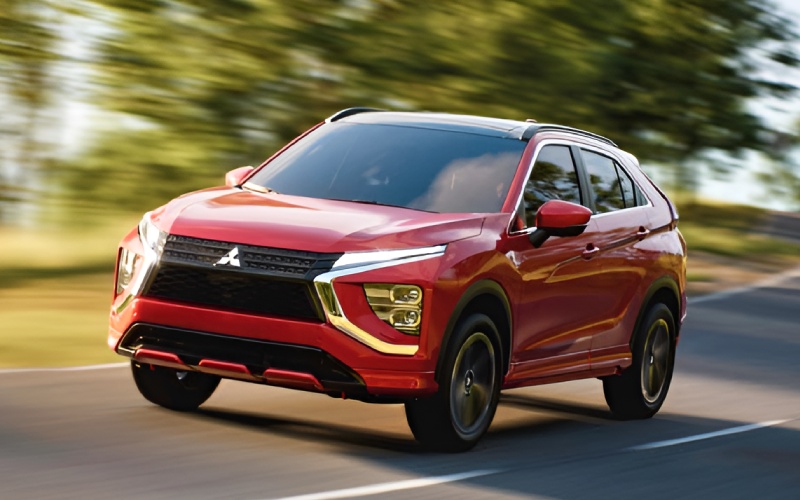
Peruzzi Mitsubishi – Which AWD system suits city-to-suburb driving in Philadelphia, PA better — 2026 Mitsubishi Eclipse Cross or 2026 Hyundai KONA?
Shoppers across the Delaware Valley often ask a simple question that turns out to be surprisingly complex: Which compact SUV delivers more confident all-weather control for city-to-suburb life—2026 Mitsubishi Eclipse Cross or 2026 Hyundai KONA? Both are compelling, but they approach traction and stability differently. The Eclipse Cross makes all-wheel confidence standard with Super-All Wheel Control (S-AWC) on every trim. KONA, by contrast, offers HTRAC AWD on select configurations; it’s very capable, but it’s a choice you have to make and may not find on every vehicle you test-drive on a given day. If you commute between neighborhoods, shopping centers, and office parks, and occasionally head into Center City or out toward the Princeton-Trenton corridor, having the same traction story across all trims can be the deciding factor.
What S-AWC does differently
On Eclipse Cross, S-AWC coordinates traction and stability systems to send power where grip exists and brake where rotation needs to be checked. It’s not just all-wheel drive in a traditional sense; it’s a layer of predictive control that makes quick course corrections feel natural. That means steady pullaways on damp paint stripes, confidence through mildly rutted side streets, and better balance when a lane change coincides with a mid-corner bump. KONA’s HTRAC AWD is a strong performer—especially with the available 1.6L turbo and 8-speed automatic—but its availability varies by trim, and its tuning focuses more on traction response than on the integrated feel S-AWC is known for.
Real life isn’t a closed-course test. It’s alleyway snow ridges after a plow pass, slick leaves, fresh rain on old asphalt, and sudden stops when a ball bounces into the road. That’s where Eclipse Cross’s calm, predictable behavior stands out. The chassis is comfort-tuned to keep chatter out of the cabin, and the drivetrain’s smooth power delivery helps S-AWC do its job without drama. You sense the stability, but you don’t have to manage it—it just happens in the background.
Daily drivability, parking, and visibility
City-to-suburb living means navigating tight parking angles, parking garages with odd pillars, and parallel spots that tempt curb rash. Eclipse Cross answers with an available Multi-View Camera System, giving you a 360-degree view that makes precise maneuvers less stressful. KONA’s Surround View Monitor, available on Limited, offers a similar advantage and pairs nicely with features like Blind-Spot View Monitor. Both SUVs provide strong visibility and lighting; Eclipse Cross emphasizes clear sightlines and available LED headlamps, while KONA’s sleek front lighting and modern instrument display reinforce its tech-forward vibe.
Comfort and technology that genuinely help
Eclipse Cross complements its traction advantage with available features that matter after a long day: leather-appointed seating surfaces, heated steering wheel, and an 8-way power passenger seat on upper trims. Mitsubishi Connect with Safeguard and Remote Services (enrollment required) adds remote access convenience, while intuitive infotainment keeps the learning curve short. KONA ups the ante with a 12.3-inch display and wireless smartphone integration on every trim. Both keep you connected and protected, but the Eclipse Cross doubles down on everyday ease—less fiddling, more driving—especially when you just want to get home from a late game or evening shift.
- Year-round traction expectation: Eclipse Cross makes S-AWC standard, so every test drive matches what you’ll own; KONA’s HTRAC AWD is available by trim.
- Low-speed confidence add-ons: Both offer a 360-degree camera system on upper trims; Eclipse Cross pairs that with S-AWC for planted maneuvering.
- Comfort that pays off: Eclipse Cross adds available leather-appointed seating and an 8-way power passenger seat to reduce fatigue on longer loops.
Ultimately, both vehicles are smart picks. If your top priority is a consistent traction story—one that shows up on base to top trims and feels the same every time—Eclipse Cross has the edge. If you value a larger central screen and features like Remote Smart Parking Assist on KONA Limited, Hyundai makes a strong case. The best answer comes from a back-to-back drive over your actual routes, from neighborhood streets to your normal freeway merge.
How to test them fairly
Plan a loop that includes damp side streets, a quick stop-and-go run, and at least one tight parking maneuver. Try gentle throttle applications from rest and a few mid-corner adjustments to sample each SUV’s composure. Listen for cabin hush over expansion joints and gauge how naturally the driver-assistance features intervene. Then park in a spot that usually makes you work—use the camera systems on both vehicles and see which one gives you the view you prefer.
As you compare, note that the Eclipse Cross’s S-AWC operates on every trim the same way—no guessing if the vehicle you’re testing is different from the one you plan to buy. KONA’s HTRAC AWD is strong but requires choosing the right configuration; if the exact trim you test lacks it, your impressions may not translate to an AWD model. That consistency is why many local shoppers give the Eclipse Cross an advantage in everyday confidence.
Frequently Asked Questions:
Does S-AWC make a difference in everyday city driving?
Yes. Even in dry conditions, S-AWC’s subtle torque distribution and stability control coordination help the Eclipse Cross feel planted during quick merges, lane changes, and tight turns—situations you meet daily in and around Philadelphia, PA.
Is KONA’s available HTRAC AWD good enough for my needs?
For many drivers, yes—HTRAC AWD is capable and confidence-inspiring. The key is ensuring the KONA you select is equipped with it; the Eclipse Cross removes that uncertainty by making S-AWC standard across every trim.
Which is easier to live with for tight parking?
Both offer a 360-degree camera on upper trims. Eclipse Cross’s Multi-View Camera System and clear sightlines make small, angled spaces feel approachable, while KONA’s Surround View Monitor and Blind-Spot View Monitor are excellent in crowded lots.
For a test drive that mirrors your commute and errands, schedule a visit with Peruzzi Mitsubishi—serving Philadelphia, Trenton, and Cherry Hill—and plan a route that reflects your real life. A few miles behind each wheel will reveal which compact SUV better suits your day-to-day rhythm.
Request more 2026 Mitsubishi Eclipse Cross information
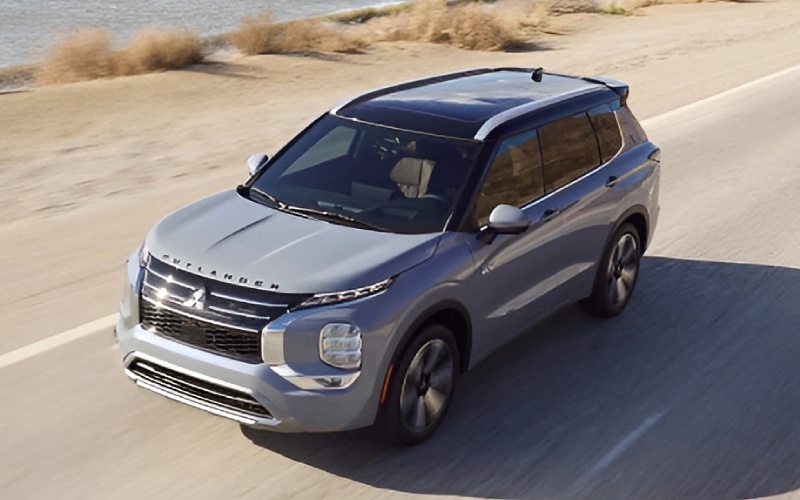
Peruzzi Mitsubishi – Which PHEV SUV charges faster for daily life around Philadelphia, PA — the 2026 Mitsubishi Outlander Plug-In Hybrid or the 2026 Kia Sportage Plug-in Hybrid?
The most frequent question shoppers ask when comparing these two plug-in SUVs is straightforward: which one gets me back on the road faster when I need a quick top-up? The core difference comes down to charging hardware. The 2026 Mitsubishi Outlander Plug-In Hybrid offers Level 1 and Level 2 AC charging and, on select trims, DC Fast Charging that can add meaningful range in under 30 minutes. The 2026 Kia Sportage Plug-in Hybrid supports Level 1 and Level 2 AC charging at home or public stations, but it does not add DC fast charging to its capability set. For drivers who occasionally need a rapid charge between errands, practices, and meetings, that single detail can be a week-in, week-out time saver.
In everyday Philadelphia driving, the Outlander Plug-in Hybrid’s electric-first tuning and larger battery make short commutes and city hops feel serene and effortless. Many drivers complete their weekday routines on electric power alone, then lean on the gasoline engine for longer weekend routes. The Sportage Plug-in Hybrid is a pleasant, tech-forward compact that also runs happily on home charging rhythms; if your schedule rarely calls for public charging, its AC-only setup might be all you need. But when life throws you a curve — last-minute pickup on City Avenue, a longer-than-planned trek to the Navy Yard, or a cross-river detour — the Outlander Plug-in Hybrid’s DC fast-charge capability gives you options.
How charging speed shapes real life
Even if you plug in mostly at home, faster public charging opens more flexible daily planning. With the Outlander Plug-in Hybrid, a 20.0 kWh drive battery and DC fast-charge option on select trims make it possible to reclaim range during a coffee stop. The result is less “range watching” and more “go do the thing.” The Sportage Plug-in Hybrid’s AC-only approach can still be a perfect fit for consistent home charging, but it requires a bit more foresight if you expect to rely on public power in a pinch.
- Home base charging: Both models work seamlessly on Level 1 overnight or Level 2 for faster daily top-ups.
- Public charging flexibility: Outlander Plug-in Hybrid adds DC Fast Charging on select trims; Sportage Plug-in Hybrid uses AC only.
- Electric-first daily rhythm: Outlander Plug-in Hybrid targets electric miles with up to an EPA-estimated 45 miles of EV-only driving; Sportage Plug-in Hybrid offers an EPA-estimated 34 miles.
Beyond charging: performance and confidence
Charging is only part of the story. The Outlander Plug-in Hybrid’s Twin Motor S-AWC (Super-All Wheel Control) and terrain-focused drive modes deliver immediate, balanced traction in rain-slick city streets or on uneven neighborhood cut-throughs. Mitsubishi’s MI-PILOT Assist™ with Navi-link blends Adaptive Cruise Control with Lane Keep Assist and more, taking the edge off longer I-95 stretches. Kia counters with standard AWD, Terrain Mode, and available Highway Driving Assist 2 for a well-rounded compact PHEV experience. Both offer premium audio options — Dynamic Sound Yamaha® in Mitsubishi and Harman Kardon® in Kia — plus Wireless Apple CarPlay® and Android Auto™ connections to bring your apps into view.
- Map your weekday: Identify where you might lean on a quick public charge.
- Evaluate trim content: DC Fast Charging is included on select Outlander Plug-in Hybrid trims; look for that box checked.
- Plan your home setup: A 240V Level 2 charger maximizes convenience for either SUV.
What about space and flexibility?
If your life includes teammates, grandparents, or the occasional double-carpool, the Outlander Plug-in Hybrid’s seven-passenger layout is a genuine advantage. Fold-flat flexibility and a third row that’s there when you need it help this PHEV do weekday chores and weekend plans without switching vehicles. The Sportage Plug-in Hybrid is a compact, two-row SUV with smart storage and easy maneuverability — a great fit for urban parking and narrow streets. Consider how often you fill seats and what your after-school and weekend rhythms look like; the broader your demands, the more the Outlander Plug-in Hybrid shines.
Frequently Asked Questions:
Can I rely on public charging if I forget to plug in at home?
Yes. With DC Fast Charging on select trims, the Outlander Plug-in Hybrid can add meaningful range in under 30 minutes, ideal for a quick lunch stop. The Sportage Plug-in Hybrid supports AC charging only, so plan a bit more time if you’ll charge away from home.
Does faster charging affect daily battery health?
Both vehicles are engineered with battery safeguards. Using a mix of home Level 2 top-ups and occasional DC fast charging on the Outlander Plug-in Hybrid balances convenience with long-term care. Always follow manufacturer guidance for best practices.
What if I almost never use public chargers?
If your routine is predictable and you consistently plug in at home, either model can fit well. The Outlander Plug-in Hybrid simply keeps an extra card up its sleeve with DC fast charging when plans change.
Bottom line: if quick public charging and maximum flexibility matter to you, the 2026 Mitsubishi Outlander Plug-in Hybrid is the faster-charging choice and the more adaptable everyday partner. If your schedule is steady and AC charging covers your needs, the 2026 Kia Sportage Plug-in Hybrid remains a comfortable, capable compact alternative. For help matching features and trims to your routine, Peruzzi Mitsubishi is happy to walk you through charging setups, connectivity, and driver-assistance technologies — serving Philadelphia, Trenton, and Cherry Hill — so you can choose with clarity.
Request more 2026 Mitsubishi Outlander Plug-In Hybrid information
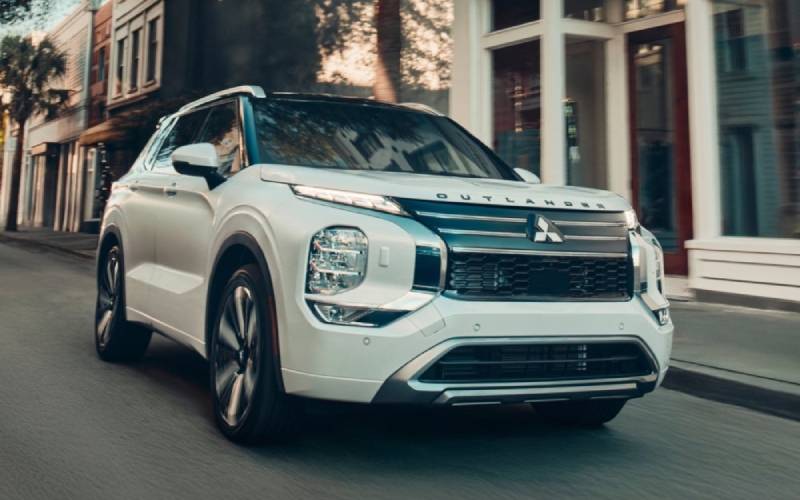
Peruzzi Mitsubishi – Which SUV has the better all-weather traction for daily driving around Philadelphia, PA — the 2026 Mitsubishi Outlander or 2026 Kia Sorento?
What shoppers want to know about traction and everyday confidence
Ask local SUV shoppers what matters most on their weekday routes and you’ll hear a consistent theme: predictable traction when conditions are mixed and traffic is busy. That’s exactly why we’re unpacking the 2026 Mitsubishi Outlander and 2026 Kia Sorento systems through the lens of real-world use around Philadelphia, PA. On paper, both offer advanced drivetrains, driver-assistance features, and a smart slate of drive modes. In practice, the tuning philosophy and user-friendly details can shape the confidence you feel every time you merge, pass, or edge into a tight parking space. If your search is “which SUV has better all-weather traction for daily life,” you’re already asking the right question.
Outlander’s available Super All-Wheel Control (S-AWC) is the standout difference. Rather than simply sending power to the rear when the front wheels slip, S-AWC manages torque and braking at each wheel to maintain stability and control across multiple surfaces. With selectable modes like Tarmac, Gravel, Snow, Normal, and Eco—plus Mud on specific S-AWC trims—drivers can tailor responses to what they see through the windshield. It’s a system born from Mitsubishi’s decades of traction engineering, and it shows up in small but important ways: smoother pullaways on wet paint stripes, calmer behavior on broken pavement, and reassuring stability as you arc onto short on-ramps.
How does Sorento’s AWD with Terrain Mode compare day to day?
Kia’s approach is also competent. Sorento’s available AWD with Terrain Mode adds Snow, Mud, and Sand settings, helping to optimize traction for common low-grip surfaces. It’s responsive, and when paired with modern driver assistance, the package can be quite capable. But on rain-soaked city streets, crowned back roads, or patchwork asphalt, the Outlander’s S-AWC fine-tuning often feels more composed. The nuance here isn’t about raw power—it’s about how naturally the vehicle manages changing traction so you can relax and focus on traffic around you.
It’s worth noting how technology supports the traction story. Outlander’s available 360° Multi-View Camera System makes threading into narrow street parking less stressful, and the available 10.8-inch Head-Up Display helps keep key data in your forward line of sight. Standard Wireless Apple CarPlay® and Wireless Android Auto™ ensure you don’t fumble with cables in the rain. The available Dynamic Sound Yamaha® Ultimate audio system adds thoughtful touches like Rain Compensated Volume that keeps your music consistent while the wipers work—one more way Mitsubishi sweats the ownership details.
What about family practicality when the weather turns?
Traction systems matter, but so do small conveniences that make life easier when it’s damp or blustery. Outlander’s available kick-motion sensor for the power liftgate is incredibly helpful when your hands are full of groceries, sports bags, or umbrellas. Standard 7-passenger seating and the versatile 40:20:40 second row deliver layout flexibility for errands and weekend plans. Both SUVs offer ample safety tech, but Outlander also brings 11 airbags and helpful features like Tire Fill Notification, a stress-saver when temperature swings trigger low-pressure alerts overnight.
Sorento counters with an available Surround View Monitor, Blind-Spot View Monitor, and Highway Driving Assist 2. Those are valuable on the highway and in dense traffic, and they’re a credit to Kia’s strong safety focus. For many owners, the choice comes down to which SUV nails the most moments in a typical day: navigating slick side streets, inching into tight urban spaces, and hopping across bridges when a quick storm rolls through. On that score, Outlander’s underlying traction logic and thoughtful ergonomics give it the edge.
Owner-oriented advantages you’ll notice all year
Mitsubishi doesn’t stop with drivetrain tuning. America’s Best-Backed Vehicles coverage includes a 10-year/100,000-mile Powertrain Limited Warranty plus 2-Year/30,000-Mile Limited Maintenance. That additional maintenance coverage is a meaningful differentiator in the all-in cost of ownership. Inside, standard Wireless Apple CarPlay®/Android Auto™ reduces clutter, and the available Dynamic Sound Yamaha® Premium or Ultimate systems offer serious acoustic engineering—tuned by Yamaha® Sound Meisters—to keep the cabin calm and engaging even as the world outside gets messy. Add details like available power folding mirrors and headlight washers, and the everyday polish is unmistakable.
- Traction tuning that inspires confidence: S-AWC manages torque and braking across all four corners for poised, predictable grip on wet or broken pavement.
- Driver-focused technology: Available 10.8-inch Head-Up Display and 360° Multi-View Camera System make complex traffic and tight parking simpler.
- Conveniences that matter in foul weather: Available kick-motion sensor liftgate and Rain Compensated Volume in the Yamaha® audio keep your routine smooth.
Of course, a test drive is the best way to feel the difference. One spin through mixed city streets and a short highway loop typically reveals how natural and settled the Outlander feels when surfaces change quickly. That’s the hallmark of a traction system engineered for the real world, not just the spec sheet.
Frequently Asked Questions:
Does S-AWC make a difference if I mostly drive on paved roads?
Yes. S-AWC’s value shows up on everyday surfaces—wet manhole covers, paint stripes, uneven patches, and crowned roads—where subtle grip changes can unsettle vehicles without finely tuned control systems.
Can the Sorento’s AWD with Terrain Mode handle snow and slush?
It can. Sorento’s Snow setting is useful, and its broader assist suite is effective. The difference is how Outlander’s S-AWC seamlessly balances torque and braking to keep the vehicle composed as conditions vary corner to corner.
Is there a real-world benefit to Outlander’s Yamaha® audio features in bad weather?
Absolutely. The system’s Rain Compensated Volume adjusts for wiper noise, while Speed Compensated Volume maintains clarity as road and wind noise fluctuate—small touches that reduce fatigue on longer drives.
If you’re comparing these two SUVs with an eye toward traction and confidence in the rain or slush, the Outlander’s S-AWC and driver-centric details tilt the verdict. Visit a trusted resource to feel it firsthand—Peruzzi Mitsubishi is here to help you sort features and trims in a low-pressure, informative way, serving Philadelphia, Trenton, and Cherry Hill with expertise you can count on.
Request more 2026 Mitsubishi Outlander information
Peruzzi Mitsubishi – How to Tell It’s Time for Brake Pad and Rotor Replacement in Levittown, PA
Brakes do more than stop your vehicle—they shape your confidence every time traffic compresses on the Schuylkill or Broad Street. If you are wondering when to replace brake pads and whether your rotors can be resurfaced or need to be replaced, this guide walks through the signs, measurements, and decisions that keep you safe on Levittown’s busiest corridors. We will also explain how thoughtful tire care supports consistent braking, helping you avoid the shake, squeal, or pull that creeps in over time.
Why brake wear happens faster around Levittown
Between the frequent lights, steep ramps on I-76, and quick merges on I-95, brakes absorb constant heat cycles. Every stop transfers a little pad material to the rotor surface. Done right, this creates a uniform “transfer layer” that promotes smooth, quiet braking. Done under heavy heat or uneven pressure, it forms high and low spots that feel like pulsation through the pedal or steering wheel. Add a hard pothole or curb strike and you can introduce slight rotor runout, which amplifies vibration and shortens pad life. That is why symptom-based inspections matter as much as mileage-based intervals in city driving.
Pad wear varies by driver and route, but many urban commuters need front pads earlier than rear pads, thanks to weight transfer during braking. Heavy cargo, roof boxes, or frequent passengers push timelines forward as well. Rather than guessing, ask for a wheel-off inspection where pad thickness is measured in millimeters, rotors are miked against the factory minimum, and caliper slide pins are checked for free movement.
Clear signs you should schedule brake service
If your brakes are talking—or shaking—listen. You can quickly triage urgency with simple checks, then book a professional inspection before minor issues become costly repairs.
- High-pitched squeal at low speeds: Often a wear indicator tab contacting the rotor—time to inspect pad thickness.
- Grinding or scraping: Pad material may be gone, exposing the backing plate—stop driving and schedule service immediately.
- Vibration at highway speeds: Likely rotor thickness variation or uneven pad deposits—requires rotor measurement and correction.
- Softer or longer pedal travel: Could indicate fluid degradation or air in the system—test moisture content and consider a flush.
- Pulling left or right: Possible caliper slide binding, uneven pad wear, or alignment issues—inspect calipers, pads, and suspension.
Do not forget the warning lights. If the ABS or brake light illuminates, a scan for diagnostic trouble codes can pinpoint issues ranging from wheel-speed sensors to hydraulic concerns. The light is your cue to schedule an expert review, not something to ignore until it becomes a roadside problem.
Rotor resurfacing vs. replacement—how technicians decide
Rotors do not need automatic replacement with every pad service. The right call depends on thickness, surface condition, heat history, and runout. A technician will mic the rotor at multiple points and compare the reading to the manufacturer’s minimum thickness. If the rotor can be resurfaced (turned) while remaining above minimum thickness—and if the surface cleans up evenly—resurfacing is often a smart, cost-conscious choice. If the rotor is already near the limit, shows deep scoring, or has severe hotspots, replacement is safer and typically delivers better pedal feel.
Runout matters too. Even a clean rotor can vibrate if it is not running true. Proper hub cleaning, correct lug torque using a torque wrench, and indexing the rotor position are crucial steps to prevent that “brake shake” from returning days after service. Ask your shop to document measurements—thickness before and after machining, and final runout—so you know the job was done methodically.
Brake fluid deserves attention as well. Moisture sneaks in over time, lowering the boiling point and contributing to a spongy pedal after repeated stops. Many city drivers benefit from fluid testing at each service and a full flush every two to three years, sooner if you tow or regularly drive hilly routes.
Tires and alignment play a supporting role. Uneven tread wear can mimic brake vibration, extend stopping distances, and push the ABS to intervene earlier. Rotating tires every 5,000 to 7,500 miles and scheduling a four-wheel alignment after hard hits protects both braking performance and tire life.
Frequently Asked Questions:
What pad thickness is considered “time to replace”?
Many shops recommend replacement around 3 mm to 4 mm of friction material remaining. If you hear squealing or feel vibration before then, get an earlier inspection.
Why do my brakes shake only when slowing from highway speeds?
That pattern points to rotor thickness variation or uneven pad deposits that become noticeable under higher kinetic loads. Measurement and either resurfacing or replacement typically resolve it.
Can I replace just the pads?
Sometimes, yes. If rotors are within spec, flat, and free of hotspots, pads alone may be appropriate. However, pairing new pads with poor rotor surfaces can lead to noise or pulsation returning quickly.
How long do pads last in city driving?
It varies widely—anywhere from 20,000 to 50,000 miles based on traffic patterns, cargo, speed, and driving style. City routes with frequent stops trend toward the lower end.
Do EVs need brake service less often?
Regenerative braking reduces pad use, but EVs still need periodic pad, rotor, and fluid inspections to ensure safe emergency stops and prevent corrosion.
Where can I get expert Mitsubishi brake service nearby?
Our Service & Parts Facility is at 49 Spencer Avenue in Fairless Hills, PA, a quick ride for many Levittown drivers seeking factory-trained technicians and OEM-spec parts.
When you are ready for an inspection, bring a short list of your symptoms—speeds when you feel vibration, noises heard, and whether the steering wheel moves under braking. Sharing route details helps a technician reproduce and isolate the condition efficiently. Context ensures the solution targets your daily driving reality rather than a generic test drive.
If you want a thorough, measurement-driven approach to pads, rotors, and brake fluid—along with careful tire rotation and alignment support—our team is here to help. Schedule online or call the Service & Parts line to reserve a time that fits your week. At Peruzzi Mitsubishi, we focus on clear explanations, OEM-quality components, and consistent results that restore your confidence when traffic tightens and every foot matters. Keeping your braking system healthy today prevents bigger repairs tomorrow—and makes every mile feel calm, predictable, and safe.
Request more information
Peruzzi Mitsubishi – OEM Mitsubishi Parts Fitment Guide and Quick Pickup in Trenton, NJ
If you live or work in Trenton, you know how daily trips along U.S. 1, Route 29, and I-295 can put real demands on brakes, tires, and batteries. The best way to keep your Mitsubishi performing like new is to choose components engineered for your exact trim and model year. This guide explains how to verify OEM fitment, which parts to bundle for a complete repair, and how to plan a quick pickup from our Fairless Hills parts counter just across the Delaware River. With the right prep, you can avoid returns, save time, and finish your repair right the first time.
Start with your VIN to guarantee fit
Your 17-character VIN is the single most powerful tool for accurate Mitsubishi parts ordering. It locks in engine, drivetrain, production date, and option packages, so superseded part numbers and mid-year changes do not trip you up. Before you call or submit an online form, have your VIN ready from the windshield base or door jamb label.
- Find the VIN on the driver-side dashboard plate or the door jamb certification label.
- Note trim and options such as S-AWC, towing package, or wheel size.
- Describe symptoms or the job you are tackling, like brake pulsation or cabin odor.
- Confirm if you want OEM or a vetted aftermarket alternative for budget or timing.
- Ask about related hardware and fluids to finish the repair without rework.
With this info, our counter team will verify fitment, check live stock, and line up any non-stock items for quick arrival.
Bundle these components for complete brake jobs
Stop-and-go traffic in Trenton’s core and the quick merges near Olden Avenue and the Calhoun Street Bridge accelerate brake wear. When ordering, think system-level, not just pads.
- Pads and rotors: Matched friction and mass help prevent noise and pulsation on highway decelerations.
- Hardware kits: Fresh clips and shims keep pad movement precise and reduce squeal after a few thousand miles.
- Caliper service items: Guide pin boots and lubricant ensure even pad wear and stable pedal feel.
- Brake fluid: The DOT grade specified by Mitsubishi preserves ABS performance and boiling point.
Ordering these pieces together prevents road tests from uncovering new issues that force you back to the parts counter. We will confirm rotor diameter by VIN and spot any supersessions that matter for your production date.
Choose the right battery for reliable starts
Cold starts and short-hop city driving can expose weak batteries. Many Outlander and Eclipse Cross trims use specific group sizes and terminals, and some PHEV configurations require AGM chemistry for proper charging behavior. Bring your VIN and we will match capacity, post orientation, hold-down style, and venting needs. If your vehicle has sporadic warning lights or slow window lifts, a battery test can save you from a no-start surprise after a long day downtown.
Tires and alignment basics for smoother miles
You will feel the difference between a correctly spec’d tire and a guess. Start with the tire label on your door jamb for size, load index, and speed rating, then select a tread pattern that suits your routine—quiet, highway-stable touring rubber for daily I-295 runs or an all-weather design for mixed city and suburban errands. A professional mount and balance plus a fresh alignment protect ride quality and tread life, especially if curbing or potholes have nudged your suspension out of spec. Ask our team to stage hub-centric rings or new TPMS valve stems when appropriate to avoid last-minute delays.
Filters that keep Trenton air out of your cabin
Urban dust and pollen mean cabin air filters work hard. Swapping a Mitsubishi-approved filter protects your HVAC blower and restores airflow, which helps your defroster clear the glass faster on damp mornings by the river. If your fan is loud on higher speeds or a musty odor lingers after shutdown, a new cabin filter and a quick evaporator clean can transform your daily comfort.
Fast pickup from Fairless Hills to Trenton
Once we verify your parts list, we will confirm what is in stock and secure the rest quickly—many non-stock items arrive as soon as the next business day. Pickup is simple at our Service & Parts Facility at 49 Spencer Avenue, Fairless Hills, PA 19030, just a straightforward drive from Trenton via I-295 or U.S. 1. If you are coordinating a shop repair, ask about local delivery options to qualifying facilities. Our counter will also flag useful add-ons—clip kits, crush washers, or updated seals—so you do not pause mid-job for a missing piece.
EV and PHEV parts considerations
Outlander PHEV owners should make sure accessories like charge port covers, inlet gaskets, and correct-cold-spec coolant meet Mitsubishi standards. We will identify PHEV-specific service parts, confirm whether an AGM 12-volt is required, and coordinate installation with our certified technicians if you prefer professional support. Clear, VIN-verified parts planning keeps your electrified Mitsubishi running at its best.
Frequently Asked Questions:
Can you verify fitment for me before I order?
Yes. Provide your VIN and we will confirm the exact part number, any supersessions, and related hardware to avoid returns.
How quickly can you get a non-stock component?
For many Mitsubishi parts, we can secure delivery to our counter as soon as the next business day. We will confirm your timing at checkout.
Do you offer OEM and aftermarket choices?
We stock OEM Mitsubishi parts and select aftermarket alternatives. We will explain fit, performance, and warranty differences so you can decide confidently.
Can I have parts installed after pickup?
Yes. Our Mitsubishi-certified technicians can install any part we sell. Let us know if you want to pair your order with an installation appointment.
Is your location convenient for Trenton drivers?
Yes. We are a quick hop across the river in Fairless Hills, with straightforward routes from downtown Trenton and Ewing. Many customers plan pickup around errands near Philadelphia, PA as well.
Do you support Outlander PHEV components?
Absolutely. We match PHEV-specific parts, including AGM 12-volt batteries and charge port protections, and advise on service intervals appropriate for electrified systems.
When you are ready to order, bring your VIN and a brief description of your project. One conversation with our counter team can save you hours of back-and-forth. From brake kits and tires to filters and PHEV accessories, we will stage exactly what you need for a smooth repair and a quick pickup. Count on Peruzzi Mitsubishi for the right part, at the right time, with the guidance that keeps your Mitsubishi driving like it should near Philadelphia, PA.
Request more information
Peruzzi Mitsubishi – Living with the 2026 Mitsubishi Outlander Plug-In Hybrid in Levittown, PA — EV Range, Charging, and Everyday Versatility
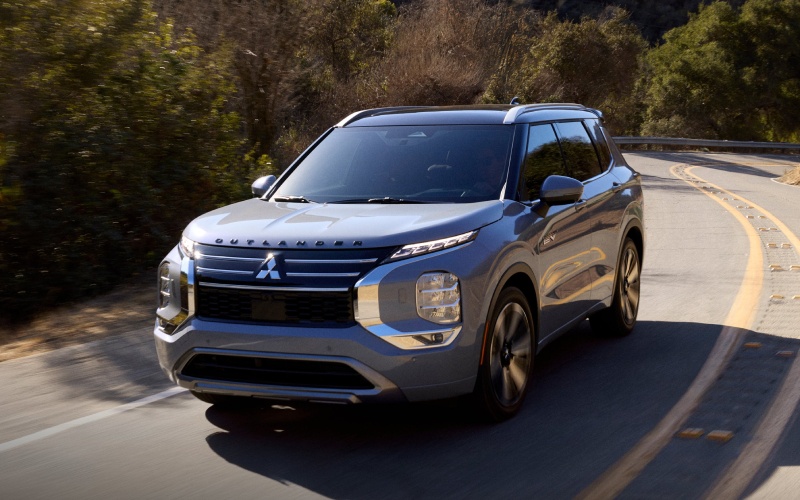
If you are curious how a plug-in SUV fits life in and around Levittown, PA, the 2026 Mitsubishi Outlander Plug-In Hybrid deserves a serious look. It pairs electric-first driving with real utility—twin-motor all-wheel traction, flexible three-row seating, and tech that keeps the daily routine smooth. Even better, it is easy to use whether you are charging at home overnight or topping off during an errand run near Oxford Valley.
The headline numbers speak to everyday convenience: up to an estimated 45 miles of EV-only driving for most in-town trips and school runs, with a total range up to 420 miles when you mix electric and gas power. That means if your daily route takes you along Woodbourne Road, down US-1, and across to errands off Veterans Highway, you can do much of it on electricity alone—quiet, responsive, and with far fewer stops to refuel. For many Levittown families, that adds up to a calmer commute and a meaningful reduction in day-to-day fuel use.
Charging at Home and Around Town
One of the best parts about the Outlander Plug-In Hybrid is how simple it is to charge. You can plug into a standard 120-volt outlet to recover range overnight, or install a 240-volt Level 2 charger for much quicker turnarounds. If you are out and about—grabbing a bite near Oxford Valley Mall, stopping at parks around Falls Township, or making a run to the grocery store—public Level 2 stations can add range while you shop. Planning a longer trip? The Outlander Plug-In Hybrid offers available DC Fast Charging, which can bring the battery up quickly, making it much easier to top off before hopping on I-295 or the PA Turnpike for a weekend drive.
There is no need to micromanage the system, either. Choose EV mode to prioritize electric motoring, use Save mode to preserve your battery for residential or stop-and-go sections, or select Charge mode when you want the engine to help replenish the battery on the move. The flexibility lets you tailor energy use to Levittown’s real driving patterns—short local loops during the week, then longer highway stretches for day trips to Yardley, New Hope, or down to the shore.
Twin Motor S-AWC: Confidence in Real Conditions
Levittown drivers see a wide variety of roads—from neighborhood streets with traffic calming to multi-lane corridors and ramps that reward confident merging. Mitsubishi’s Twin Motor Super-All Wheel Control (S-AWC) helps on all of them. Because each axle is powered by its own motor, response is fast and precise, with torque shifting instantly to where you need it. The result is sure-footed traction when pulling away from a stop, taking a tight turn onto a busy road, or maneuvering around slower traffic on US-1. The system constantly manages the driving and braking forces at each wheel to assist with acceleration, cornering, and braking, so the Outlander Plug-In Hybrid feels secure yet responsive in everyday use.
On top of that, the Drive Mode Selector lets you make quick adjustments for Normal, EV, Save, and Charge modes—plus terrain settings like Gravel, Snow, and Mud—so you can customize how the Outlander PHEV behaves on a variety of surfaces. It is reassuring for families who value extra control when road conditions are less than ideal or when you are managing a fully loaded cabin.
Room for Family, Friends, and Gear
Unlike many plug-in SUVs that limit you to two rows, the 2026 Outlander Plug-In Hybrid accommodates up to seven. The 40:20:40 split-fold second row makes cargo swaps easy, whether you are loading a stroller, groceries, or sports gear. When you need it, the third row provides practical extra seating for carpools to local schools or for kids’ activities around the Lower Bucks area. And thanks to available comforts like Triple-Zone Automatic Climate Control and ventilated front seats, the cabin can keep everyone comfortable even when plans change and the ride runs long.
Storage is cleverly integrated throughout the cabin, and loading is a breeze with the available Hands Free Power Liftgate and low cargo floor. Whether you are juggling bulk items from warehouse runs or packing for a weekend overnighter near Tyler State Park, the Outlander Plug-In Hybrid adapts quickly to the task at hand.
Tech That Makes the Day Easier
Inside, the technology is both familiar and advanced. The 12.3-inch Smartphone-link Display with Navigation reduces clutter while placing core functions—maps, media, calls, and settings—front and center. Wireless Apple CarPlay® and Android Auto™ remove the cable shuffle. For audio enthusiasts, the available Dynamic Sound Yamaha® Ultimate system is a standout, transforming the cabin into a rich listening space for podcasts, playlists, and longer drives. If you are backing into a tighter street spot or navigating a full parking lot, the available Multi-View Camera System offers crisp perspectives, and an available Digital Rearview Mirror maintains clear visibility even with a packed cargo area.
Driver assistance is equally comprehensive. Standard systems include Forward Collision Mitigation with Pedestrian Detection, Blind Spot Warning with Lane Change Assist, Rear Automatic Emergency Braking, and Automatic High Beam. Available MI-PILOT Assist™ w/ Navi-link adds highway help by assisting with speed, following distance, and lane centering on well-marked roads—a welcome layer of support on I-295 or when traffic stacks up during rush hour.
Power Where You Need It
The Outlander Plug-In Hybrid also offers available 1500W AC outlets in the rear seat area and trunk. That is genuinely useful for Levittown life—powering small appliances at a neighborhood gathering, supporting work tools on a project day, or keeping devices charged during sports tournaments at local fields. It is the kind of capability that you may not think of until you need it, then you will wonder how you lived without it.
When you put everything together—electric-first commuting, DC fast-charge convenience, AWD confidence, flexible seating, and practical onboard power—the 2026 Outlander Plug-In Hybrid looks uniquely well-suited to Levittown drivers who want less hassle and more capability from their next family SUV.
Frequently Asked Questions:
How far can I drive on electricity alone?
The Outlander Plug-In Hybrid offers up to an estimated 45 miles of EV-only driving, which covers many daily routes in and around Levittown without using gas.
Can I use public fast chargers?
Yes. With available DC Fast Charging, you can quickly top up the battery—ideal before longer drives or when you want a rapid boost during a busy day.
Is all-wheel drive standard?
Yes. Twin Motor Super-All Wheel Control (S-AWC) is standard, providing responsive traction and confident handling across everyday road conditions.
Does it have three rows of seats?
Yes. The Outlander Plug-In Hybrid offers up to 7-passenger seating with a versatile 40:20:40 split-fold second row for easy cargo and carpool configurations.
What driver-assist features stand out?
Standard features include Forward Collision Mitigation with Pedestrian Detection, Blind Spot Warning with Lane Change Assist, and Rear Automatic Emergency Braking. Available MI-PILOT Assist™ w/ Navi-link adds helpful highway assistance.
If you are ready to see how this plug-in SUV fits into your life, we invite you to stop by for a hands-on walkthrough and test drive. From choosing a trim that matches your priorities to understanding home charging, our team makes it straightforward. Peruzzi Mitsubishi is proud to help local drivers get more from every mile, serving Trenton, Cherry Hill, and Levittown.
Request more 2026 Mitsubishi Outlander Plug-In Hybrid information
Concert-Quality Commutes in Levittown, PA with the 2026 Mitsubishi Outlander’s Yamaha Audio
Peruzzi Mitsubishi – Concert-Quality Commutes in Levittown, PA with the 2026 Mitsubishi Outlander’s Yamaha Audio
The right audio system can change the feel of every mile. In the 2026 Mitsubishi Outlander, the available Dynamic Sound Yamaha Ultimate system brings a level of clarity and immersion that makes a daily Levittown, PA commute feel intentional and unhurried. With a three-way speaker configuration, dual amplifiers, and meticulous in-cabin tuning, it delivers a presentation that is both dynamic and fatigue-free—precisely what you want when you are hopping from Lincoln Highway to I-295 or running familiar routes across Bucks County.
What sets this system apart is the collaboration behind it. Yamaha Sound Meisters worked with Mitsubishi engineers to develop a Digital Signal Processor tuned specifically for the Outlander’s acoustics. The result is crisp imaging that places vocals and instruments where they belong—right in front of you—along with a bass response that is taut and expressive rather than boomy. Even at modest volumes, detail remains intact, which is ideal when you are carrying on a conversation or keeping the cabin calm for little ones in the second and third rows.
Why This Audio Matters for Everyday Driving
Audio quality is not just about entertainment; it affects how you experience traffic, time, and fatigue. With the Outlander’s available 12-speaker layout, three dedicated 90 mm midrange speakers carry the heart of your music with exceptional accuracy, while high-precision tweeters and robust woofers fill out the spectrum. That means podcasts sound lifelike and full, talk radio remains intelligible even at low volumes, and your favorite tracks keep their punch when ambient noise rises.
- Clarity: Three midrange speakers anchor vocals and instruments for realistic imaging
- Control: Dual amplifiers separate low and mid/high ranges for accurate fidelity
- Quietness: Door-panel noise suppression improves detail and bass articulation
- Consistency: DSP tuning optimizes output for the Outlander’s specific cabin shape
You can tailor the experience with four distinct sound settings designed to complement different genres. It is also simple to optimize for any seat thanks to five Listening Position options, so whether you are solo in the driver’s chair or carpooling to the Trenton Transit Center, the mix remains engaging and well balanced.
Volume That Thinks Ahead
The available system features Speed Compensated Volume (SCV), which subtly increases volume as vehicle speed rises to counteract wind and road noise. That means you can keep your hands on the wheel and your listening steady without fiddling with the knob. When a Levittown drizzle turns to a downpour, the Rain Compensated Volume (RVC) function adjusts volume and equalization in sync with the wipers to preserve clarity. And when you dial up the fan on a hot afternoon, Air-Conditioner Compensated Volume (ACV) evens things out so HVAC noise does not drown out your playlist or next turn-by-turn direction.
Smart volume compensation might seem like a small detail, but over the course of a week, it reduces distraction and preserves the immersive feeling you paid for. Fewer adjustments, more consistent sound—exactly what you want while navigating the Trenton to Oxford Valley corridor or the quick jog from Route 1 to local shopping and parks.
Seamless Sources, Simple Control
Wireless Apple CarPlay® and Android Auto™ come standard on the 2026 Outlander, so your phone integrates effortlessly with the center display. Combine that with SiriusXM with 360L and a generous spread of USB-C ports, and you have a system that is ready for streaming, live, and on-demand content without cluttering the console with cables. Because the DSP is optimized for the Outlander’s cabin, your sources stay consistent in tone whether you are on Bluetooth, satellite radio, or a plugged-in USB source.
And for the practical moments—like a hands-free call from work or a quick navigation change mid-commute—voice recognition through the steering wheel controls keeps things smooth. It is a well-coordinated ecosystem that does not get in your way, even when the day is hectic.
Frequently Asked Questions:
What is the difference between Dynamic Sound Yamaha Premium and Ultimate?
Premium is the standard 8-speaker system with high-quality tuning and great overall balance. Ultimate adds a 12-speaker array, dual amplifiers, refined noise suppression, and advanced DSP tuning for a wider soundstage, increased clarity, and even more precise imaging.
Will the system sound good at low volumes?
Yes. The tuning emphasizes midrange fidelity and detail retention, so vocals and dialogue remain clear even when you keep the volume modest for conversations or early-morning drives.
Do I need to adjust settings for different songs or sources?
You can choose from four sound profiles and five Listening Position presets, but the DSP does a strong job of presenting music, podcasts, and calls naturally across sources. You may find one or two favorites and leave it there.
How does the system handle noisy roads?
Between cabin-focused tuning, dual amplifiers, and features like Speed Compensated Volume and Rain Compensated Volume, the system maintains clarity even as ambient noise changes with speed, weather, or traffic conditions.
From a local lens, this audio approach meshes well with Levittown’s everyday driving mix. Short hops to schools and parks benefit from the quick, consistent clarity of voice-focused content, while longer highway runs into Philadelphia or over the river to the Cherry Hill area are where the Ultimate 12-speaker setup comes alive. The combination of noise suppression and smart volume compensation helps preserve that “front-row” feel without raising the volume more than you need to.
It is also worth noting how well this refined audio experience pairs with the Outlander’s thoughtful packaging. The second row’s 40:20:40 split lets you load a snowboard or stroller down the center without sacrificing seating—or your soundstage. Rear-seat vents help keep everyone comfortable, and the cabin’s quiet composure provides a clean acoustic baseline for your favorite content.
If you are the designated driver for weekend outings to Core Creek Park or an after-dinner run to the Oxford Valley area, the calm, high-fidelity feel of the cabin is something you and your passengers will notice. Punchy bass without overwhelming the mix, convincing vocals, and imaging that does not collapse when you shift seats—these are the kinds of qualities that make every trip feel more intentional, and every mile feel shorter.
Ultimately, an audio system is only as good as how it fits your life. In the 2026 Outlander, the available Dynamic Sound Yamaha Ultimate brings thoughtful engineering to everyday listening, reinforcing the SUV’s overall mission: do more, travel smarter, and make the most of the time you spend behind the wheel. For shoppers comparing compact three-row crossovers, this is one of those quietly transformative features that can tip the balance. And when a daily Levittown routine meets the occasional longer trek, this setup rewards you with sound that is consistently clear, engaging, and easy to enjoy.
We are proud to support drivers across the region—serving Trenton, Cherry Hill, and Levittown—with product knowledge and a showroom experience that makes it simple to hear the difference for yourself. If your next SUV wish list includes space, safety, and standout audio that truly changes the drive, the 2026 Outlander should be at the top of your list. Peruzzi Mitsubishi is ready to help you take a close listen and tailor the trim and options that fit your day-to-day routes.
Request more 2026 Mitsubishi Outlander information
Peruzzi Mitsubishi – Why Super-All Wheel Control S-AWC is worth it for daily driving around Langhorne, PA
Choosing a compact SUV that feels sure-footed in traffic, on uneven pavement, and during quick lane changes can transform your daily routine. Super-All Wheel Control, or S-AWC, comes standard on every 2026 Eclipse Cross, and it is engineered to bolster traction, cornering, and stability without demanding extra effort from the driver. For shoppers weighing their options around Langhorne, PA, understanding how S-AWC behaves in typical week-to-week driving is the key to deciding if it is right for you.
Unlike a basic all-wheel drive setup that simply sends power to the wheels with the most slip, S-AWC integrates multiple vehicle dynamics controls to help fine-tune how the Eclipse Cross tracks through a turn and recovers its composure when road surfaces change. The result is a crossover that feels planted and predictable across busy turning lanes, tight ramps, and patchy pavement. If your priorities include stability on imperfect roads and a calmer drive in stop-and-go traffic, the S-AWC approach brings confidence that you can feel without toggling endless settings.
How S-AWC supports everyday driving
Many drivers spend far more time braking, turning, and merging than they do cruising at constant speed. That is where S-AWC shows its strength. When you tip into a turn on a neighborhood street or navigate a cloverleaf onto the highway, the system helps the Eclipse Cross rotate smoothly and maintain poise. If the pavement changes mid-corner or there is loose material on the shoulder, S-AWC’s torque distribution and brake-based control help the vehicle stay composed so you can continue steering naturally.
This design philosophy pays off in the small moments that define most commutes — avoiding abrupt steering corrections, keeping the SUV stable over patched asphalt, and making short on-ramps feel less rushed. It is capability you notice subconsciously because it reduces the need for constant micro-adjustments.
What you will feel from the driver’s seat
In regular driving, S-AWC gives the Eclipse Cross a confident, settled demeanor. Turn-in is clean, mid-corner bumps feel less disruptive, and corner exits feel more controlled as the system manages available traction. Importantly, it does this in the background. You do not need to be a driving enthusiast to benefit; the technology is there to make everyday motoring more relaxed and predictable.
Drivers who navigate a mix of urban lanes and suburban stretches around Bucks County will appreciate how the Eclipse Cross feels equally at home weaving through downtown lots or accelerating onto US-1. S-AWC helps make imperfect roads feel less stressful and more manageable.
Safety and awareness go hand in hand
S-AWC is one pillar of a broader confidence strategy. The Eclipse Cross also offers Forward Collision Mitigation (FCM) with Pedestrian Detection, Lane Departure Warning (LDW), and available Blind Spot Warning (BSW) with Lane Change Assist (LCA) and Rear Cross Traffic Alert (RCTA). Together, these systems support safer decision-making in traffic-dense environments and busy shopping centers, where unexpected stops and cross-traffic are part of daily life.
For added parking and low-speed clarity, the available Multi-View Camera System provides a helpful overhead perspective. Whether you are aiming into a compact spot or navigating a narrow alley, having a clearer sense of your surroundings complements the planted feel S-AWC provides on the move.
Technology that fits your routine
Beyond the handling and stability benefits, the Eclipse Cross features tech that makes living with the vehicle more straightforward. Bluetooth connectivity, an intuitive touchscreen, and available wireless smartphone integration on upper trims keep the cabin organized and focused. With Mitsubishi Connect with Safeguard And Remote Services And 24-Month Trial (Enrollment Required), you can check vehicle status and access compatible features that support everyday convenience.
Inside, available upgrades such as an 8-way power adjustable driver seat, leather appointed or synthetic suede seating surfaces, and a heated steering wheel add comfort for longer drives. These features complement the vehicle’s dynamic strengths so you get both easy-to-use tech and a cabin that feels ready for a busy week.
Test driving S-AWC the right way
To really get a feel for S-AWC, structure your test drive to include the kinds of roads you face during a typical week. A mixed route — a few neighborhood turns, some bumpy side streets, and a highway on-ramp — will show you how the Eclipse Cross responds in real life. Ask the product specialist to demonstrate how driver-assistance settings are customized, then repeat the same scenarios yourself to see how comfortable and natural it feels in your hands.
If your schedule spans quick errand runs, school pickups, and multi-stop commutes, the Eclipse Cross’s blend of stability and maneuverability should stand out right away.
Frequently Asked Questions:
Is S-AWC standard on the Eclipse Cross?
Yes, Super-All Wheel Control (S-AWC) is standard across the 2026 Eclipse Cross lineup, providing confident traction and stability without extra steps from the driver.
Do I need to adjust settings to use S-AWC?
No, S-AWC works in the background to manage traction and stability. You simply drive normally and the system responds as conditions change.
How does S-AWC help in city driving?
It improves composure during turns, supports cleaner lane changes, and helps the vehicle stay settled over uneven patches or painted surfaces. The result is a calmer, more predictable drive.
What features pair well with S-AWC?
Forward Collision Mitigation (FCM) with Pedestrian Detection, LDW, available BSW with LCA and RCTA, and the available Multi-View Camera System work together to increase awareness and reduce stress in dense traffic and parking situations.
For shoppers who want a compact SUV that is easy to live with and reassuring to drive, S-AWC delivers clear benefits in the areas that matter most day to day. If you would like a walk-through of features and a route tailored to your commute, our team can help you zero in on the right trim and options. Peruzzi Mitsubishi is proudly serving Levittown, Bristol, and Langhorne, and we are ready to set up a drive that showcases how S-AWC supports your real-world needs.
From your first mile to your hundredth afternoon errand, the Eclipse Cross aims to make every drive more composed and less complicated. That is a smart win for daily life, and a strong reason to put S-AWC on your must-have list.
Request more 2026 Mitsubishi Eclipse Cross information
Connect with us


Recent Blog Entries
- Trim-by-Trim Guide to the 2026 Mitsubishi Eclipse Cross for Bristol, PA Drivers
- Which 2026 Mitsubishi Eclipse Cross Trim Fits Bristol, PA Best? A Practical Guide for Local Drivers
- Smart Parking and Family Flexibility in Cherry Hill, NJ with the 2026 Mitsubishi Outlander
- Is the 2026 Mitsubishi Outlander or 2026 Toyota RAV4 better for family flexibility around Trenton, NJ?
- Why the 2026 Mitsubishi Outlander Sport’s AWC Feels Right at Home Around Levittown, PA