Blog

All Mitsubishi Models Mitsubishi Outlander Mitsubishi Eclipse Cross Mitsubishi Outlander Sport Mitsubishi Dealer Mitsubishi Information Mitsubishi News Fairless Hills Mitsubishi Dealer Vehicle Tips Peruzzi Mitsubishi Vehicles Financing Mitsubishi Eclipse Sportback EV Drive One Auto Sales Service Peruzzi Mitsubishi Service Fairless Hills Mitsubishi Service Mitsubishi Outlander Plug-In Hybrid Mitsubishi Service Driving Tips Parts Used Dealer
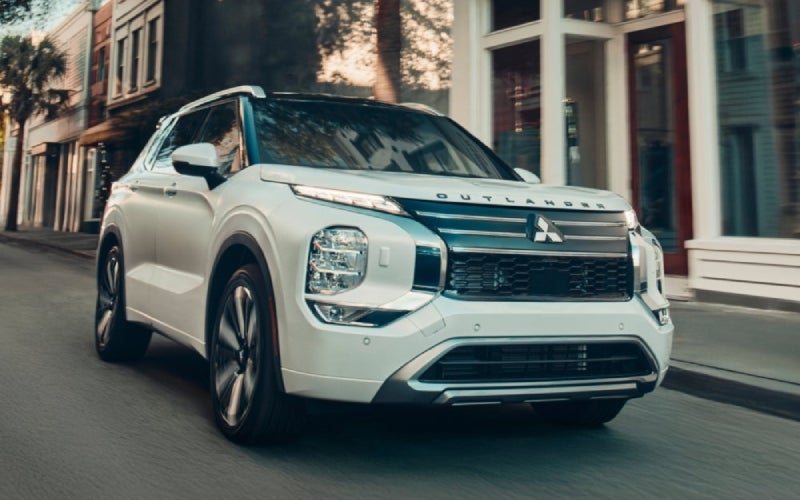
2026mitsubishieclipsecross-exterior-01

How Standard S-AWC in the 2026 Mitsubishi Eclipse Cross Supports Ewing, NJ Drivers

Peruzzi Mitsubishi - How Standard S-AWC in the 2026 Mitsubishi Eclipse Cross Supports Ewing, NJ Drivers For many Ewing, NJ drivers, a compact SUV has to feel comfortable in more than one setting. It may need to handle a weekday route along local roads near The College of New Jersey, a drive toward Trenton for work, a shopping trip across the river into Pennsylvania, or a longer highway run when the calendar fills up. That is where the 2026 Mitsubishi Eclipse Cross makes a strong case for itself, especially because Super-All Wheel Control (S-AWC) comes standard. Rather than treating all-wheel-drive capability as an extra consideration, Mitsubishi builds the Eclipse Cross around the idea that confident traction should be part of everyday driving. S-AWC is one of the most meaningful features on the 2026 Eclipse Cross because it supports the kind of control drivers appreciate in real-world conditions. The system is designed to help manage traction and stability as the vehicle responds to changing road surfaces, turns, acceleration, and driver inputs. For shoppers comparing compact SUVs, that matters because not every crossover includes this level of standard confidence. Some vehicles make all-wheel drive optional, while others focus more heavily on appearance than capability. The Eclipse Cross brings both together with distinctive styling, a composed ride, and the reassurance of S-AWC across the lineup. Why Standard S-AWC Matters in a Compact SUV Super-All Wheel Control (S-AWC) is not just a feature name on a window sticker. It is a core part of how the Eclipse Cross feels when you drive it. The system is designed to help distribute power and support vehicle stability, giving the driver a more planted feel during everyday maneuvers. That can be especially helpful when merging onto a highway, pulling away from a stop, navigating uneven pavement, or making quick adjustments in traffic. Around Ewing, where local roads can shift from neighborhood streets to busier corridors in a matter of minutes, that added confidence can make the Eclipse Cross feel easy to trust. Drivers often ask whether all-wheel drive is only useful during poor weather. The better answer is that traction support can be useful any time the road surface or driving situation changes. S-AWC can help add composure when pavement is broken, when a turn tightens unexpectedly, or when a road surface feels less consistent than expected. It does not replace careful driving, but it does add a helpful layer of control. In the 2026 Eclipse Cross, this capability works alongside a comfort-tuned suspension and light, accurate steering to create a relaxed compact SUV personality. How S-AWC Fits Ewing, NJ Driving Ewing has a mix of driving patterns that make a compact SUV with standard S-AWC appealing. Local drivers may spend part of the day on residential roads, part of the day near retail areas, and part of the day crossing into busier traffic around Trenton, Route 1, or I-295. The Eclipse Cross is sized for convenient maneuverability while still offering the elevated seating position and cargo flexibility many SUV shoppers want. It feels manageable when parking, comfortable on longer stretches, and stable when the pace of traffic changes quickly. For commuters, S-AWC can be reassuring because the same vehicle that feels easy on local streets can also feel steady at highway speeds. For families, it can add confidence when carrying passengers and cargo. For drivers who simply want a compact SUV that does not feel limited to fair conditions or flat, open roads, the Eclipse Cross delivers practical capability without making the vehicle feel oversized. This balance is a key reason the model appeals to shoppers who want everyday comfort first, with added traction confidence built in. Key Eclipse Cross Features That Work With S-AWC The 2026 Eclipse Cross is not defined by S-AWC alone. It pairs standard traction technology with safety, convenience, comfort, and design details that support daily use. Mitsubishi describes the model around the idea that more comes standard, and that approach is easy to see when reviewing the lineup. Even the ES S-AWC includes important confidence features such as Forward Collision Mitigation (FCM) with Pedestrian Detection, Lane Departure Warning (LDW), Active Stability Control (ASC), Hill Start Assist (HSA), LED Daytime Running Lights, LED Tail Lights, and 16-Inch Two-Tone Alloy Wheels. Confidence: Standard Super-All Wheel Control (S-AWC) supports handling and traction in varied driving situations. Safety awareness: Forward Collision Mitigation (FCM) with Pedestrian Detection and Lane Departure Warning (LDW) help support driver attention. Convenience: Available FAST-Key Entry System, Push Button Start, rear USB port, and Handsfree Power Tailgate simplify daily routines. Comfort: Available synthetic suede seating surfaces, leather appointed seating surfaces, heated steering wheel, and power adjustable front seating add refinement. Visibility: Available Blind Spot Warning (BSW) with Lane Change Assist (LCA), Rear Cross Traffic Alert (RCTA), and Multi-View Camera System support awareness. Choosing the Right Trim for S-AWC Confidence Because S-AWC is standard, every 2026 Eclipse Cross trim starts with the same basic traction advantage. The right trim depends more on which comfort, technology, and appearance features matter most. The ES S-AWC is a practical starting point for shoppers who want core Mitsubishi capability and driver-assistance features. The SE S-AWC adds a strong everyday convenience package with upgrades like FAST-Key Entry System, Push Button Start, Automatic Headlights, LED Headlights, Blind Spot Warning (BSW) with Lane Change Assist (LCA), Rear Cross Traffic Alert (RCTA), synthetic suede seating surfaces, and an 8-way power adjustable driver seat. The BLACK EDITION S-AWC is a smart choice for drivers who want a more distinctive look, thanks to features such as black door handle trim, black roof rails, hood badge, rear bumper step protector, and sport pedals. The SEL S-AWC and SEL Touring S-AWC move the Eclipse Cross into a more premium space with leather appointed seating surfaces, a heated steering wheel, paddle shifters, Multi-View Camera System, rear USB port, and an 8-way power adjustable passenger seat. For a shopper comparing trims, the key advantage is that capability does not have to be sacrificed while selecting a preferred level of comfort or style. Is S-AWC Good for Drivers Who Lease? Yes, S-AWC can make leasing the 2026 Eclipse Cross especially appealing because it gives you an SUV with useful standard capability from the start of the lease term. Leasing is often attractive for drivers who enjoy newer technology and a shorter ownership cycle. Since the Eclipse Cross includes S-AWC across the lineup, you do not need to focus only on higher trims to access that traction confidence. You can choose the trim that fits your preferred features and still get the same standard all-wheel control foundation. Leasing can also make sense if your driving routine is predictable. If most miles come from commuting, errands, campus visits, appointments, and weekend travel, a lease may fit well. You can enjoy current Mitsubishi design, safety systems, and connectivity while keeping the door open for a future upgrade. For many Ewing-area drivers, that flexibility is a major advantage, especially as technology and convenience features continue to evolve. Is S-AWC Good for Long-Term Owners? S-AWC also supports the case for financing and keeping the Eclipse Cross long term. Ownership can be a better fit if you drive higher mileage, plan to keep your SUV for many years, or want the freedom to customize with Mitsubishi accessories. The Eclipse Cross offers everyday usefulness that can continue serving a household as routines change. Its flexible cargo area, comfortable seating, and compact footprint make it practical for everything from commuting to family errands. Long-term owners may also appreciate Mitsubishi Confidence. The 2026 Eclipse Cross is backed by standard 2-Year/30,000-Mile Limited Maintenance, an Industry-Leading 10-Year/100,000-Mile Powertrain Limited Warranty, and 5 years of 24-Hour Roadside Assistance. For a buyer who wants to own an SUV beyond the first few years, warranty coverage can add meaningful peace of mind. Combined with standard S-AWC, the Eclipse Cross becomes a compact SUV designed to stay useful well beyond the initial excitement of purchase. Frequently Asked Questions: Is Super-All Wheel Control (S-AWC) standard on the 2026 Mitsubishi Eclipse Cross? Yes. The 2026 Mitsubishi Eclipse Cross includes standard Super-All Wheel Control (S-AWC), giving every trim an added layer of traction and stability support. Does S-AWC help only in bad weather? No. While S-AWC can be helpful when roads are less predictable, it also supports everyday handling during turns, starts, and changing road surfaces. Which Eclipse Cross trim is best for technology? The SE S-AWC and higher trims add more convenience and awareness features, while SEL S-AWC and SEL Touring S-AWC bring premium touches like Multi-View Camera System and leather appointed seating surfaces. Is the Eclipse Cross easy to use as a daily commuter SUV? Yes. Its compact size, comfortable ride, standard S-AWC, and available driver-assistance features make it well suited for commuting and daily errands. For Ewing, NJ shoppers, the 2026 Mitsubishi Eclipse Cross offers a practical answer to a common compact SUV question: how much confidence should come standard? With S-AWC included across the lineup, the Eclipse Cross gives drivers capability without forcing a complicated feature decision. Add its bold styling, quiet cabin character, safety technology, and available premium conveniences, and it becomes a strong fit for drivers who want an SUV that feels composed, useful, and ready for a wide range of local driving needs. Request more 2026 Mitsubishi Eclipse Cross information
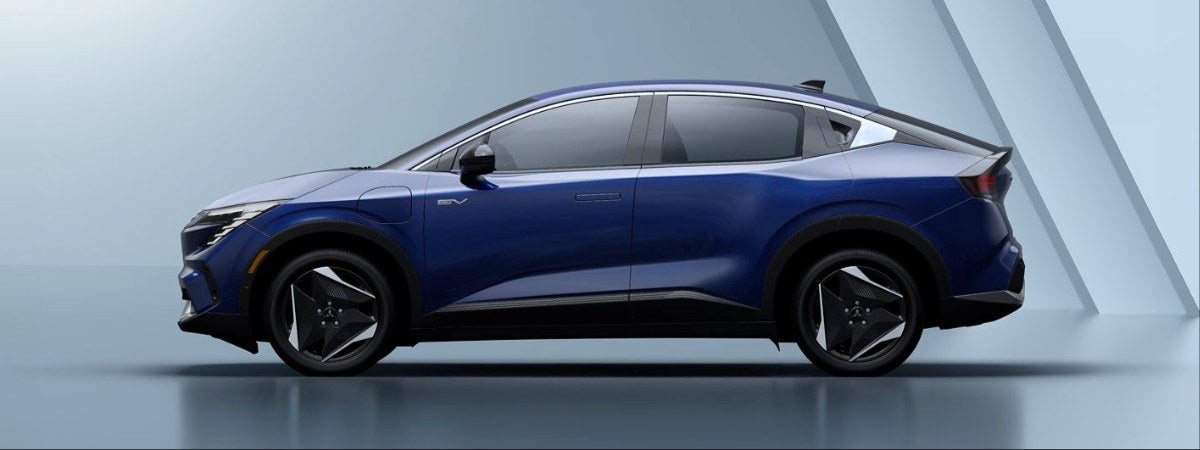
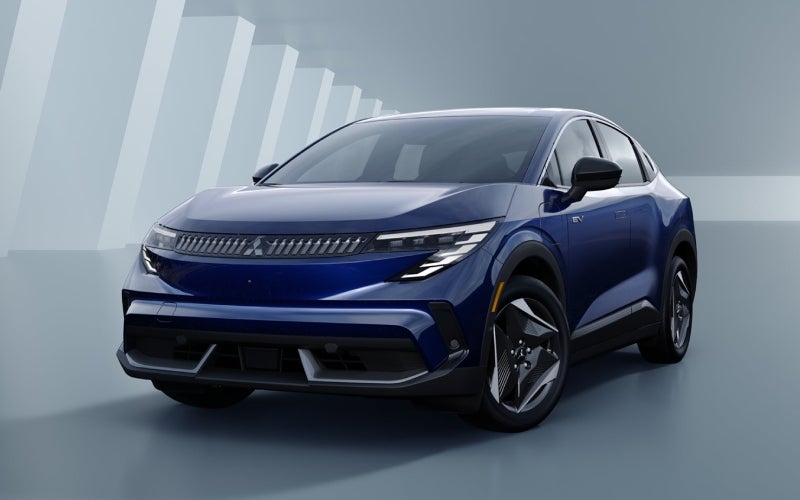
2027mitsubishieclipsesportbackev-header-01

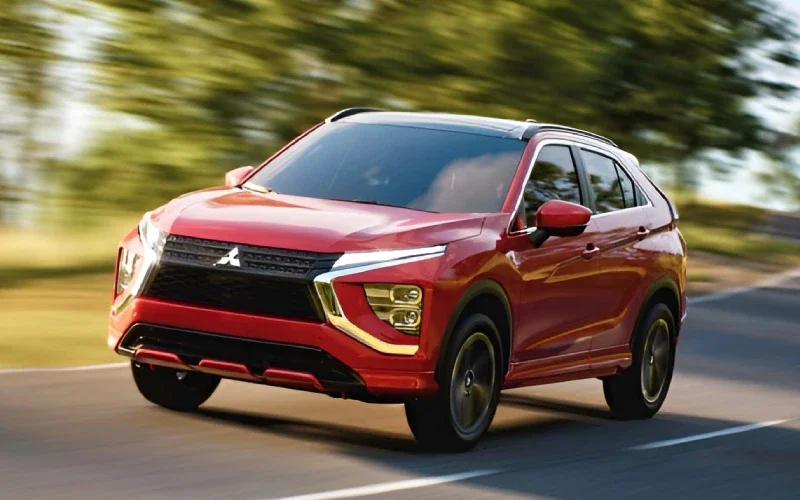
How Does the 2027 Mitsubishi Eclipse Sportback EV Charging Setup Fit Langhorne, PA Drivers?

Peruzzi Mitsubishi - How Does the 2027 Mitsubishi Eclipse Sportback EV Charging Setup Fit Langhorne, PA Drivers? Electric vehicle shopping becomes much easier when the charging plan feels simple, realistic, and matched to your daily routine. For Langhorne, PA drivers considering the 2027 Mitsubishi Eclipse Sportback EV, the charging setup is one of the most important reasons this electric SUV deserves a closer look. Mitsubishi notes that the Eclipse Sportback EV supports Level 1 and Level 2 charging, along with Level 3 fast charging through the Tesla® Supercharger network. That combination gives shoppers flexibility at home, around town, and on longer routes across Bucks County, the Philadelphia area, and beyond. The appeal is not just that this EV can charge in multiple ways. It is that those charging options fit different parts of real life. A driver who has a garage or driveway may want the convenience of Level 2 home charging. Someone who drives shorter distances may use Level 1 charging more often than expected. A household that takes regional trips can benefit from DC fast-charging access, especially when planning stops along major travel corridors. The 2027 Mitsubishi Eclipse Sportback EV gives shoppers a way to think about EV ownership as a practical routine, not a complicated adjustment. Understanding the Three Charging Levels The 2027 Mitsubishi Eclipse Sportback EV offers access to three key types of charging. Level 1 charging uses a standard 120-volt outlet and is the simplest way to plug in, although it is typically the slowest. Level 2 charging uses 240-volt power and is often the preferred home-charging solution because it can add range more efficiently while the vehicle is parked for several hours. Level 3 charging, also known as DC fast charging, is designed for quicker stops away from home and can be especially helpful during longer drives. Provided details note that the Eclipse Sportback EV uses a split charge-port strategy. A NACS port on the right-front fender supports DC fast charging, while a J-1772 port on the left-front fender supports AC charging. The vehicle also includes a portable charging cord with pigtails for both 240-volt and 120-volt outlets. For shoppers who are new to EVs, that matters because it makes the vehicle feel more adaptable from the start. Why Tesla® Supercharger Network Access Matters Mitsubishi states that the Eclipse Sportback EV will offer Level 3 charging access through the Tesla® Supercharger network, the largest fast-charging network in North America. For in-market EV shoppers, network access is a major confidence factor. Range is important, but charging availability is what helps make an EV feel practical outside the normal weekday routine. Under ideal circumstances, provided content notes that DC fast charging can bring the battery from 10 to 80 percent in about 35 minutes. That does not mean every charging stop will be identical, because charging speed can depend on battery temperature, station capability, state of charge, and other conditions. Still, that type of capability is useful for drivers who want to make efficient stops while traveling. Entering a DC fast charger into the navigation as a destination can automatically precondition the battery pack for faster charging, and drivers can also tell the car to precondition if not using navigation. How Home Charging Can Fit Daily Life For many Langhorne, PA drivers, home charging is where EV ownership starts to feel especially convenient. If the vehicle can be plugged in overnight or during regular parked hours, daily driving may require far fewer public charging stops. Level 2 charging is the strongest option for many households because the onboard charger is capable of 7.2 kilowatts, with provided content noting that a 20 to 80 percent charge can take roughly 6.5 hours on 240-volt AC power. That kind of routine can be helpful for drivers commuting to nearby employment centers, making local school runs, heading to shopping areas, or connecting to regional roads for appointments and activities. Instead of stopping at a gas station, the charging routine can become part of parking at home. Shoppers should still consider electrical capacity, charger placement, parking location, and installation needs, but the basic idea is straightforward: plug in when the vehicle is parked, start the next drive with useful range available. Questions to Ask Before Choosing Your Charging Setup Before choosing any EV, it helps to map out your normal driving and charging needs. The 2027 Mitsubishi Eclipse Sportback EV has a projected 282-mile electric driving range, giving it strong day-to-day flexibility, but every household uses a vehicle differently. A driver with a predictable commute may need a different setup than a family that shares the vehicle for errands, sports, shopping, and weekend travel. Daily mileage: Estimate how far you drive on a normal weekday and a busier weekend day. Parking location: Consider whether the vehicle will be parked near a standard outlet or a potential 240-volt charging location. Public charging: Look at stations near work, shopping areas, and common travel routes. Trip planning: Think about how often you drive beyond the projected range and where fast charging would be useful. Household schedule: Decide when the vehicle can sit plugged in without interrupting daily needs. These questions do not need to be complicated. The goal is to identify whether your routine is best served by a Level 2 home charger, occasional Level 1 charging, public Level 2 charging, or a combination that includes DC fast charging for longer drives. Charging and the Driving Experience Work Together The Eclipse Sportback EV is not only about plugging in. Its electric powertrain also changes how the vehicle feels on the road. A 75-kWh battery pack, a 214-horsepower electric motor, and 261 pound-feet of torque helps create the quick, smooth response many EV shoppers enjoy during merging, passing, and city-to-suburb driving. Regenerative braking also plays a role in the EV experience. The vehicle offers five levels of regenerative braking, from B1 to B5, plus an e-Step button that increases regenerative effect. While the system does not provide full one-pedal operation to a complete stop, it can help drivers manage speed more smoothly once familiar with the settings. Around local roads with frequent lights, turns, and traffic changes, adjustable regeneration can make driving feel more controlled and efficient. Frequently Asked Questions: Can the 2027 Mitsubishi Eclipse Sportback EV be charged from a regular household outlet? Yes. Mitsubishi notes access to Level 1 charging, and provided details include a portable charging cord with a 120-volt pigtail. Level 1 charging is typically slower than other methods, but it can be useful for light daily driving, backup charging, or situations where a standard outlet is the most convenient option. Is Level 2 charging better for most home charging routines? For many EV owners, Level 2 charging is the preferred home solution because it uses 240-volt power and can add range more quickly than Level 1. Provided content notes that the Eclipse Sportback EV's onboard charger is capable of 7.2 kilowatts and can charge from 20 to 80 percent in roughly 6.5 hours under appropriate conditions. How does fast charging help on longer drives? Fast charging helps reduce downtime when traveling beyond your regular daily range. The Eclipse Sportback EV supports Level 3 charging through the Tesla® Supercharger network, and provided information notes that DC fast charging can charge from 10 to 80 percent in about 35 minutes under ideal circumstances. Should I plan charging stops through the vehicle navigation? Using navigation can be helpful because entering a DC fast charger as a destination can automatically precondition the battery pack for faster charging. Battery preconditioning helps the vehicle prepare for optimal charging performance, though actual charging time can still vary based on station and battery conditions. The 2027 Mitsubishi Eclipse Sportback EV charging setup is designed to make electric driving feel more flexible and approachable. For Langhorne, PA shoppers, the combination of projected 282-mile range, Level 1 and Level 2 capability, Level 3 access through the Tesla® Supercharger network, and smart battery preconditioning gives this EV a practical foundation for local driving and regional travel. The best next step is to think through where you park, how far you drive, and how often you travel beyond your regular routine. With that information, choosing the right charging approach becomes much clearer. As EV shopping continues to become more mainstream, the Eclipse Sportback EV gives Mitsubishi shoppers a well-rounded option with a sporty compact SUV shape, useful cabin technology, and charging flexibility that supports a wide range of lifestyles. Whether your priority is home convenience, fast-charging access, or simply understanding how an electric vehicle would fit your week, this Mitsubishi EV makes the conversation easier to start. Request more 2027 Mitsubishi Eclipse Sportback EV information

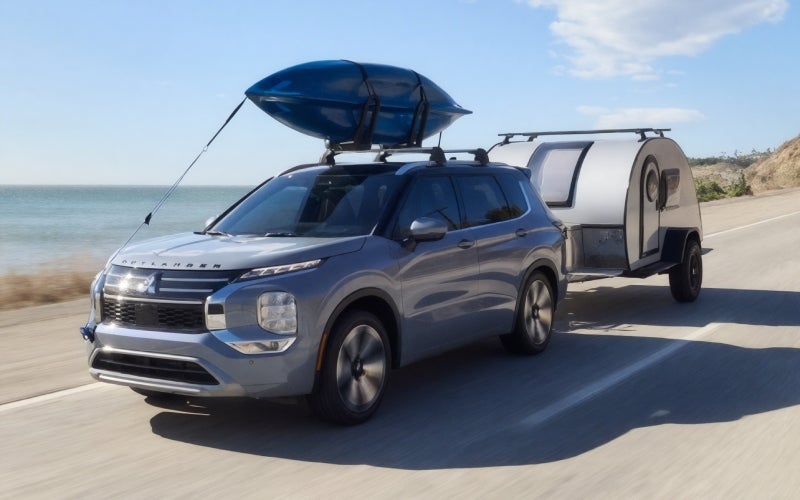
2026mitsubishioutlander-exterior-02

Why Dynamic Sound Yamaha® Audio Elevates the 2026 Mitsubishi Outlander for Bristol, PA Drivers

Peruzzi Mitsubishi - Why Dynamic Sound Yamaha® Audio Elevates the 2026 Mitsubishi Outlander for Bristol, PA Drivers For many SUV shoppers, audio quality is not the first feature that comes to mind. Seating, safety, cargo space, and all-wheel confidence usually get the spotlight. Yet once you spend real time behind the wheel, the sound system becomes part of every commute, family outing, errand, and road trip. That is where the 2026 Mitsubishi Outlander makes a memorable impression. Mitsubishi partnered with Yamaha® audio engineers to create an exclusive in-car listening experience that feels far more intentional than a typical speaker upgrade. For Bristol, PA drivers who spend time on Route 13, I-95, the Pennsylvania Turnpike, or neighborhood streets between school, work, and home, that attention to sound can make the cabin feel calmer, richer, and more enjoyable. The 2026 Outlander offers Dynamic Sound Yamaha® Premium as standard equipment on key trims, while available Dynamic Sound Yamaha® Ultimate takes the experience even further with a more immersive speaker layout and advanced tuning. This matters because a vehicle is not an easy place to reproduce music well. Road surfaces change, passengers sit at different distances from speakers, and outside noise can interfere with vocals, bass, podcasts, and calls. Yamaha® Sound Meisters and Mitsubishi Motors engineers approached the Outlander cabin as a carefully tuned listening space, not just a place to install speakers. The result is a system designed to keep sound clear, balanced, and natural from multiple seating positions. What Makes Dynamic Sound Yamaha® Different? Dynamic Sound Yamaha® is not simply about volume. It is about accuracy, placement, and emotional detail. Yamaha® Sound Meisters are trained to recognize subtle tonal changes in music and reproduce them in a way that feels authentic. In the Outlander, that expertise is paired with Mitsubishi engineering to help vocals sound present, instruments feel distinct, and bass remain controlled rather than overwhelming. A Digital Signal Processor, or DSP, plays an important role by optimizing sound for the vehicle cabin. This technology draws from Yamaha’s® experience with concert halls and theaters, then adapts it to the unique acoustics of an SUV interior. For shoppers comparing the Outlander to other three-row SUVs, this level of audio development is worth noting. Many vehicles advertise premium sound, but the Outlander’s system was shaped through a specific collaboration between two brands with very different strengths: Mitsubishi understands how the cabin is built, and Yamaha® understands how listeners experience sound. Together, that creates an audio system that feels integrated rather than added afterward. Whether you prefer classic rock, jazz, pop, podcasts, audiobooks, or streaming playlists, the Outlander is engineered to make everyday listening more satisfying. Dynamic Sound Yamaha® Premium and Ultimate Explained The standard Dynamic Sound Yamaha® Premium system gives the 2026 Outlander a strong foundation with eight speakers and tuning that supports clean, enjoyable listening. For many drivers, this system will already feel like a meaningful step up from ordinary SUV audio. It works naturally with the Outlander’s 12.3" Smartphone-link Display Audio with Navigation, Wireless Apple CarPlay®, Wireless Google Android Auto™, Bluetooth® Wireless Technology, and available connected services, so your favorite content is easy to access and enjoyable to hear. Available Dynamic Sound Yamaha® Ultimate is designed for shoppers who want an even deeper listening experience. It includes a 12-speaker configuration, a three-way speaker arrangement, dual amplifiers, and detailed noise suppression measures. The three midrange speakers help reproduce vocals and instruments with added realism, while tweeters and woofers fill out the high and low frequencies. Dual amplifiers separate low-range and mid/high-range output for cleaner fidelity, while fully digital transmission helps reduce signal degradation. Mitsubishi and Yamaha® also paid attention to door-panel rigidity and sound isolation, helping bass feel more substantial without becoming muddy. Standard system strength: Dynamic Sound Yamaha® Premium brings refined sound quality to the Outlander without requiring a complex setup. Available upgrade depth: Dynamic Sound Yamaha® Ultimate adds a 12-speaker layout, dual amplifiers, and more immersive surround-style listening. Cabin-specific tuning: The system is engineered around the Outlander interior, passenger positions, and real driving conditions. Everyday usability: Smartphone integration, navigation, and wireless connectivity make it simple to enjoy music, podcasts, and calls. Why Audio Quality Matters for Bristol, PA Daily Driving Bristol drivers often experience a mix of quick local trips and longer regional travel. One morning might include a short drive through town, while the afternoon could involve highway travel toward Philadelphia, Levittown, or New Jersey. In that kind of routine, a better audio system does more than entertain. Clearer voice reproduction can make podcasts and audiobooks easier to follow. Better speaker balance can help rear passengers enjoy music without forcing the front row to raise the volume. A refined bass response can add depth without creating cabin fatigue during longer drives. The available Dynamic Sound Yamaha® Ultimate system also includes thoughtful sound-adjustment features. Speed Compensated Volume, standard on Dynamic Sound Yamaha® Premium and Ultimate systems, automatically adjusts volume as vehicle speed and cabin noise change. Available Rain Compensated Volume on the Ultimate system adjusts volume and equalization in sync with the wipers, helping maintain clarity when outside noise increases. Air-Conditioner Compensated Volume, also available with the Ultimate system, accounts for airflow and vent selection so you do not have to keep adjusting the volume when cabin fan speed changes. These may sound like small details, but they add up to a more polished driving experience. A Premium Cabin Experience Beyond the Speakers The audio system feels even more impressive because the 2026 Mitsubishi Outlander surrounds it with a well-equipped cabin. The SUV offers seating for up to seven passengers, flexible folding second-row seating, USB-C connectivity, rear seat air vents, dual-zone automatic climate control on select trims, and available upgrades such as a 12.3" Full Digital Driver Display, Smartphone Wireless Charger, power panoramic sunroof, heated steering wheel, and leather-wrapped controls. Instead of feeling like one isolated feature, the Yamaha® audio system fits into a broader interior designed around comfort, connection, and ease of use. Families may appreciate how the Outlander supports different needs at the same time. The driver can follow navigation prompts clearly, front passengers can enjoy music with balanced detail, and rear passengers can stay comfortable with thoughtful seating and ventilation. When the third row is folded, the cargo area becomes useful for groceries, sports gear, luggage, or weekend equipment. When all three rows are in use, the Outlander still offers the kind of flexibility that makes it a practical choice for households that do not want to move into a much larger vehicle. How to Decide Which Audio Setup Fits You If you are considering the 2026 Outlander, the best way to evaluate Dynamic Sound Yamaha® is to listen during a test drive. Bring the kind of audio you actually use: a favorite playlist, a podcast, a spoken-word navigation route, or a song with vocals you know well. Pay attention to clarity at normal volume, how balanced the cabin feels, and whether rear passengers can hear comfortably. If you spend a lot of time commuting, traveling with family, or using your SUV as a rolling workspace between appointments, the available Ultimate system may be especially appealing. Start with your routine: Think about how often you stream music, take hands-free calls, or listen to podcasts while driving. Compare seating positions: Sit in the front and rear seats to hear how sound changes throughout the cabin. Test different content: Try music, voice audio, and navigation prompts to evaluate real-world clarity. Consider long-term enjoyment: If you plan to keep your SUV for years, a premium audio upgrade can continue to add value every day. Frequently Asked Questions: Is Dynamic Sound Yamaha® standard on the 2026 Mitsubishi Outlander? Dynamic Sound Yamaha® Premium is standard on select 2026 Outlander trims, while Dynamic Sound Yamaha® Ultimate is available through select packages and configurations. What is the difference between Premium and Ultimate? Premium delivers strong standard audio quality, while Ultimate adds a 12-speaker configuration, dual amplifiers, advanced sound tuning, and additional compensation features for changing cabin noise. Does the system work with Apple CarPlay® and Android Auto™? Yes. The Outlander supports Wireless Apple CarPlay® and Wireless Google Android Auto™, making it easy to stream audio, access navigation, and use compatible apps. Is the upgraded audio worth considering for families? Yes. A well-tuned system can improve clarity for music, podcasts, navigation, and passenger enjoyment across all rows, which is especially useful in a three-row SUV. The 2026 Mitsubishi Outlander already makes a strong case with its spacious layout, turbocharged performance, advanced safety features, and available S-AWC. Dynamic Sound Yamaha® adds another layer of appeal by making the cabin feel more refined and personal. For Bristol, PA drivers who want a practical SUV that also makes everyday travel more enjoyable, this audio system is a feature worth hearing for yourself. Request more 2026 Mitsubishi Outlander information

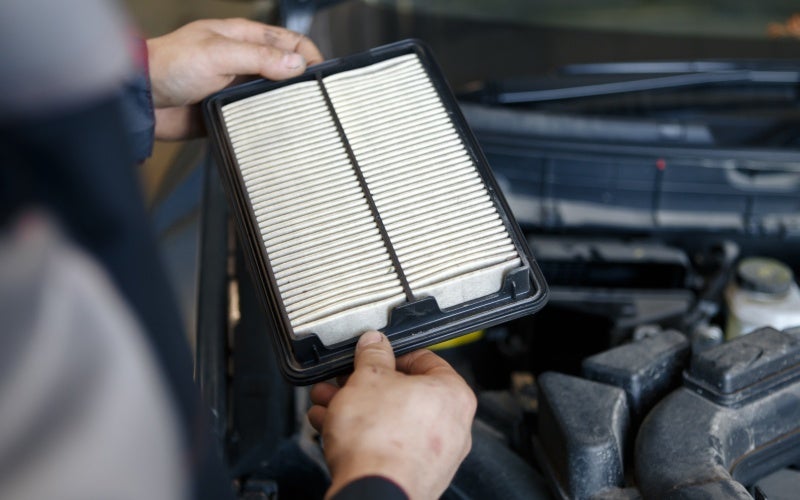
engine-air-filter-2

Mitsubishi Cabin Air Filter Replacement Parts for Bensalem, PA Drivers

Peruzzi Mitsubishi - Mitsubishi Cabin Air Filter Replacement Parts for Bensalem, PA Drivers Cabin air filters are small parts with a big impact on everyday comfort, especially for drivers who spend time around Bensalem, PA, where local trips can include Street Road, Route 1, I-95, and shopping traffic near Neshaminy Mall. A cabin air filter helps reduce dust, pollen, road debris, and other airborne particles before air enters the passenger area through the heating and air conditioning system. When the filter becomes clogged, airflow may feel weak, windows may take longer to clear, and the cabin can develop stale odors. For Mitsubishi drivers, choosing the correct replacement filter is important because fitment affects how well the filter seals inside the housing. Our parts department can help match the right cabin air filter to your exact Mitsubishi model, year, and trim. Why Cabin Air Filter Fitment Matters A cabin air filter is not a one-size-fits-all part. Mitsubishi models such as the Outlander, Eclipse Cross, Outlander Sport, and Outlander Plug-in Hybrid can have different filter sizes, housing designs, and replacement procedures depending on model year. A filter that is close but not exact may leave gaps that allow unfiltered air to pass around the edges. It may also bend during installation, reduce airflow, or create noise from the blower motor area. OEM Mitsubishi cabin air filters are designed to match factory specifications, which helps support proper airflow through vents and consistent performance from the climate control system. For drivers who commute from Bensalem into Philadelphia, travel over bridges into New Jersey, or run daily errands around Bucks County, a properly fitted cabin air filter can make routine driving more comfortable. Many drivers search for a cabin air filter only after noticing a problem, but replacement can also be part of routine maintenance. The filter works every time outside air or recirculated air moves through the system. Construction dust, roadside particles, leaves, and general traffic residue can shorten useful filter life. A driver who parks under trees, travels busy highways, or frequently uses climate control may need replacement sooner than expected. If you are unsure whether the filter is due, our team can help review your maintenance history or coordinate with service staff for an inspection. Signs Your Mitsubishi May Need a Cabin Air Filter Weak vent airflow: A clogged filter can restrict air movement, even when the fan is set to a higher speed. Musty cabin odor: Odors may collect in the filter and become noticeable when the heater or air conditioning turns on. Dust on interior surfaces: More dust inside the cabin can be a sign that the filter is no longer working effectively. Noisy blower operation: Restricted airflow can make the blower motor sound louder than usual. Window clearing takes longer: Reduced airflow may make defogging slower during humid or temperature-changing conditions. These symptoms do not always mean the cabin air filter is the only issue, but the filter is a smart place to begin. Climate control concerns can also involve blower motors, vents, evaporator drains, refrigerant performance, or electrical components. Replacing a dirty filter can restore airflow in many situations, and using the correct part helps avoid creating a new problem during installation. Our knowledgeable parts staff can confirm whether your Mitsubishi uses a standard cabin air filter or a specific upgraded design based on the vehicle information provided. What Information Helps When Ordering When contacting our parts department, having a few details ready can speed up the process. The most helpful item is the VIN, because it identifies the exact factory configuration of your vehicle. Your model year, model name, trim level, and engine type can also help. If you are not sure what to request, describe the concern you are experiencing. For example, tell our team if the vents feel weak, if there is an odor, or if a previous inspection recommended replacement. Our Mitsubishi parts order process is designed to gather the necessary information, including year, make, model, trim, VIN, requested part, and contact details, so our staff can respond with accurate guidance. Quick ordering is especially useful when a specific filter is not currently in stock. In many cases, non-stock parts may be available as soon as the next day, depending on part availability and ordering time. Delivery availability may also help local repair planning. That means Bensalem drivers can avoid spending extra time comparing uncertain online listings or driving from store to store with an old filter in hand. With help from seasoned parts professionals, you can get a filter selected for your Mitsubishi rather than simply choosing the closest visual match. OEM vs Aftermarket Cabin Air Filters Drivers often ask whether OEM or aftermarket cabin air filters are better. The right answer depends on fitment, quality, and your expectations. OEM filters are built to factory specifications, which makes selection straightforward for Mitsubishi vehicles. Aftermarket filters may also be available, and some options can meet common maintenance needs. The key is making sure the part matches the housing and airflow requirements of your vehicle. Our parts department stocks OEM and aftermarket parts and can help explain options without pressuring you into an unclear choice. For many drivers, OEM is the preferred route because it simplifies fitment and supports the original climate control design. Installation is another consideration. Some cabin air filters are simple to access, often behind the glove box, while others require more care to avoid damaging tabs, covers, or surrounding trim. If you are comfortable with do-it-yourself maintenance, our parts staff can still help make sure you leave with the correct part. If you prefer professional support, our service department includes Mitsubishi-certified technicians who can handle maintenance with proper attention to detail. Our service team also performs related work such as air conditioning and heater service, air filter replacement, fluid checks, general automotive repair, and preventative maintenance. Frequently Asked Questions: How often should a Mitsubishi cabin air filter be replaced? Replacement timing depends on driving conditions, mileage, and vehicle recommendations. If airflow is weak, odors are present, or the filter looks dirty during inspection, replacement is usually worthwhile. Can a dirty cabin air filter affect air conditioning performance? Yes. A clogged filter can restrict airflow, making the air conditioning feel less effective even if the cooling system itself is working properly. Do I need my VIN to order a cabin air filter? A VIN is strongly recommended because it helps confirm the correct part for your exact Mitsubishi model and configuration. Can your team help if I drive an older Mitsubishi model? Yes. Our parts staff can research availability for many Mitsubishi vehicles using the year, model, trim, and VIN. If you drive in or around Bensalem, PA and need a Mitsubishi cabin air filter, our parts department is ready to help you choose confidently. Contact our Service and Parts team at 888-306-8767, submit a parts request, or visit our facility at 49 Spencer Avenue in Fairless Hills, Pennsylvania. Bring your VIN if possible, and our staff can help identify the right cabin air filter, discuss availability, and coordinate installation support if needed. Request more information

2027mitsubishieclipsesportbackev-exterior-01

Do Fairless Hills, PA Drivers Need Level 2 Charging for the 2027 Eclipse Sportback EV?

Peruzzi Mitsubishi - Do Fairless Hills, PA Drivers Need Level 2 Charging for the 2027 Eclipse Sportback EV? Fairless Hills drivers considering the 2027 Mitsubishi Eclipse Sportback EV have a practical question to answer before bringing an EV into daily life: is a Level 2 home charger necessary, or can regular charging habits work without one? The 2027 Mitsubishi Eclipse Sportback EV is designed to make electric driving feel approachable, especially for shoppers who want a sporty, subcompact electric SUV with real daily usability. Mitsubishi has shared that the Eclipse Sportback EV supports Level 1 and Level 2 charging, along with Level 3 access through the Tesla® Supercharger network. That mix matters because different Fairless Hills households have different parking setups, commute lengths, and charging expectations. A driver with a garage near Lincoln Highway may have a very different routine than someone parking outside an apartment community, commuting toward Philadelphia, or crossing into New Jersey for work. The Main FAQ: Do You Need a Level 2 Charger at Home? A Level 2 home charger is not strictly required to own and enjoy the 2027 Mitsubishi Eclipse Sportback EV, but it can make ownership much easier for drivers who put on regular weekday miles, want faster overnight charging, or prefer to treat charging like plugging in a phone at night. Level 1 charging can be useful for light daily driving or topping off gradually, while Level 2 charging is the more convenient choice for many EV households because it adds range much faster through a 240-volt setup. For in-market shoppers around Fairless Hills, the decision comes down to your actual routine rather than a one-size-fits-all rule. If your daily driving is mostly local - trips to Oxford Valley, errands in Levittown, school drop-offs, or a short commute around Lower Bucks County - Level 1 charging may cover a surprising amount of your needs when the vehicle is plugged in consistently. If your week includes regular longer drives on I-295, Route 1, the Pennsylvania Turnpike, or frequent travel toward Philadelphia, Trenton, or Princeton, Level 2 charging at home can reduce planning and make the EV feel more seamless. How Level 1, Level 2, and Level 3 Charging Fit Real Life The 2027 Eclipse Sportback EV gives drivers flexibility by supporting multiple charging levels. That flexibility is important because EV ownership is not only about maximum range - it is about where, when, and how conveniently you can recharge. A shopper who can plug in overnight at home may rarely need public charging during a normal week. A shopper without home charging may rely more on workplace chargers, public Level 2 stations, or Level 3 fast charging when needed. Here is a practical way to think about the three charging paths: Level 1 charging: Uses a standard household-style outlet and works best for light daily driving, gradual overnight charging, or maintaining charge when the vehicle sits for longer periods. Level 2 charging: Uses 240-volt charging and is better suited for overnight replenishment after regular commuting, multi-errand days, or weekend driving around Bucks County and nearby New Jersey. Level 3 fast charging: Helps during road trips, busy weeks, or longer travel days, and the 2027 Eclipse Sportback EV supports access through the Tesla® Supercharger network. That mix means Fairless Hills drivers do not have to rely on one charging method all the time. Many EV owners use Level 2 at home as the foundation, then use public fast charging only when the schedule calls for it. Others start with Level 1 and upgrade later if daily mileage grows or if a home installation becomes convenient. When Level 1 Charging May Be Enough Level 1 charging can make sense if your daily mileage is modest and your vehicle spends long stretches parked at home. For example, a driver who works locally, runs errands in Fairless Hills and Langhorne, and only takes longer trips occasionally may not need a Level 2 charger immediately. The key is consistency. Plugging in when you get home allows the battery to recover gradually, especially if your daily driving pattern is predictable. This setup can also work for households with more than one vehicle. If the Eclipse Sportback EV is used mainly for commuting, local errands, or driving to nearby train stations, Level 1 charging may be a low-effort starting point. It may also appeal to first-time EV owners who want to get comfortable before deciding whether to install a dedicated 240-volt charging station. Still, Level 1 charging requires patience. It is not the best match for drivers who frequently arrive home with a lower battery and need a substantial recharge by morning. If your schedule changes often or your daily route can expand without notice, Level 2 charging adds a valuable cushion. When Level 2 Charging Is the Smarter Ownership Move Level 2 charging is worth serious consideration if the 2027 Eclipse Sportback EV will be your primary vehicle. It can be especially helpful for drivers commuting from Fairless Hills toward Center City Philadelphia, King of Prussia, Trenton, or other regional job centers. Even if your normal commute is manageable, a faster home charging setup gives you more flexibility for after-work errands, family activities, and unplanned trips. A home Level 2 charger also helps EV ownership feel simple. Instead of planning around public stations for normal driving, you can plug in at home and begin the next day with the level of charge you prefer. For many shoppers, that convenience is the strongest reason to install Level 2 charging - not because Level 1 cannot work, but because Level 2 reduces the number of decisions you have to make during a busy week. Drivers should also think about future needs. A current commute may be short, but a new job, a child starting activities farther from home, or more frequent travel could make faster home charging more useful. Installing Level 2 charging can be a long-term convenience upgrade for households planning to keep an EV as a central part of daily transportation. Local Driving Factors Around Fairless Hills Fairless Hills sits in a useful location for EV owners because local driving often blends short trips with regional highway access. Lincoln Highway, Route 1, I-295, and the Pennsylvania Turnpike give drivers plenty of reach, but those same routes can create a wide range of mileage patterns. A short daily errand routine around Levittown and Morrisville has different charging needs than a commute that crosses into New Jersey or heads toward Philadelphia traffic every weekday. Parking is another practical factor. Homeowners with a driveway or garage may find Level 2 installation more straightforward than renters or condo residents who need approval from a property manager or homeowners association. For shoppers without easy home charging, the Eclipse Sportback EV's ability to use Level 3 charging through the Tesla® Supercharger network becomes especially helpful, since fast charging can support longer drives and busier schedules. At Peruzzi Mitsubishi, we encourage shoppers to think through the full ownership picture: where the vehicle will park overnight, how many miles a normal week includes, how often longer trips occur, and whether workplace charging is available. A clear look at those details usually points to the right charging setup. Charging Decision Checklist for Local Shoppers If you are deciding whether to install Level 2 charging for the 2027 Mitsubishi Eclipse Sportback EV, start with your routine rather than the charger itself. These questions can help narrow the decision: Daily mileage: If your weekday driving is light and predictable, Level 1 may be a practical starting point. Primary vehicle use: If the Eclipse Sportback EV will handle most household driving, Level 2 charging can add convenience and confidence. Parking setup: A private driveway or garage often makes home charging easier to plan. Commute pattern: Regular trips on Route 1, I-295, or the Pennsylvania Turnpike may make faster overnight charging more appealing. Public charging access: Nearby workplace, shopping, or fast-charging options can help supplement home charging. Schedule flexibility: If your week changes often, Level 2 charging provides more buffer between busy driving days. The right answer may also change over time. Some EV drivers begin with Level 1 charging, learn how the vehicle fits daily life, and upgrade to Level 2 later. Others prefer to install Level 2 charging before taking delivery so the home routine is ready from day one. Either path can work when it matches your driving habits. Why the Eclipse Sportback EV Makes This Conversation Easier The 2027 Mitsubishi Eclipse Sportback EV is compelling because it combines EV flexibility with the useful size and personality of a sporty subcompact SUV. Mitsubishi notes distinctive styling details such as unique fascias, distinct front and rear lights, striking alloy wheels, and the iconic Triple Diamond branding. Inside and out, it is intended to feel modern without asking drivers to give up everyday practicality. Its charging versatility is a major part of that practicality. Level 1 access supports simple home plugging. Level 2 compatibility supports more efficient at-home charging. Level 3 access through the Tesla® Supercharger network gives drivers a fast-charging option when travel demands more than the home routine. For shoppers in Fairless Hills, that means the Eclipse Sportback EV can adapt to different lifestyles rather than forcing every owner into the same charging pattern. Peruzzi Mitsubishi is also positioned to support drivers beyond the shopping stage. Our sales facility is located at 130 Lincoln Hwy in Fairless Hills, and our Service & Parts Facility is located at 49 Spencer Avenue. Our Mitsubishi-certified technicians can service EVs, and our team is here to help local drivers understand maintenance, charging considerations, and long-term ownership questions with clear guidance. Frequently Asked Questions: Can I own the 2027 Mitsubishi Eclipse Sportback EV without a Level 2 home charger? Yes, many drivers can begin with Level 1 charging if daily mileage is modest and the vehicle can remain plugged in for long periods. However, Level 2 charging is more convenient for higher-mileage routines, primary-vehicle use, and drivers who want faster overnight charging. Is Level 2 charging better for commuters near Fairless Hills, PA? For many commuters, yes. If you regularly drive beyond local errands or use highways such as Route 1, I-295, or the Pennsylvania Turnpike, Level 2 charging can help the Eclipse Sportback EV recover more range overnight and reduce the need for public charging during the week. Can the 2027 Eclipse Sportback EV use fast charging on longer trips? Yes. Mitsubishi has stated that the 2027 Eclipse Sportback EV supports Level 3 charging through the Tesla® Supercharger network, giving drivers an important option for longer travel days or busier schedules. Does Peruzzi Mitsubishi service EVs in Fairless Hills, PA? Yes. Peruzzi Mitsubishi services EVs, and our Mitsubishi-certified technicians are available at our Service & Parts Facility at 49 Spencer Avenue in Fairless Hills, Pennsylvania. What should I ask before installing a Level 2 charger at home? Ask whether your electrical panel can support a 240-volt charging setup, where the vehicle will park, whether permits or property approvals are needed, and how much daily driving you expect. A licensed electrician can evaluate the home installation side, while Peruzzi Mitsubishi can help you understand how charging fits the vehicle ownership experience. The best charging setup for the 2027 Mitsubishi Eclipse Sportback EV depends on how you actually drive around Fairless Hills and the surrounding region. Level 1 can work for lighter routines, Level 2 adds everyday convenience, and Level 3 fast charging helps support longer trips. If you are comparing EV ownership options, Peruzzi Mitsubishi can help you think through the practical details so your next vehicle fits your road, your schedule, and your charging plan. Request more 2027 Mitsubishi Eclipse Sportback EV information

2026mitsubishioutlander-exterior-03

Can the 2026 Mitsubishi Outlander Handle Morrisville, PA Carpools With Its Third Row?

Peruzzi Mitsubishi - Can the 2026 Mitsubishi Outlander Handle Morrisville, PA Carpools With Its Third Row? The 2026 Mitsubishi Outlander is a strong fit for Morrisville, PA families who need occasional third-row seating without moving into a much larger SUV. A Practical Answer for Morrisville Family Driving For many shoppers around Morrisville, the real question is not simply whether the 2026 Mitsubishi Outlander has a third row. It is whether that third row works for everyday family logistics: school drop-off, after-practice pickups, quick rides across the Trenton-Morrisville Bridge, errands in Fairless Hills, and weekend plans around Lower Bucks County. The answer is yes, as long as you view the Outlander as a smart, flexible 7-passenger SUV rather than a full-size people mover. The 2026 Outlander includes 7 Passenger Seating, giving you three rows and the ability to bring extra passengers when the day gets busier than expected. That matters for households that usually need five seats but occasionally need room for a friend, grandparent, teammate, or sibling. For Morrisville drivers who split time between Route 1, local borough streets, Yardley, Newtown, and nearby New Jersey destinations, the Outlander’s size keeps it manageable while still adding the flexibility of a third row. How the Third Row Fits Real Life The third row in the 2026 Mitsubishi Outlander is best understood as a convenience feature for added flexibility. With 18.7 inches of third-row leg room, it is most useful for children, smaller passengers, or shorter local trips. That makes it especially relevant for carpool duty, quick rides home from activities, and those moments when a two-row SUV would leave you one seat short. The second row also plays an important role. The 2026 Outlander offers 39.9 inches of second-row leg room and a 40:20:40 Split Type 2nd Row Seat with Folding Function. That layout helps you balance passengers and cargo without treating the cabin as an all-or-nothing space. If you need to carry sports bags, groceries, backpacks, and passengers in the same trip, the Outlander gives you more ways to make the cabin work. Third-row use: Helpful for kids, occasional guests, and short-distance carpool seating around Morrisville. Second-row flexibility: The 40:20:40 split design helps adapt the cabin for passengers, gear, or both. Cargo behind the third row: 10.9 cubic feet gives you room for smaller daily items when all seats are in use. Cargo behind the second row: 30.6 cubic feet is useful when the third row is folded for groceries, luggage, or sports equipment. Maximum cargo flexibility: Up to 64.3 cubic feet behind the front seats supports larger hauls when passenger needs are lighter. That flexibility is important because most family vehicles do not carry seven people every day. Many Morrisville-area shoppers need an SUV that can move between routines: school in the morning, work commuting during the day, errands along Lincoln Highway, and family activities after dinner. The Outlander’s layout helps support that rhythm without forcing you into a vehicle that feels oversized for daily use. Why Size Matters Around Morrisville Morrisville and the surrounding area can put an SUV through a variety of driving situations in a single day. You may start on neighborhood streets, merge onto Route 1, cross into Trenton, park near a busy shopping center, and then return home with backpacks, takeout, and a few extra passengers. A three-row SUV needs to feel useful without feeling cumbersome, and this is where the 2026 Outlander makes a compelling case. With an overall length of 185.8 inches and electric power steering, the Outlander remains approachable in tighter parking areas. Its turning circle varies by configuration, with 36.7 feet on ES 2WD and 36.1 feet on S-AWC and SE configurations listed in the referenced specifications. That helps when maneuvering in local lots, navigating school pickup lines, or making quick turns on older streets where space can feel limited. Visibility and parking confidence are also part of everyday ownership. The 2026 Outlander includes a Rearview Camera on select configurations, Rear Parking Sensors, Rear Cross Traffic Alert (RCTA), and Rear Automatic Emergency Braking (Rear AEB). An available Multi-View Camera System can add even more awareness when backing out of crowded spaces. For a vehicle with three rows, those features can make a meaningful difference in daily confidence. Comfort and Convenience for Busy Families A carpool vehicle needs more than seats. It needs a cabin that keeps drivers informed, passengers comfortable, and devices connected. The 2026 Outlander comes standard with a 12.3" Smartphone-link Display Audio with Navigation, Bluetooth® Wireless Technology, Wireless Apple CarPlay®, and Wireless Google Android Auto®. For families moving between Morrisville, Fairless Hills, Levittown, and Trenton, that connectivity helps keep routes, calls, music, and messages easier to manage. Standard Dynamic Sound Yamaha Premium with 8 speakers gives the Outlander a more enjoyable cabin experience than many shoppers expect from a practical three-row SUV. For drivers who spend time on Route 1 or I-295, audio quality can make daily commuting feel less routine. Available Dynamic Sound Yamaha Ultimate with 12 speakers adds a more immersive setup on select packages, including technology such as Speed Compensated Volume on Yamaha® systems. Climate and passenger comfort also matter when every seat is in use. Dual-Zone Automatic Climate Control is listed as standard across the referenced trims, and rear seat air vents help passengers in the back feel included in the comfort plan. When the vehicle is packed with kids, bags, and gear, those thoughtful details can matter just as much as headline specifications. Safety Features That Support Carpool Confidence For Morrisville parents and caregivers, safety technology is often central to the decision. The 2026 Mitsubishi Outlander includes a strong collection of standard and available driver-assistance features designed to support awareness. Standard safety features listed in the reference include 11 airbags, Active Stability Control (ASC), Forward Collision Mitigation (FCM) with Pedestrian Detection, Automatic High Beam (AHB), Blind Spot Warning (BSW) w/ Lane Change Assist (LCA), Driver Attention Alert (DAA), Rear Seat Alert, and Seatbelt Reminder For All Seating Positions. Those features are especially relevant in real-world driving. Blind Spot Warning (BSW) w/ Lane Change Assist (LCA) can be helpful when changing lanes on Route 1 or crossing into New Jersey. Rear Cross Traffic Alert (RCTA) supports awareness when backing out of busy lots. Rear Seat Alert is a thoughtful feature for families who regularly carry children, school bags, or changing passenger groups. School pickup lines: Parking sensors, Rear AEB, and available camera technology can help with low-speed awareness. Highway merging: Blind Spot Warning (BSW) w/ Lane Change Assist (LCA) supports confidence during lane changes. Family reminders: Rear Seat Alert and Seatbelt Reminder For All Seating Positions help support passenger routines. Changing traffic: Forward Collision Mitigation (FCM) with Pedestrian Detection adds another layer of driver assistance. At Peruzzi Mitsubishi, we know local shoppers often compare vehicles based on how a feature will actually be used. A third row looks good on paper, but the complete package matters: seat access, cargo flexibility, visibility, connectivity, and service support after the sale. Our sales facility at 130 Lincoln Hwy in Fairless Hills is close to Morrisville, and our Service & Parts Facility at 49 Spencer Avenue gives local Outlander owners a convenient place for maintenance with Mitsubishi-certified technicians. Frequently Asked Questions: Is the 2026 Mitsubishi Outlander third row good for everyday carpooling near Morrisville, PA? Yes, the 2026 Mitsubishi Outlander works well for many local carpool needs, especially when the third row is used for children, smaller passengers, or shorter drives. It is a smart choice for families who usually need two rows but want extra seating available when schedules change. How much cargo room is available when the third row is being used? The 2026 Outlander provides 10.9 cubic feet of cargo space behind the third row. That is useful for smaller daily items such as backpacks, a few grocery bags, or compact gear. When the third row is folded, cargo volume behind the second row increases to 30.6 cubic feet. Does the 2026 Outlander feel too large for Morrisville-area driving? The Outlander offers three-row flexibility while remaining manageable for local driving. Its 185.8-inch overall length, electric power steering, available Multi-View Camera System, Rear Parking Sensors, Rear Cross Traffic Alert (RCTA), and Rear Automatic Emergency Braking (Rear AEB) help make daily maneuvering more convenient. Can Peruzzi Mitsubishi help compare 2026 Outlander trims for family use? Yes. At Peruzzi Mitsubishi, we can walk you through Outlander trims, seating configurations, available S-AWC, technology options, and family-focused features so you can choose the version that best fits your Morrisville-area routine. The 2026 Mitsubishi Outlander is a practical answer for shoppers who want a flexible SUV that can handle busy family schedules without feeling oversized. For Morrisville drivers, the third row adds meaningful day-to-day value: extra seating when needed, useful cargo space when folded, and a cabin designed around comfort, confidence, and connectivity. If your family needs more options from one vehicle, the Outlander deserves a closer look at Peruzzi Mitsubishi. Request more 2026 Mitsubishi Outlander information

2027mitsubishioutlandersport-exterior-02

What to Know About the 2027 Mitsubishi Outlander Sport

Peruzzi Mitsubishi - What to Know About the 2027 Mitsubishi Outlander Sport The 2027 Mitsubishi Outlander Sport continues to stand out as a smart choice for drivers who want a compact crossover that is practical, easy to maneuver, and equipped with features that matter in everyday driving. It is designed for people who want the confidence of SUV utility without moving into a larger vehicle than needed. With 5-passenger seating, flexible cargo space, available All-Wheel Control, and a strong list of standard safety technologies, the Outlander Sport delivers a well-rounded package for commuting, errands, weekend plans, and daily family needs. What makes the 2027 Outlander Sport especially appealing is how straightforward it feels. It does not try to overcomplicate the driving experience. Instead, it focuses on comfort, useful technology, visibility, cargo versatility, and efficiency. For shoppers comparing compact crossovers, this Mitsubishi offers a compelling balance of value and capability, supported by warranty coverage that remains one of the brand's biggest strengths. A Compact Crossover Built for Real Life The Outlander Sport has long been a fit for drivers who want SUV practicality in a city-friendly size. Its exterior dimensions make it simple to park and navigate, while the elevated ride height and available all-wheel traction help create a more confident feel from behind the wheel. The 2027 model continues that formula with a durable design, useful interior packaging, and everyday features that are easy to appreciate. Inside, the Outlander Sport offers seating for up to five passengers and a cabin layout that prioritizes function. The rear seat features a 60:40 split-folding design, giving drivers the flexibility to carry passengers, cargo, or a combination of both. Behind the second row, the Outlander Sport provides 21.7 cubic feet of cargo volume. Fold the rear seats down, and that space expands to 49.5 cubic feet, making room for larger items when needed. Flexible cargo space: Fold the rear seats to create more room for boxes, luggage, sports equipment, or daily essentials. 5-passenger seating: The cabin is sized for small families, commuters, and drivers who frequently bring friends or coworkers along. Compact exterior footprint: The Outlander Sport is easy to place in traffic, garages, and parking spaces. Practical interior layout: Controls are approachable, visibility is strong, and storage areas are positioned for daily convenience. Performance and Efficiency The 2027 Mitsubishi Outlander Sport is powered by a MIVEC 4-cylinder engine paired with a continuously variable transmission. Select trims use a 2.0-liter MIVEC engine rated at 148 horsepower and 145 lb-ft of torque, delivering smooth and efficient performance for everyday driving. The lineup also includes a 2.4 SEL trim for shoppers who want added engine output. Fuel economy is another advantage. Depending on configuration, the Outlander Sport offers up to an EPA-estimated 30 MPG highway on select 2WD models, while available All-Wheel Control models are rated at an estimated 23 MPG city, 29 MPG highway, and 26 MPG combined. That balance helps make the Outlander Sport a practical choice for drivers who want SUV versatility without unnecessary fuel consumption. Drivers interested in all-weather confidence will want to look closely at available All-Wheel Control. This system monitors traction and helps transfer power and braking force to the wheels that can use it most effectively. For drivers who regularly deal with changing road surfaces, winding roads, or uneven pavement, available AWC can add an extra layer of reassurance. Technology That Keeps Things Simple The 2027 Outlander Sport includes technology aimed at keeping the drive connected and convenient. Depending on trim, shoppers can find an available 8-inch Smartphone Link Display Audio system with Apple CarPlay and Android Auto compatibility. That means easier access to maps, music, calls, messages, and compatible apps through the touchscreen interface. Bluetooth wireless technology is also included, allowing drivers to make calls or stream audio with less distraction. Available USB-C ports help keep devices charged, including options for both front and rear passengers on select configurations. For many shoppers, the appeal is not just that the technology is available - it is that the features are familiar, practical, and easy to use. Available Apple CarPlay: Connect a compatible iPhone for app access, music, messages, and navigation support. Available Android Auto: Use compatible Android smartphone features, including Google Maps voice-guided navigation. Bluetooth wireless technology: Make calls and access audio functions through steering wheel controls. Available USB-C ports: Help keep compatible devices charged for front and rear passengers. Standard and Available Safety Features Safety is a major part of the 2027 Outlander Sport story. Mitsubishi equips the crossover with a range of Advanced Driver Safety Technology Systems designed to help drivers stay more aware of surrounding traffic and potential hazards. Standard features include Forward Collision Mitigation with Pedestrian Detection, Lane Departure Warning, Automatic High Beams, Active Stability Control, and a rearview camera. The Outlander Sport also includes RISE body construction, which is engineered to help manage and redirect impact energy in certain collision situations. A 7-airbag system adds another layer of protection, with front airbags, front-seat-mounted side airbags, side-curtain airbags, and a driver knee airbag. Together, these features make the Outlander Sport feel thoughtfully equipped for its segment. Forward Collision Mitigation with Pedestrian Detection: Helps monitor the road ahead and can apply braking support in certain situations. Lane Departure Warning: Alerts the driver if the vehicle appears to drift from its lane unintentionally. Automatic High Beams: Adjusts headlight brightness when oncoming traffic or vehicles ahead are detected. Active Stability Control: Helps support vehicle control by monitoring tire grip and working with braking and traction systems. RISE body construction: Helps absorb and redirect impact energy away from occupants in certain collisions. Trim Options and Personality The 2027 Mitsubishi Outlander Sport lineup gives shoppers several ways to match the vehicle to personal preferences. Core trims include options such as 2.0 S, 2.0 ES, 2.0 LE, 2.0 SE, and 2.4 SEL, along with special editions like RALLIART and Trail Edition. This variety is helpful because not every compact SUV buyer is looking for the same personality. The Trail Edition leans into a more adventurous look with items such as all-season tires and all-weather floor mats, while the RALLIART edition celebrates Mitsubishi's rally heritage with bold motorsport-inspired styling and exclusive accessories. Shoppers who prefer a more comfort-focused setup can look for available features such as leather-appointed seating surfaces, heated front seats, a leather-wrapped steering wheel, and a power-adjustable driver's seat on select trims. Warranty Coverage Adds Confidence One of the strongest reasons to consider a Mitsubishi is warranty value. The 2027 Outlander Sport is backed by Mitsubishi's well-known coverage, including a 10-year/100,000-mile Powertrain Limited Warranty, a 5-year/60,000-mile basic limited warranty, 7-year/100,000-mile anti-corrosion coverage, and 5 years of roadside assistance. Mitsubishi also includes limited maintenance coverage, adding even more confidence for shoppers who are thinking beyond the test drive. Warranty coverage matters because compact crossover shoppers often plan to keep a vehicle for years. Knowing that major powertrain components are supported for the long term can make the Outlander Sport feel like an especially sensible choice. It is one more way Mitsubishi reinforces the value-focused nature of this crossover. Who Should Consider the 2027 Outlander Sport? The Outlander Sport is a strong match for drivers who want a compact SUV that is not oversized, not overly complicated, and not loaded with features that feel unnecessary. It suits first-time SUV buyers, small families, commuters, students, empty nesters, and anyone who values cargo flexibility in a manageable footprint. It is also worth considering if you want available all-wheel confidence without stepping into a larger vehicle. The Outlander Sport's size makes it friendly for daily driving, while its cargo area, safety features, and available technology help it meet a wide range of needs. At Peruzzi Mitsubishi, we can help shoppers compare trims, review feature differences, and choose the right configuration while serving Philadelphia, Trenton, and Cherry Hill. Frequently Asked Questions: How many people does the 2027 Mitsubishi Outlander Sport seat? The 2027 Outlander Sport seats up to five passengers. It does not offer third-row seating, which helps keep the cabin compact and easy to manage. Is the 2027 Mitsubishi Outlander Sport available with all-wheel drive? Yes. The Outlander Sport offers available All-Wheel Control, which helps improve traction and stability by sending power and braking support where it is needed most. What is the cargo capacity of the 2027 Outlander Sport? The Outlander Sport provides 21.7 cubic feet of cargo space behind the second row and up to 49.5 cubic feet with the rear seats folded down. What technology features are available? Available features include an 8-inch Smartphone Link Display Audio system, Apple CarPlay, Android Auto, Bluetooth wireless technology, and available USB-C ports. What kind of warranty coverage does Mitsubishi offer? The 2027 Outlander Sport is backed by Mitsubishi's 10-year/100,000-mile Powertrain Limited Warranty, along with additional basic, anti-corrosion, roadside assistance, and limited maintenance coverage. Final Thoughts The 2027 Mitsubishi Outlander Sport is a compact crossover with a clear purpose: provide everyday utility, smart safety technology, available all-wheel confidence, and strong long-term value in a size that is easy to live with. From its flexible cargo area to its available connected technology and special edition styling options, it gives shoppers several reasons to take a closer look. For drivers who want a practical SUV that feels approachable and capable, the Outlander Sport remains a confident choice. Request more 2027 Mitsubishi Outlander Sport information

check-engine-light-4

What a Mitsubishi Check Engine Light Diagnostic Means for Levittown, PA Drivers

Peruzzi Mitsubishi - What a Mitsubishi Check Engine Light Diagnostic Means for Levittown, PA Drivers Seeing a check engine light come on can interrupt an otherwise normal day, especially when your vehicle still seems to drive normally. For many Levittown, PA drivers, the first question is simple: does this need attention right away, or can it wait until the next maintenance visit? The best answer depends on the light behavior, vehicle symptoms, and what the onboard diagnostic system has detected. A steady light may point to an emissions, fuel, ignition, sensor, or airflow concern. A flashing light can signal a more serious condition, often related to misfiring, that should be checked promptly. Because modern Mitsubishi vehicles use connected electronic systems, a diagnostic scan is only the beginning. A code provides direction, but careful testing confirms the actual cause. Why Local Driving Can Reveal Engine Performance Concerns Driving around Levittown often includes a mix of residential roads, stop-and-go traffic, short trips, and faster stretches near Route 13, I-295, and nearby bridges into New Jersey. That variety can make engine issues show up in different ways. A vehicle may idle smoothly at home but hesitate when merging. Another may feel fine on a short trip but use more fuel than expected during a week of commuting. Local driving patterns also matter because repeated short trips may not always allow the engine to reach full operating rhythm for long periods. Over time, worn spark components, restricted airflow, aging filters, weak batteries, or sensor concerns can become more noticeable during acceleration, cold starts, or extended traffic delays. What Happens During a Professional Diagnostic Visit A proper diagnostic appointment is more detailed than plugging in a scanner and replacing the first part mentioned by a code. Our technicians start by gathering information about the warning light, recent driving behavior, mileage, maintenance history, and any symptoms such as rough idle, hard starting, vibration, reduced power, unusual smells, or lower fuel economy. Diagnostic equipment is then used to retrieve stored codes, pending codes, and freeze-frame data. That information can show what was happening when the fault was recorded, such as engine temperature, speed, load, or sensor readings. From there, our team can inspect related systems and determine whether the concern is electrical, mechanical, maintenance-related, or connected to another vehicle system. Steady warning light: Schedule service soon so the cause can be identified before additional symptoms appear. Flashing warning light: Reduce driving and arrange service quickly because the concern may be more serious. Rough idle or shaking: Ignition, fuel delivery, air intake, or engine management concerns may need testing. Slow starts: Battery, starter, alternator, or charging system performance may be part of the issue. Lower fuel economy: A sensor, air filter, tune-up item, or drivability concern may be affecting efficiency. One reason professional diagnosis matters is that the same code can have more than one cause. For example, a sensor code might indicate a failed sensor, but it might also point to a wiring issue, an air leak, a fluid-related concern, or a condition affecting readings elsewhere in the system. Replacing parts without confirmation can waste time and create frustration. A trained service team looks at the whole picture: the code, the vehicle’s behavior, inspection results, and Mitsubishi service information. This approach is especially valuable for models such as Outlander, Outlander Sport, Eclipse Cross, and Outlander Plug-in Hybrid, which combine advanced electronics with model-specific engineering. How Tune-Up Service Connects to Check Engine Light Concerns Sometimes a check engine light leads to a repair, and sometimes it reveals that maintenance is overdue. Tune-up service can include synthetic motor oil replacement, oil filter replacement, air filter service, fluid checks, belt and hose inspection, and evaluation of ignition and charging system performance. These services support clean combustion, consistent starting, smooth idle quality, and reliable operation. If your Mitsubishi feels less responsive than it used to, struggles at start-up, or seems to need more fuel for the same routine, a tune-up evaluation can help restore confidence. Maintenance does not replace diagnostics, but both services often work together when a vehicle shows performance changes. Parts quality also plays a role in long-term repair results. Our parts department can help source OEM Mitsubishi components designed for proper fit, function, and compatibility. For non-stock parts, quick ordering may make availability possible as soon as the next day, depending on the item. Knowledgeable parts support helps technicians complete work accurately and helps owners feel confident that replacement components match vehicle requirements. While aftermarket parts can vary widely, OEM parts are engineered with Mitsubishi specifications in mind, which is important for sensors, filters, ignition components, and other parts connected to engine performance. When to Schedule Service Instead of Waiting It is wise to schedule a diagnostic visit when the check engine light appears, even if the vehicle still feels normal. Early testing can catch small issues before drivability changes become more obvious. Service should be scheduled sooner if the vehicle runs rough, stalls, hesitates, smells unusual, struggles to start, or displays multiple warning lights. If the light is flashing, avoid unnecessary driving and seek assistance as soon as possible. New Mitsubishi owners may also have access to roadside assistance coverage, which can include help for jump starts, towing, emergency fuel or fluid delivery, lockout assistance, and other covered situations. If your vehicle is not safe to drive, using available roadside support may be the better choice. Frequently Asked Questions: Can an auto parts store scan replace a diagnostic appointment? A basic scan can read a code, but it usually does not confirm the cause. A professional diagnostic visit includes testing, inspection, data review, and interpretation by trained technicians. Should I reset the check engine light to see if it comes back? Resetting the light without finding the cause can erase useful diagnostic information. It is better to have the concern checked before clearing codes. Can low battery voltage trigger warning lights? Yes. Battery, starter, and alternator concerns can affect vehicle electronics. That is why charging system testing may be part of a complete diagnostic process. If you drive in or near Levittown, PA and your Mitsubishi has a check engine light, rough idle, slow start, or performance change, our service team is ready to help. We offer online scheduling, early drop off, late pick up, and certified service knowledge for routine maintenance and more complex repair needs. Schedule your diagnostic appointment today and get clear answers from a team focused on keeping your vehicle dependable mile after mile. Request more information

2026mitsubishioutlander-exterior-03

Does the 2026 Mitsubishi Outlander offer S-AWC for Trenton, NJ drivers?

Peruzzi Mitsubishi - Does the 2026 Mitsubishi Outlander offer S-AWC for Trenton, NJ drivers? Drivers around Trenton, NJ often need an SUV that can feel composed across a wide mix of roads, from neighborhood streets and commuter routes to bridges, parking decks, and busy retail corridors. The 2026 Mitsubishi Outlander answers that need with available S-AWC, Mitsubishi’s Super All-Wheel Control system, which is designed to support confident handling and traction when road conditions or driving surfaces change. The Outlander is already appealing because it combines 7 Passenger Seating, modern technology, strong standard safety content, and a refined cabin. Available S-AWC adds another layer of confidence for shoppers who want an SUV that feels ready for more than a simple point-A-to-point-B routine. For drivers traveling between Trenton, Fairless Hills, Levittown, and the greater Philadelphia region, that added control can make the Outlander feel better suited to real daily driving. What is S-AWC on the 2026 Mitsubishi Outlander? S-AWC stands for Super All-Wheel Control. On the 2026 Mitsubishi Outlander, available S-AWC helps manage traction and vehicle control by supporting grip and stability as driving conditions change. It is not simply about sending power to additional wheels. Mitsubishi engineers the system to help the vehicle feel more planted, predictable, and responsive during everyday driving. For shoppers comparing SUVs, this matters because all-wheel drive systems can vary widely. Some systems are mainly designed to react after wheel slip occurs. S-AWC is part of a broader Mitsubishi approach to confidence, helping the Outlander deliver a balanced feel in situations where traction, cornering stability, and driver assurance all matter. Why S-AWC makes sense around Trenton, NJ Trenton-area driving can involve quick transitions. A driver may leave a residential street, merge onto a faster road, navigate bridge traffic, enter a tight parking area, and then turn onto an uneven side street within the same drive. Available S-AWC gives the 2026 Outlander an adaptable character that can be especially useful when roads are crowded, surfaces vary, or the route includes a mix of urban and suburban conditions. Another advantage is the Outlander’s Drive Mode Selector. S-AWC models include modes such as Tarmac, Gravel, Snow, Normal, Eco, and Mud. These settings allow the driver to select a response that better matches the situation. Normal is a natural fit for routine driving, Eco supports efficiency-minded operation, Tarmac is designed for responsive paved-road driving, and Gravel, Snow, and Mud are there when conditions call for added traction awareness. Tarmac: Helps support a responsive feel on paved roads when confident handling is a priority. Normal: Provides a balanced setting for typical daily driving and commuting. Eco: Adjusts vehicle response for drivers who want efficiency-focused operation. Gravel: Helps the Outlander adapt to loose or uneven surfaces. Snow: Supports traction-focused driving when road conditions are slick or reduced-grip. Mud: Adds another setting for S-AWC models when soft or challenging surfaces are encountered. These modes do not replace attentive driving, but the ability to tailor vehicle response is a practical benefit. Rather than offering a one-size-fits-all setup, the Outlander gives the driver more control over how the SUV behaves. How S-AWC fits with the Outlander powertrain The 2026 Mitsubishi Outlander uses a 1.5L MIVEC DOHC Turbo 4-cylinder Direct-Injection 48V-BSG engine. Mitsubishi lists the engine at 174 horsepower and 206 lb-ft of torque, and it works with a Continuously Variable Transmission (CVT). This combination is designed for smooth response in everyday use, which is important for a three-row SUV that may carry passengers, cargo, or both. When paired with available S-AWC, the Outlander’s powertrain feels well matched to the SUV’s mission. The turbocharged torque helps with everyday acceleration, while the CVT keeps the drive smooth. S-AWC then contributes extra confidence by helping the vehicle manage traction and composure. For Trenton-area shoppers, that combination can be more meaningful than focusing on power alone because a family SUV needs to feel secure, predictable, and easy to live with. S-AWC and family confidence Many Outlander shoppers are looking for a vehicle that can support family life. The standard 7 Passenger Seating layout makes the SUV useful for school routines, relatives, friends, and changing passenger needs. With the second row’s 40:20:40 split type seat with folding function, the cabin can be reconfigured for people, cargo, or a combination of both. Available S-AWC complements that family-friendly layout because confidence matters even more when passengers are onboard. Whether carrying children, commuting with coworkers, or taking a longer drive with luggage, a stable and composed SUV can make the trip feel calmer. The Outlander also supports that confidence with standard safety technologies including Blind Spot Warning (BSW) w/ Lane Change Assist (LCA), Forward Collision Mitigation (FCM) with Pedestrian Detection, Rear Automatic Emergency Braking (Rear AEB), Rear Cross Traffic Alert (RCTA), Rear Parking Sensors, Driver Attention Alert (DAA), and 11 airbags. On select trims and packages, the Outlander can also offer technologies such as a Multi-View Camera System and MI-PILOT Assist w/ Navi-link Adaptive Cruise Control (ACC) with Stop & Go Lane Keep Assist (LKA), Lane Departure Prevention (LDP), and Traffic Sign Recognition (TSR). These systems can be especially helpful in traffic-heavy areas where drivers frequently deal with lane changes, stop-and-go movement, and tight parking situations. Should every shopper choose S-AWC? Whether S-AWC is the right choice depends on how and where the SUV will be driven. A shopper who primarily drives short local routes may find a 2WD Outlander meets daily needs. However, shoppers who value added traction capability, travel frequently across mixed road conditions, or simply prefer the confidence of an advanced all-wheel control system may find available S-AWC well worth considering. The best way to decide is to test drive both configurations if possible. Pay attention to steering feel, acceleration, turning response, and how the Outlander feels during low-speed maneuvers. It is also helpful to review the Drive Mode Selector and ask how each mode changes the vehicle’s behavior. A knowledgeable product specialist can explain the system in practical terms, which is often more useful than reading a spec sheet alone. What else should shoppers compare? S-AWC is important, but it should be evaluated alongside the rest of the vehicle. The 2026 Outlander includes a standard 12.3" Smartphone-link Display Audio with Navigation, Wireless Apple CarPlay®, Wireless Google Android Auto™, Bluetooth® Wireless Technology, and Dynamic Sound Yamaha® Premium. Available Dynamic Sound Yamaha® Ultimate upgrades the listening experience with a 12-speaker configuration, dual amplifiers, and acoustic tuning inspired by Yamaha® expertise. Interior comfort is another key area. Depending on trim and package, shoppers can find features such as heated front seats, a heated steering wheel, synthetic leather suede seating surfaces, a smartphone wireless charger, rear USB-C ports, a power panoramic sunroof, and a 12.3" Full Digital Driver Display. The right Outlander is not just about drivetrain. It is about building the SUV around the way the driver and passengers will actually use it. Frequently Asked Questions: Is S-AWC standard on every 2026 Mitsubishi Outlander? No. The 2026 Mitsubishi Outlander is offered with 2WD or available S-AWC, depending on trim and configuration. Shoppers who want Super All-Wheel Control should confirm the drivetrain on the exact vehicle being considered. Does S-AWC help only in snow? No. While Snow mode is included on S-AWC models, the system is useful beyond winter-style conditions. Drive modes such as Tarmac, Gravel, Normal, Eco, and Mud help the Outlander adapt to a broader range of surfaces and driving preferences. Can I feel the difference during a test drive? Many shoppers notice differences in confidence, traction feel, and composure, especially when comparing turning response or driving on varied road surfaces. A test drive is the best way to decide whether S-AWC fits personal expectations. Does S-AWC change the Outlander’s seating or cargo flexibility? No. The Outlander still offers 7 Passenger Seating and a flexible three-row cabin. S-AWC affects drivetrain capability, while the interior remains focused on passenger and cargo versatility. For Trenton, NJ shoppers, the 2026 Mitsubishi Outlander with available S-AWC is a smart option to compare because it adds meaningful capability without taking away from the SUV’s comfort, technology, or family flexibility. It is a practical choice for drivers who want a three-row SUV that feels confident on more than one type of road. Request more 2026 Mitsubishi Outlander information

2027mitsubishioutlandersport-exterior-03

Why Levittown, PA Drivers Choose Available AWC on the 2027 Mitsubishi Outlander Sport

Peruzzi Mitsubishi - Why Levittown, PA Drivers Choose Available AWC on the 2027 Mitsubishi Outlander Sport Choosing the right compact SUV often comes down to confidence, comfort, and everyday usefulness, especially for Levittown, PA drivers who travel between neighborhood streets, busy shopping corridors, Route 1, I-295, and nearby Pennsylvania and New Jersey destinations. The 2027 Mitsubishi Outlander Sport gives shoppers a practical crossover with available All-Wheel Control (AWC), a system designed to help support traction when road conditions change. For many in-market shoppers, the decision is not simply whether all-wheel drive sounds good. The better question is how often added traction support may improve the driving experience. Available All-Wheel Control (AWC) in the 2027 Outlander Sport monitors the road and transfers power and braking to the wheels with the most traction. That can be especially appealing for drivers who want a compact SUV that feels composed during changing road surfaces, quick turns, wet pavement, uneven streets, and highway travel. How Available All-Wheel Control (AWC) Works in Daily Driving Mitsubishi designed available All-Wheel Control (AWC) to help the Outlander Sport respond when traction demands shift. Instead of relying only on front-wheel traction, the system can distribute power and braking assistance where it is most useful. This does not replace attentive driving, proper tires, or safe following distance, but it can add a welcome layer of support during everyday travel. A Levittown-area commute can include a mix of quick lane changes, traffic circles, bridge approaches, retail parking lots, and highway on-ramps. A compact SUV with available AWC can feel more planted because the system is constantly working in the background. The driver may not notice dramatic changes during normal cruising, and that is part of the appeal. The system is designed to help when needed without making the SUV feel complicated. Why AWC Pairs Well with the Outlander Sport’s Size The 2027 Outlander Sport is not a large, hard-to-place SUV. Its compact dimensions and 34.8-foot turning circle make it easier to maneuver through crowded areas, neighborhood streets, and tight parking spaces. Available AWC complements that right-sized feel by adding traction confidence without taking away from the easy driving personality that makes the Outlander Sport appealing in the first place. Shoppers who want SUV usefulness but prefer a smaller footprint often find this balance important. The Outlander Sport provides seating for five, 21.7 cu. ft. of cargo volume behind the second row, and up to 49.5 cu. ft. behind the front seats when the rear seats are folded. That means drivers can choose a compact crossover without giving up the cargo flexibility needed for groceries, sports equipment, work supplies, luggage, or home project materials. AWC and Safety Technology Work Toward the Same Goal Available AWC is only one part of the confidence story. The 2027 Mitsubishi Outlander Sport also includes a strong list of driver assistance and safety systems. Forward Collision Mitigation (FCM) with Pedestrian Detection uses front radar and camera technology to monitor ahead, alert the driver, and apply braking to attempt to avoid a potential collision. Lane Departure Warning (LDW) provides audible and visual alerts if unintentional lane drift is detected. Other helpful systems include Automatic High Beam (AHB), Active Stability Control (ASC), a Rearview Camera, RISE Body Construction, Rear Seat Alert, and a seven-airbag system. Active Stability Control (ASC) is especially relevant to the AWC conversation because it monitors tire grip and helps maintain vehicle control through the anti-lock brake system, traction control, and stability control. Together, these technologies support driver awareness, stability, and occupant protection. When Available AWC Makes the Most Sense Not every shopper has the same routine, so available AWC should be evaluated based on actual driving habits. Drivers who spend most of the week on short local trips may still appreciate extra traction support, while commuters who regularly use highways or cross between Pennsylvania and New Jersey may place an even higher value on it. The key is to think about where the vehicle will spend most of its time. Frequent highway driving: Available AWC can support a more confident feel during merges, lane changes, and changing road surfaces. Mixed local routes: Levittown-area drivers who move between neighborhoods, business districts, and shopping centers may appreciate added stability support. Shared family use: A vehicle driven by multiple household members can benefit from technology that supports traction in the background. Long-term ownership plans: Shoppers planning to keep an SUV for many years may value a drivetrain that feels prepared for more situations. Confidence-focused shopping: Drivers who simply prefer the added reassurance of all-wheel traction may find AWC worth prioritizing. After considering those situations, the next step is a test drive. A route that includes lower-speed turns, moderate acceleration, braking, and a highway section can help shoppers decide whether the available AWC configuration feels right. The goal is not to push the vehicle hard, but to understand how composed and comfortable it feels during normal driving. What Else Should Shoppers Compare? AWC is important, but it should be considered alongside technology, comfort, cargo space, and warranty coverage. The 2027 Outlander Sport offers available Apple CarPlay® and Android Auto™ through available Smartphone-Link Display Audio, helping drivers access compatible apps, calls, music, and navigation. Bluetooth® Wireless Technology is standard, and available USB-C ports can help keep devices charged during the drive. Interior comfort also deserves attention. The Outlander Sport includes Automatic Climate Control, available heated front seats on select configurations, available leather-appointed seating surfaces, and practical controls that are easy to understand. For shoppers comparing trims, it is helpful to sit in multiple versions and look closely at display size, seating materials, wheel designs, lighting, and added convenience features. A Practical Test Drive Plan Start with visibility: Adjust the seat and mirrors, then check forward, side, and rear sightlines before leaving the lot. Evaluate the steering: Drive through a few lower-speed turns to feel how easy the Outlander Sport is to place on the road. Use the technology: Pair a phone, test Bluetooth® Wireless Technology, and review the available Smartphone-Link Display Audio layout. Test cargo flexibility: Fold the 60:40 rear seats and picture daily items in the cargo area. Ask about AWC trims: Compare configurations with available All-Wheel Control (AWC) and decide if added traction support matches your routine. A structured test drive makes the shopping process easier because it connects features to real needs. If the vehicle feels natural, visibility is strong, technology is simple, and the available AWC configuration adds confidence, the Outlander Sport may be a strong fit for Levittown-area driving. Frequently Asked Questions: Is available All-Wheel Control (AWC) standard on every 2027 Mitsubishi Outlander Sport? No. The 2027 Outlander Sport offers available All-Wheel Control (AWC) on select configurations. Shoppers should compare trims carefully and ask which models include the drivetrain setup desired. Does AWC help with performance or mainly traction? Available AWC is primarily designed to support traction and confidence by monitoring the road and transferring power and braking to the wheels with the most traction. It can also contribute to a more composed driving feel during changing conditions. Should local commuters consider AWC even without off-road driving? Yes. Available AWC can be useful for normal roads, not just unpaved routes. Levittown, PA drivers who encounter highways, uneven pavement, rain-soaked roads, and busy intersections may appreciate the extra traction support. What features pair well with AWC in the Outlander Sport? Forward Collision Mitigation (FCM) with Pedestrian Detection, Lane Departure Warning (LDW), Active Stability Control (ASC), Automatic High Beam (AHB), and the Rearview Camera all add to the confident driving experience. The 2027 Mitsubishi Outlander Sport makes sense for shoppers who want a compact crossover that is easy to drive, flexible inside, and available with traction-enhancing technology. For Levittown, PA drivers comparing compact SUVs, available All-Wheel Control (AWC) is worth a close look because it supports the kind of confidence many daily routines demand. Add in practical cargo space, modern connectivity, standard safety systems, and Mitsubishi warranty backing, and the Outlander Sport becomes a well-rounded choice for drivers who want capability without moving into a larger SUV. Request more 2027 Mitsubishi Outlander Sport information

2027mitsubishieclipsesportbackev-header-01

How Does 2027 Mitsubishi Eclipse Sportback EV Charging Fit Daily Driving near Trenton, NJ?

Peruzzi Mitsubishi - How Does 2027 Mitsubishi Eclipse Sportback EV Charging Fit Daily Driving near Trenton, NJ? Charging is a major part of the EV shopping journey, and the 2027 Mitsubishi Eclipse Sportback EV gives drivers near Trenton, NJ a practical setup designed around flexibility. For anyone moving from a gas-powered SUV into a fully electric vehicle, the charging routine can feel like the biggest change. The good news is that Mitsubishi has focused on giving this EV multiple ways to recharge, including Level 1, Level 2, and Level 3 charging through the Tesla® Supercharger network. That matters for local drivers because daily travel around Trenton, Route 1, I-295, the Pennsylvania Turnpike, and surrounding suburbs often includes a mix of short errands and longer regional trips. A flexible charging setup helps make the Eclipse Sportback EV easier to own because it does not rely on one single charging method. Instead, the vehicle supports slower convenience charging, faster home or public charging, and DC fast charging for longer travel days. What Charging Levels Mean for Daily Use Level 1 charging uses a standard 120-volt household outlet. It is the slowest option, but it can still be useful for light daily driving, backup charging, or topping off when a faster charger is not available. For drivers with short commutes or access to overnight charging, Level 1 may provide enough energy for occasional use, especially if the vehicle is plugged in consistently. Level 2 charging is often the most important setup for EV ownership. This uses 240-volt power, which can be installed at many homes or found at public charging locations, workplaces, shopping centers, and parking garages. The referenced vehicle details list a 7.2-kilowatt onboard charger, with a 20 to 80 percent charge estimated at roughly 6.5 hours. For many shoppers, that makes Level 2 charging the preferred daily routine because the vehicle can recharge while parked for several hours. Level 3 charging, also called DC fast charging, is built for speed during longer drives. Mitsubishi notes access through the Tesla® Supercharger network, which is the largest fast-charging network in North America. The provided content also describes DC fast charging at up to around 150 kilowatts under ideal conditions, with a 10 to 80 percent charge in about 35 minutes. That type of charging is especially helpful when travel extends beyond a normal daily loop. Why the Split Charge-Port Setup Is Helpful The Eclipse Sportback EV uses a split charge-port strategy described in the provided vehicle information. A NACS port is used for DC fast charging, while a J-1772 port is used for AC charging. This setup gives the vehicle access to different charging types without making the driver rely on one port for every situation. For shoppers, the benefit is simple: the vehicle is designed to work with common charging environments. At home or around town, Level 2 AC charging can support everyday use. On longer trips, DC fast charging can help reduce charging stops. A CCS-to-NACS adapter is also referenced in the provided details, which adds another layer of compatibility when using certain public chargers. The charging experience is further supported by battery preconditioning. According to the referenced vehicle information, entering a DC fast charger into the navigation system as a destination can automatically precondition the battery pack for faster charging. Drivers can also tell the vehicle to precondition if navigation is not being used. This is a helpful feature because battery temperature can influence charging speed. How to Build a Charging Routine A strong EV ownership plan starts with understanding how and where the vehicle will be charged most often. The Eclipse Sportback EV's projected 282-mile range gives many drivers room to manage several days of typical local travel between charging sessions, depending on mileage and driving habits. Still, the easiest EV experience usually comes from having a predictable routine. Home charging: If a Level 2 charger can be installed where you park, charging overnight or during downtime can become the main routine. Workplace charging: If your workplace offers EV charging, that can reduce the need for home installation or public charging stops. Public Level 2 charging: Shopping centers, garages, municipal lots, and community destinations may offer useful charging while parked. DC fast charging: Use faster charging for longer travel days or when a quicker battery boost is needed. After identifying charging options, think about weekly driving. A driver who covers 30 to 40 miles per day may need a very different routine than a driver who regularly travels between Trenton, Philadelphia, Princeton, and Bucks County. Range planning is not only about the maximum number. It is about how easily the vehicle fits your schedule. What Makes Charging Easier in Real Life The Eclipse Sportback EV includes details that can make charging feel more manageable. The standard portable charging cord with connectors for 120-volt and 240-volt outlets, as described in the provided content, gives drivers added flexibility. While a dedicated Level 2 home charger may be the most convenient long-term option, a portable cord can be helpful for varied charging situations. The vehicle's dual 14.3-inch displays also support the EV experience by keeping information visible and easy to access. Navigation, charging-related information, and smartphone connectivity through Android Auto™ and Apple CarPlay help drivers plan routes and stay connected. For EV shoppers, good information access reduces guesswork and makes each charging stop feel more intentional. Another helpful detail is the use of a heat pump to warm or cool the cabin, battery pack, and drive motor. This system is designed to improve efficiency compared with relying only on resistance heating. Since cabin comfort and battery temperature can affect EV energy use, a heat pump is a meaningful part of the overall ownership experience. Questions to Ask Before Choosing an EV Before selecting any electric SUV, shoppers should ask practical questions about charging access. The right answers depend on your home, commute, parking situation, and travel habits. The Eclipse Sportback EV gives shoppers multiple charging paths, but planning ahead will make ownership smoother. Where will I charge most often: Home, work, public stations, or a combination of locations can shape your routine. Can I install Level 2 charging: A 240-volt home setup can make daily EV ownership significantly easier. How many miles do I drive weekly: Compare your normal mileage with the projected 282-mile range. Do I take longer regional trips: DC fast charging access is especially useful for road trips or unpredictable schedules. Do I understand charging speed differences: Level 1, Level 2, and DC fast charging serve different purposes. These questions help shift the EV decision from abstract numbers to real daily use. A shopper may find that the Eclipse Sportback EV needs charging only a few times per week. Another shopper may prefer nightly top-offs. Both routines can work when the vehicle and charging access match the driver's lifestyle. Frequently Asked Questions: Can the 2027 Mitsubishi Eclipse Sportback EV use Tesla® Supercharger locations? Yes. Mitsubishi states that the Eclipse Sportback EV supports Level 3 charging through the Tesla® Supercharger network. The referenced content describes a NACS port for DC fast charging, helping expand fast-charging access for longer trips and quicker charging stops. Is Level 2 charging enough for most daily driving? For many drivers, yes. Level 2 charging is often the best everyday charging method because it is much faster than a standard household outlet and can recharge the vehicle while parked for several hours. The provided details list a 20 to 80 percent charge in roughly 6.5 hours with the 7.2-kilowatt onboard charger. Does fast charging always take the same amount of time? No. Charging time can vary based on battery temperature, charger output, battery state of charge, and conditions at the charging station. Battery preconditioning can help prepare the battery for faster DC charging when a fast charger is entered into the navigation system. Should I install a home charger before buying an EV? Many EV owners prefer having Level 2 charging at home, but the best choice depends on your parking setup, commute, and access to public or workplace charging. Reviewing your routine before purchase can help you choose the most convenient charging plan. The 2027 Mitsubishi Eclipse Sportback EV charging setup is appealing because it gives drivers choices. Level 1 can work as a backup or light-use solution, Level 2 supports a convenient daily routine, and Level 3 fast charging helps with longer drives. For shoppers near Trenton, NJ comparing electric SUVs, that flexibility can make the transition to EV ownership feel more natural. When combined with a projected 282-mile range, smart digital displays, battery preconditioning, a practical hatchback layout, and Mitsubishi's distinctive design, the Eclipse Sportback EV becomes more than an efficient vehicle. It becomes a thoughtful electric SUV built for real routines, real roads, and real questions from shoppers ready to move into electric driving with confidence. Request more 2027 Mitsubishi Eclipse Sportback EV information

2027mitsubishioutlandersport-exterior-03

Why the 2027 Mitsubishi Outlander Sport 2.0 SE Fits Cherry Hill, NJ Daily Driving

Peruzzi Mitsubishi - Why the 2027 Mitsubishi Outlander Sport 2.0 SE Fits Cherry Hill, NJ Daily Driving For many Cherry Hill, NJ drivers, the smartest compact SUV is not always the largest or most complex option. It is the one that makes routine driving easier, feels comfortable in traffic, has enough cargo space for real life, and includes the safety and technology features used most often. That is where the 2027 Mitsubishi Outlander Sport 2.0 SE makes a strong case. It keeps the practical size that makes the Outlander Sport easy to park around shopping centers, neighborhood streets, office lots, and busy corridors, then adds the convenience and driver-assistance features that make daily use feel more complete. The 2.0 SE is especially appealing because it sits in the lineup as a balanced choice. It is not just about adding more equipment for the sake of adding more equipment. The upgrades support how local drivers actually use a compact crossover. FAST-Key Entry System and Push Button Start simplify short stops and multi-errand days. Blind Spot Warning (BSW) with Lane Change Assist (LCA) and Rear Cross Traffic Alert (RCTA) support awareness in crowded lanes and parking areas. Rear USB ports help passengers keep devices charged, while the 8.0" Smartphone-Link Display Audio system with Apple CarPlay® and Android Auto™ keeps navigation, calls, music, and messages easier to manage. A Compact SUV That Works With Cherry Hill Roads Cherry Hill driving can shift quickly from neighborhood streets to Route 70, Route 38, I-295, and shopping destinations with full parking lots and steady traffic flow. A vehicle that feels too large can become tiring in that environment. The 2027 Outlander Sport 2.0 SE answers that concern with compact exterior proportions and a practical 34.8-ft turning circle. Those numbers matter because maneuverability affects how comfortable a vehicle feels every day, not just during a test drive. The Outlander Sport also has 8.5 inches of ground clearance, which gives it a confident stance without making the vehicle feel oversized. The driver has the benefit of SUV utility while still enjoying the nimble feel shoppers often want in a smaller crossover. For Cherry Hill commuters who value easy parking, smooth lane changes, and confident visibility, the 2.0 SE delivers a setup that fits the area well. Why the 2.0 SE Trim Hits the Sweet Spot The 2.0 SE stands out because it combines core Outlander Sport practicality with meaningful convenience upgrades. FAST-Key Entry System is one of those features that quickly becomes second nature. With the key nearby, access feels natural and quick. Push Button Start adds to that ease, especially during busy mornings or back-to-back stops. These features do not call attention to themselves, yet drivers notice the difference over time. Technology is another reason the 2.0 SE feels like a smart fit. The 8.0" Smartphone-Link Display Audio system supports Apple CarPlay® and Android Auto™, so familiar apps are easier to access on the go. Whether a driver prefers Apple Maps, Google Maps™, music streaming, podcasts, or hands-free calling, the system helps keep those functions centralized. Bluetooth® Wireless Technology and steering wheel audio and phone controls add to the convenience by reducing the need to reach for a device. Daily convenience: FAST-Key Entry System and Push Button Start make frequent stops easier. Smartphone integration: Apple CarPlay® and Android Auto™ support familiar navigation and media. Passenger support: Rear USB ports help keep devices ready during longer local drives. Driver awareness: Blind Spot Warning (BSW) and Rear Cross Traffic Alert (RCTA) assist in busy traffic areas. Safety Features That Matter in Local Traffic Traffic around Cherry Hill can involve quick merges, tight parking rows, frequent lane changes, and stop-and-go conditions. The Outlander Sport 2.0 SE adds helpful awareness through Blind Spot Warning (BSW) with Lane Change Assist (LCA). This system is useful when traffic builds across multiple lanes and a quick glance may not be enough. Rear Cross Traffic Alert (RCTA) is another valuable feature for backing out of spaces at grocery stores, shopping centers, and office lots where sightlines can be blocked by larger vehicles. The 2.0 SE also benefits from the broader Outlander Sport safety foundation. Forward Collision Mitigation (FCM) with Pedestrian Detection monitors ahead and can alert the driver if an obstacle is detected. Lane Departure Warning (LDW) provides an audible and visual alert if the vehicle begins to drift unintentionally. Automatic High Beam (AHB), Active Stability Control (ASC), Hill Start Assist (HSA), RISE Body Construction, and the 7-airbag system add further peace of mind. For shoppers comparing compact crossovers, this combination of standard and trim-level safety equipment is a major reason to keep the 2.0 SE high on the list. Useful Space Without Unnecessary Bulk One of the biggest advantages of the Outlander Sport is how it balances compact dimensions with flexible interior space. The 2.0 SE offers five-passenger seating and a 60:40 rear seat folding function, so the cabin can adapt when cargo needs change. With 21.7 cu. ft. of cargo volume behind the second row and up to 49.5 cu. ft. behind the front seats, the vehicle can handle everyday shopping, luggage, sports gear, small furniture, and pet supplies without moving into a larger SUV class. That versatility works well for Cherry Hill households because daily needs are rarely the same from one day to the next. One drive may involve commuting with a laptop bag and coffee. Another may include grocery bags, school items, gym gear, or a run to a home improvement store. The Outlander Sport 2.0 SE gives drivers the flexibility to fold part of the rear seat while still leaving room for a passenger, which is often more useful than a simple all-or-nothing cargo setup. Performance Built for Everyday Confidence The 2027 Outlander Sport 2.0 SE uses a 2.0L MIVEC DOHC 16-valve inline 4-cylinder engine rated at 148 HP and 145 lb-ft of torque. It is paired with a Continuously Variable Transmission (CVT), which supports smooth acceleration in normal driving. This powertrain is well suited to the role of a compact crossover: easy to operate, predictable in traffic, and comfortable for routine trips around town or longer drives across South Jersey and the Greater Philadelphia region. Available All-Wheel Control (AWC) is an important consideration for shoppers who want added confidence. Mitsubishi describes AWC as a system that monitors the road and transfers power and braking to the wheels with the most traction. Around Cherry Hill, that can be helpful across changing road surfaces, highway ramps, wet pavement, and uneven streets. AWC is not only for dramatic conditions; it is valuable because it supports a more planted, confident feel during everyday driving. Who Should Choose the 2.0 SE? The 2.0 SE is a strong match for drivers who want a compact SUV that feels complete without overcomplicating the shopping decision. It brings technology, convenience, safety support, and flexible space together in one trim. Shoppers who frequently drive through shopping districts, commute on regional highways, or need an easy-to-park crossover for a mix of personal and family use will find a lot to like. Commuters: The compact size, smartphone connectivity, and driver-assistance features support daily travel. Small households: Five-passenger seating and folding rear seats make changing plans easier. Frequent shoppers: Cargo flexibility and Rear Cross Traffic Alert (RCTA) are useful in busy lots. Tech-focused drivers: Apple CarPlay®, Android Auto™, Bluetooth®, and USB access keep the cabin connected. Frequently Asked Questions: Is the 2027 Mitsubishi Outlander Sport 2.0 SE easy to park around Cherry Hill, NJ? Yes. Its compact length, elevated seating position, rearview camera, and 34.8-ft turning circle make it well suited to shopping centers, office lots, neighborhood streets, and other tight spaces common around Cherry Hill. What makes the 2.0 SE different from lower trims? The 2.0 SE adds features that improve day-to-day convenience and confidence, including FAST-Key Entry System, Push Button Start, Blind Spot Warning (BSW), Lane Change Assist (LCA), Rear Cross Traffic Alert (RCTA), and rear USB ports. Does the 2.0 SE support Apple CarPlay® and Android Auto™? Yes. The 2.0 SE includes 8.0" Smartphone-Link Display Audio with Apple CarPlay® and Android Auto™, helping drivers use familiar apps for navigation, calls, messages, and media. Is the 2027 Outlander Sport 2.0 SE a good choice for cargo? Yes. It offers 21.7 cu. ft. of cargo space behind the second row and up to 49.5 cu. ft. behind the front seats, with a 60:40 folding rear seat function for added flexibility. A Smart Compact SUV Choice for Cherry Hill, NJ The 2027 Mitsubishi Outlander Sport 2.0 SE makes sense because it focuses on features drivers use often. It is compact enough for tight local driving, versatile enough for changing cargo needs, and well equipped with connected technology and meaningful safety support. For Cherry Hill, NJ shoppers who want a crossover that feels practical, confident, and easy to enjoy every day, the 2.0 SE is one of the most well-rounded choices in the Outlander Sport lineup. *Image may not be actual model Request more 2027 Mitsubishi Outlander Sport information

Contact Us

Fill out this form below and we'll contact you shortly
*Required Fields