

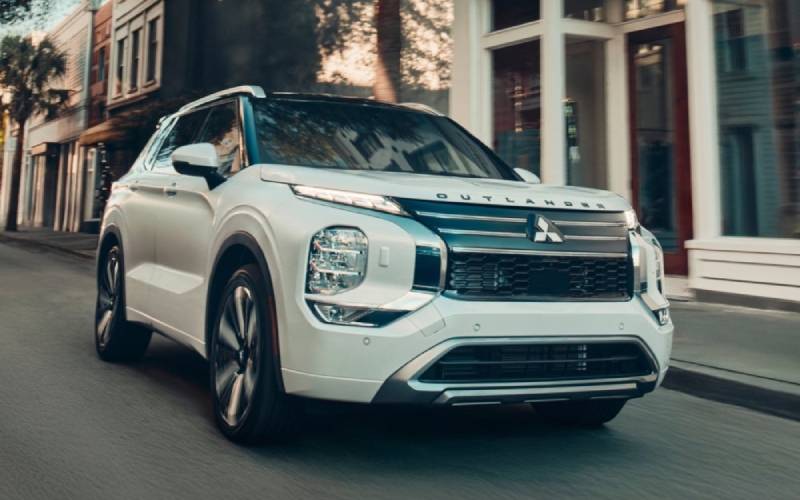
Peruzzi Mitsubishi – Which SUV has the better all-weather traction for daily driving around Philadelphia, PA — the 2026 Mitsubishi Outlander or 2026 Kia Sorento?
What shoppers want to know about traction and everyday confidence
Ask local SUV shoppers what matters most on their weekday routes and you’ll hear a consistent theme: predictable traction when conditions are mixed and traffic is busy. That’s exactly why we’re unpacking the 2026 Mitsubishi Outlander and 2026 Kia Sorento systems through the lens of real-world use around Philadelphia, PA. On paper, both offer advanced drivetrains, driver-assistance features, and a smart slate of drive modes. In practice, the tuning philosophy and user-friendly details can shape the confidence you feel every time you merge, pass, or edge into a tight parking space. If your search is “which SUV has better all-weather traction for daily life,” you’re already asking the right question.
Outlander’s available Super All-Wheel Control (S-AWC) is the standout difference. Rather than simply sending power to the rear when the front wheels slip, S-AWC manages torque and braking at each wheel to maintain stability and control across multiple surfaces. With selectable modes like Tarmac, Gravel, Snow, Normal, and Eco—plus Mud on specific S-AWC trims—drivers can tailor responses to what they see through the windshield. It’s a system born from Mitsubishi’s decades of traction engineering, and it shows up in small but important ways: smoother pullaways on wet paint stripes, calmer behavior on broken pavement, and reassuring stability as you arc onto short on-ramps.
How does Sorento’s AWD with Terrain Mode compare day to day?
Kia’s approach is also competent. Sorento’s available AWD with Terrain Mode adds Snow, Mud, and Sand settings, helping to optimize traction for common low-grip surfaces. It’s responsive, and when paired with modern driver assistance, the package can be quite capable. But on rain-soaked city streets, crowned back roads, or patchwork asphalt, the Outlander’s S-AWC fine-tuning often feels more composed. The nuance here isn’t about raw power—it’s about how naturally the vehicle manages changing traction so you can relax and focus on traffic around you.
It’s worth noting how technology supports the traction story. Outlander’s available 360° Multi-View Camera System makes threading into narrow street parking less stressful, and the available 10.8-inch Head-Up Display helps keep key data in your forward line of sight. Standard Wireless Apple CarPlay® and Wireless Android Auto™ ensure you don’t fumble with cables in the rain. The available Dynamic Sound Yamaha® Ultimate audio system adds thoughtful touches like Rain Compensated Volume that keeps your music consistent while the wipers work—one more way Mitsubishi sweats the ownership details.
What about family practicality when the weather turns?
Traction systems matter, but so do small conveniences that make life easier when it’s damp or blustery. Outlander’s available kick-motion sensor for the power liftgate is incredibly helpful when your hands are full of groceries, sports bags, or umbrellas. Standard 7-passenger seating and the versatile 40:20:40 second row deliver layout flexibility for errands and weekend plans. Both SUVs offer ample safety tech, but Outlander also brings 11 airbags and helpful features like Tire Fill Notification, a stress-saver when temperature swings trigger low-pressure alerts overnight.
Sorento counters with an available Surround View Monitor, Blind-Spot View Monitor, and Highway Driving Assist 2. Those are valuable on the highway and in dense traffic, and they’re a credit to Kia’s strong safety focus. For many owners, the choice comes down to which SUV nails the most moments in a typical day: navigating slick side streets, inching into tight urban spaces, and hopping across bridges when a quick storm rolls through. On that score, Outlander’s underlying traction logic and thoughtful ergonomics give it the edge.
Owner-oriented advantages you’ll notice all year
Mitsubishi doesn’t stop with drivetrain tuning. America’s Best-Backed Vehicles coverage includes a 10-year/100,000-mile Powertrain Limited Warranty plus 2-Year/30,000-Mile Limited Maintenance. That additional maintenance coverage is a meaningful differentiator in the all-in cost of ownership. Inside, standard Wireless Apple CarPlay®/Android Auto™ reduces clutter, and the available Dynamic Sound Yamaha® Premium or Ultimate systems offer serious acoustic engineering—tuned by Yamaha® Sound Meisters—to keep the cabin calm and engaging even as the world outside gets messy. Add details like available power folding mirrors and headlight washers, and the everyday polish is unmistakable.
- Traction tuning that inspires confidence: S-AWC manages torque and braking across all four corners for poised, predictable grip on wet or broken pavement.
- Driver-focused technology: Available 10.8-inch Head-Up Display and 360° Multi-View Camera System make complex traffic and tight parking simpler.
- Conveniences that matter in foul weather: Available kick-motion sensor liftgate and Rain Compensated Volume in the Yamaha® audio keep your routine smooth.
Of course, a test drive is the best way to feel the difference. One spin through mixed city streets and a short highway loop typically reveals how natural and settled the Outlander feels when surfaces change quickly. That’s the hallmark of a traction system engineered for the real world, not just the spec sheet.
Frequently Asked Questions:
Does S-AWC make a difference if I mostly drive on paved roads?
Yes. S-AWC’s value shows up on everyday surfaces—wet manhole covers, paint stripes, uneven patches, and crowned roads—where subtle grip changes can unsettle vehicles without finely tuned control systems.
Can the Sorento’s AWD with Terrain Mode handle snow and slush?
It can. Sorento’s Snow setting is useful, and its broader assist suite is effective. The difference is how Outlander’s S-AWC seamlessly balances torque and braking to keep the vehicle composed as conditions vary corner to corner.
Is there a real-world benefit to Outlander’s Yamaha® audio features in bad weather?
Absolutely. The system’s Rain Compensated Volume adjusts for wiper noise, while Speed Compensated Volume maintains clarity as road and wind noise fluctuate—small touches that reduce fatigue on longer drives.
If you’re comparing these two SUVs with an eye toward traction and confidence in the rain or slush, the Outlander’s S-AWC and driver-centric details tilt the verdict. Visit a trusted resource to feel it firsthand—Peruzzi Mitsubishi is here to help you sort features and trims in a low-pressure, informative way, serving Philadelphia, Trenton, and Cherry Hill with expertise you can count on.
Request more 2026 Mitsubishi Outlander information
Connect with us


